Intelligence Assessment // The 25-Year Audit

Pakistan's Counter Terrorism Operations Since GWOT (2001-2026)

A Quarter Century of Strategic Friction

Pakistan Counter-Terror Operations - A Clinical Audit of 25-Years

The evolution of Pakistan’s counter-terrorism landscape since the inception of the Global War on Terror (GWOT) is not merely a chronological sequence of kinetic engagements; it is a profound narrative of institutional adaptation and cognitive shift. For CommandEleven, this journey began in earnest in 2007, a pivotal year that saw the domestic security paradigm shift from peripheral skirmishes to an existential struggle for the state’s internal cohesion.

Our role over the past two decades has been defined by a dual-spectrum commitment. Kinetically, we have maintained a presence at the intersection of observation and tactical reality, analyzing the nuances of asymmetric warfare as they unfolded in the valleys of Swat and the rugged terrain of the former FATA. Cognitively, however, is where our most critical work has transpired. We recognized early on that the physical clearance of territory is a hollow victory without the subsequent dismantling of the extremist infrastructure that resides within the human psyche and the digital landscape.

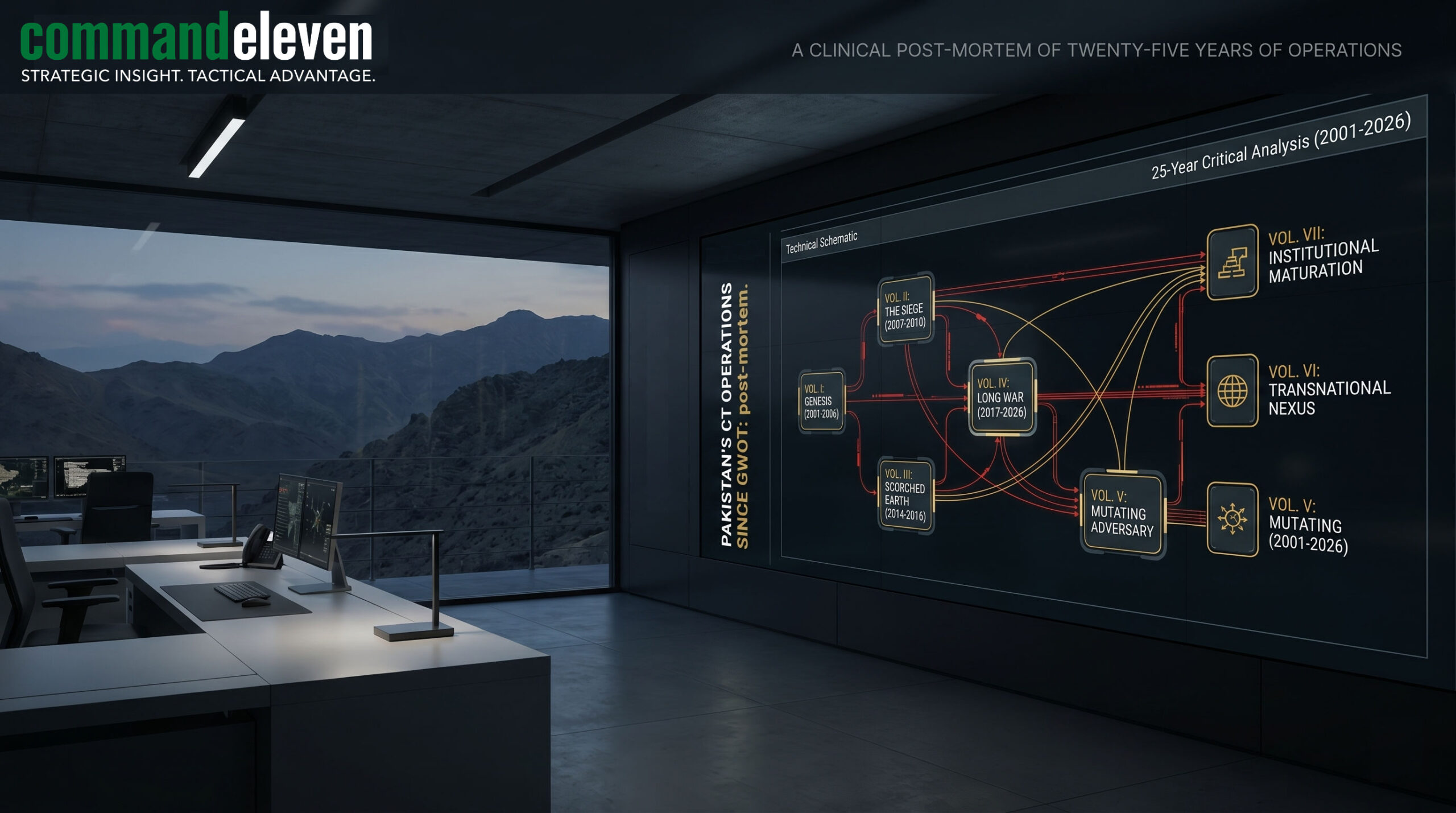
This seven-volume critical analysis serves as a clinical post-mortem of twenty-five years of operations. It is born from a corporate ethos that rejects the “fluff” of traditional geopolitical commentary in favor of hard-target intelligence and uncompromising scrutiny. We examine not just the successes of the military’s “Clear-Hold-Build” strategy, but the systemic gaps in “Transfer” and “Counter-Radicalization” that have allowed threats to persist and evolve.

As the Executive Director of an organization that has lived through this timeline, I view this work as more than an academic exercise. It is a necessary confrontation with our past to secure a viable strategic future. We have moved beyond the initial reactivity of 2007, and this analysis reflects our transition into a proactive intelligence entity capable of dissecting the transnational threads that continue to challenge regional stability.

What follows is an unvarnished assessment of a nation at war with an invisible and ever-morphing enemy. It is the definitive record of our role in that struggle and our contribution to the cognitive armor required to survive it.

Foreward

Between 1989 and 2001, the Pakistani state apparatus operated under a fatal strategic assumption: that highly trained, ideologically motivated proxy networks could be perpetually managed and directed outward without eventually compromising the state’s internal sovereignty. When the Global War on Terror forced an immediate strategic reversal, the state found itself fighting a domestic, asymmetric insurgency using a military engineered exclusively for conventional, mechanized warfare against India.

Volume I: The Pre-9/11 Baseline & Initial Shocks

An examination of the regional security posture prior to 2001 and the subsequent institutional destabilization following the commencement of the Global War on Terror.

Volume II: Escalation & Conventional Sweeps

Analyzing the transition from border containment to large-scale conventional military operations and the resulting escalation of domestic insurgent activity.

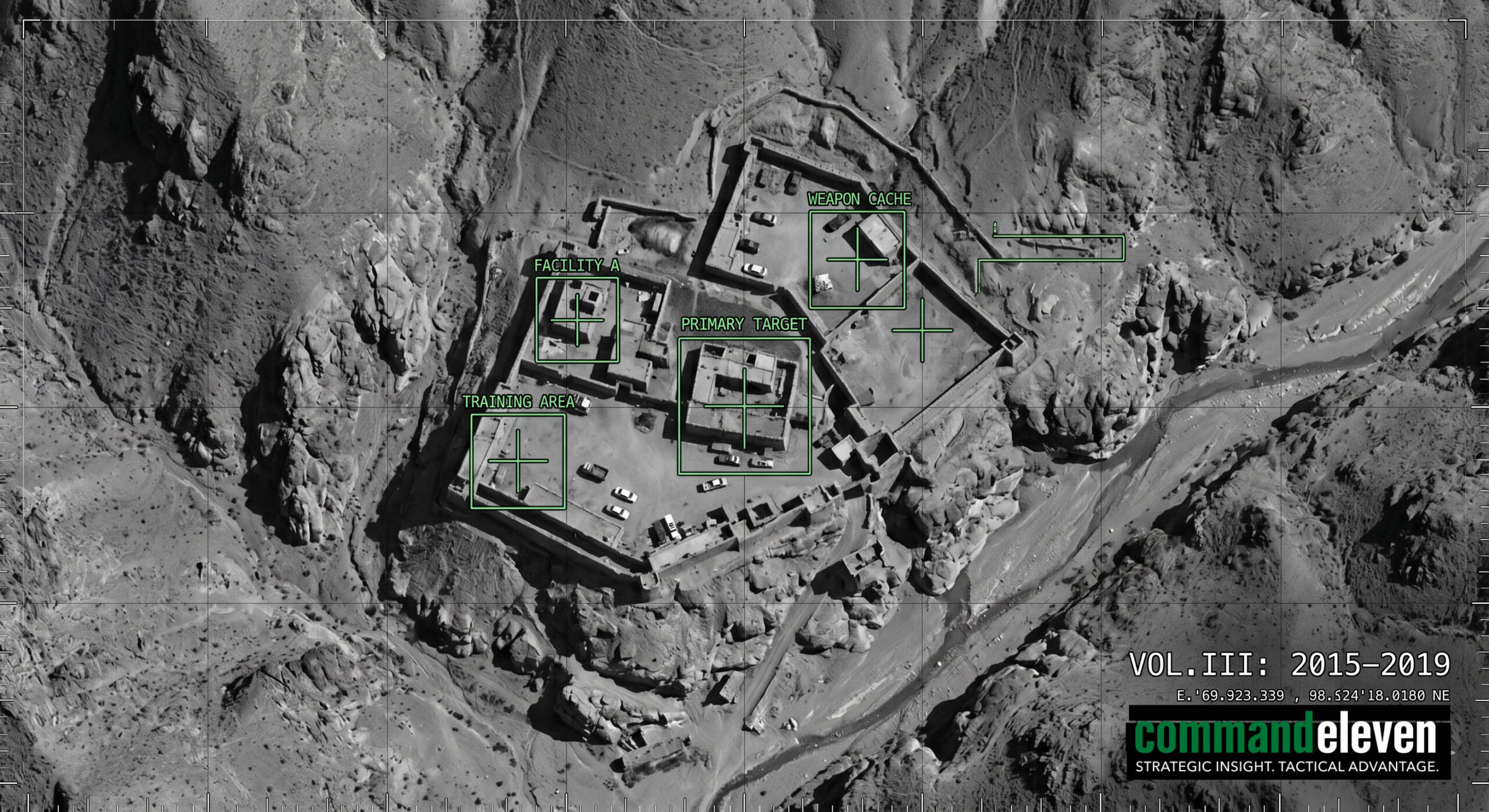
Volume III: The Waziristan Paradox & Kinetic Clearance

A technical review of kinetic operations in the tribal belt, evaluating the effectiveness of clearance strategies against resilient non-state actor infrastructure.

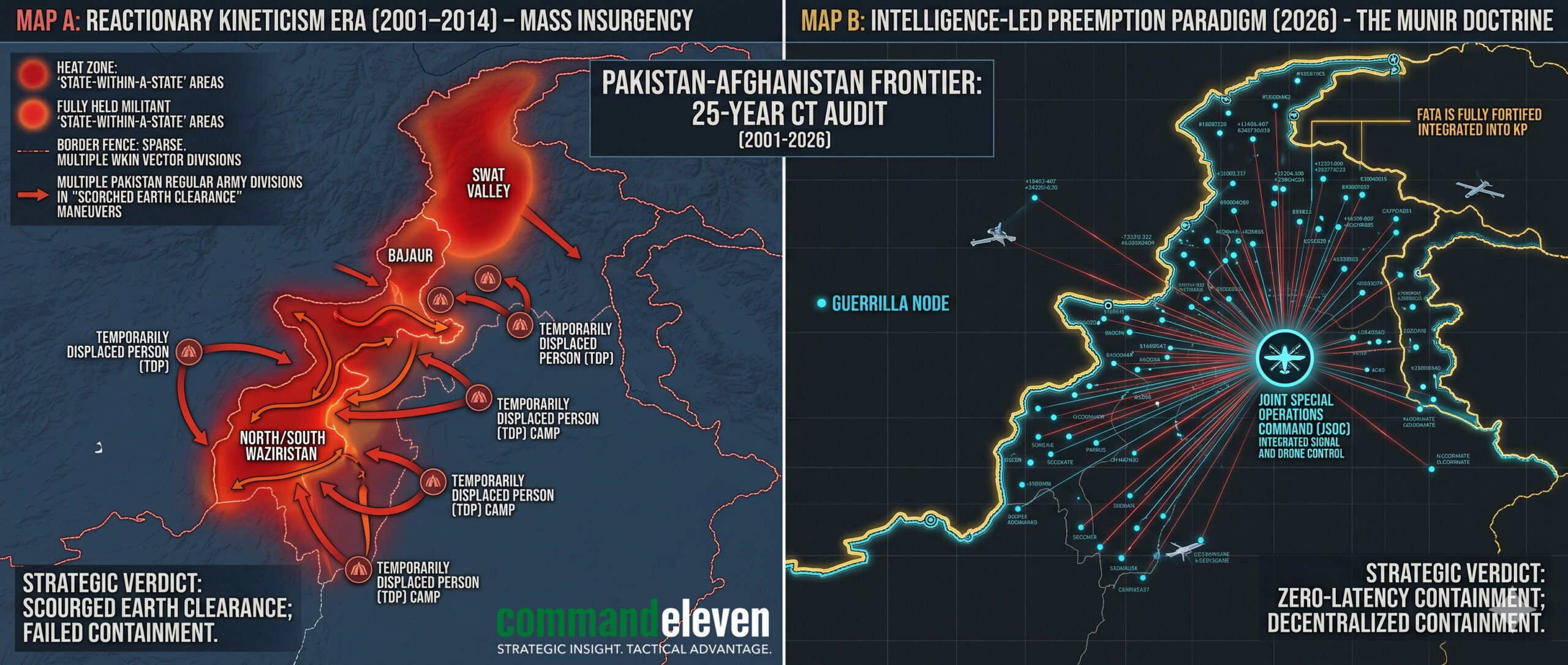
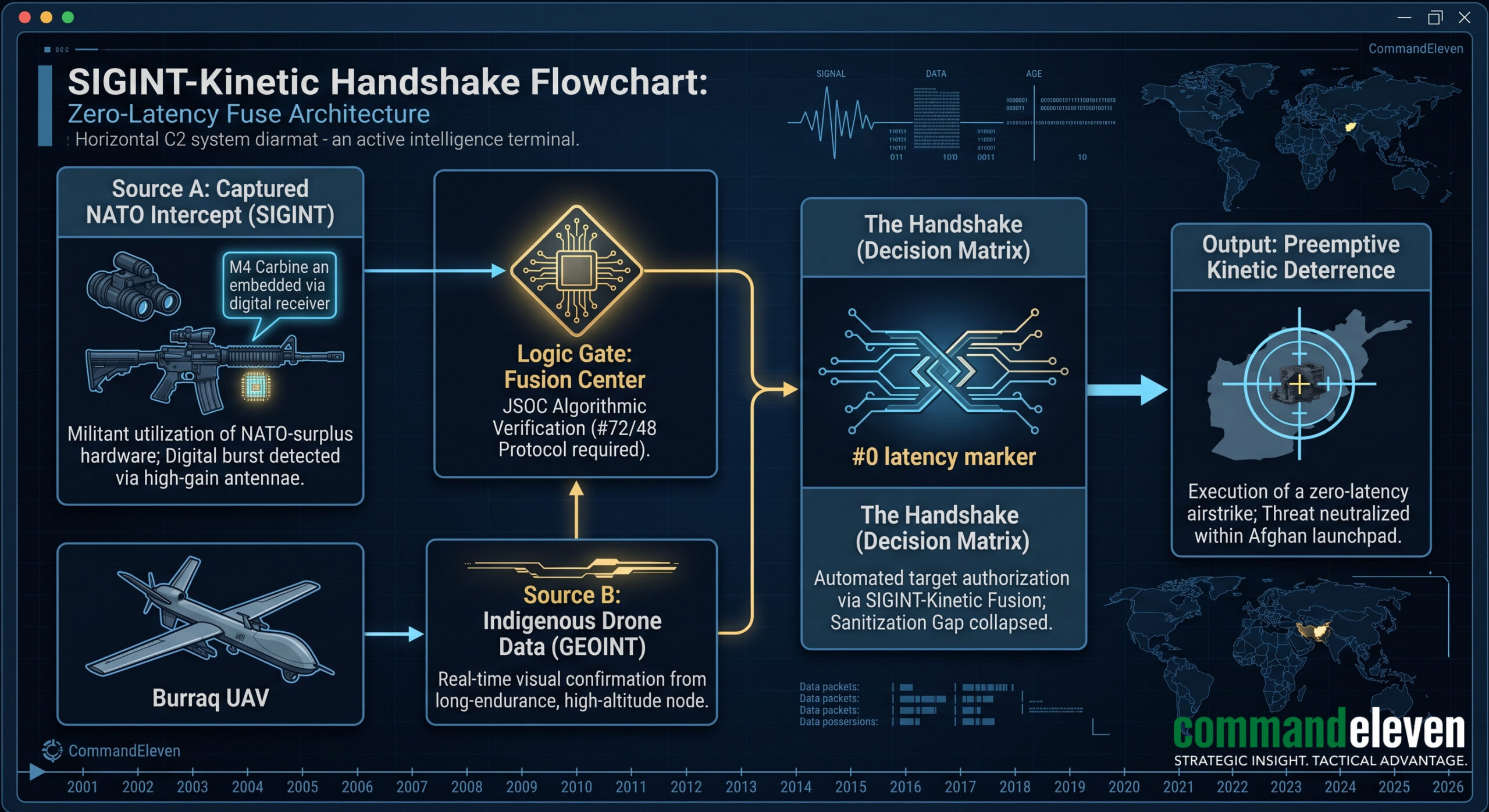
Volume IV: Intelligence-Led COIN & Long-War Strategies

Assessment of the shift toward intelligence-based operations (IBOs) and the integration of decentralized strike doctrines into long-term counter-insurgency (COIN) frameworks.

Volume V: Evolution of the Threat Landscape

Tracking the morphological changes within militant groups, including the professionalization of tactical output and the decentralization of command structures.

Volume VI: The Transnational Nexus & Madrassa Pipeline

Dissecting the cross-border logistics and the ideological infrastructure supporting the extremist recruitment and training pipeline.

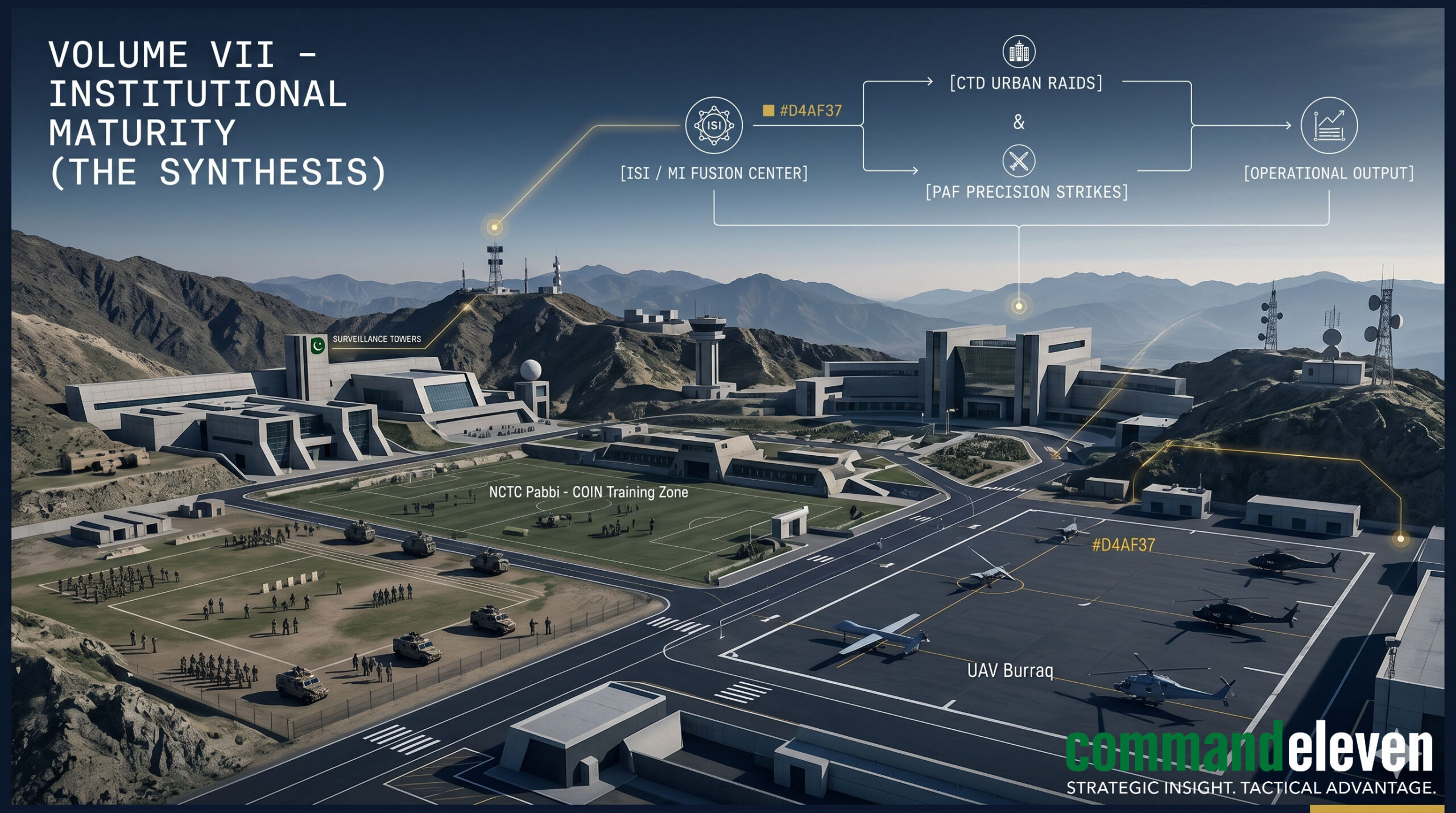
Volume VII: Institutional Maturity

Volume VII audits the definitive transition from conventional military response to a high-fidelity, intelligence-led state. It documents the institutionalization of the “Long War” doctrine, characterizing the final shift from reactive border defense to preemptive cross-border deterrence.

Appendix A: Operational Briefs & Target Data Logs

A consolidated database of civilian, military, and political engagements, providing the raw metrics used throughout the analysis.

Appendix B: Human & Macro-Economic Cost Assessment

A rigorous evaluation of the conflict’s impact on national infrastructure and the long-term economic burden of sustained counter-terrorism mobilization.

Appendix C: Strategic Glossary & Entity Profiles

Definitions of operational terminology and detailed dossiers on regional actors identified during the 25-year audit.