BLUF: Volume III — Total War & The Proxy Pivot
BLUF: Volume III examines the shift from localized containment to a non-discriminatory Eradication Mandate. This era is defined by the Waziristan Paradox—where the region functioned as a self-sustaining tactical epicenter—and the military’s eventual realization that kinetic success is unsustainable without Hard Border Management.
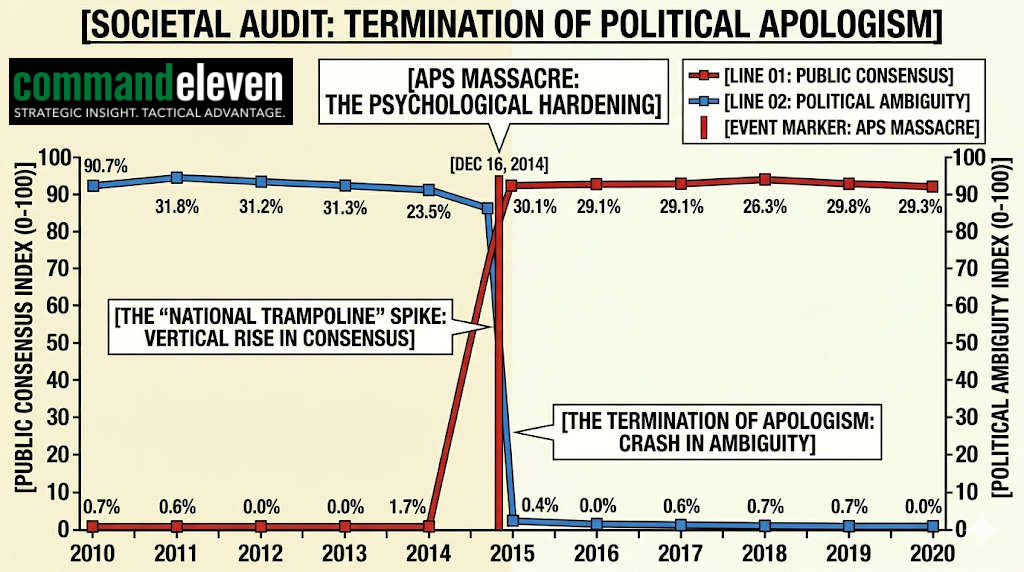
- Core Assessment: The 2014–2016 period represents the final abandonment of political appeasement. The APS Massacre served as the National Trampoline, erasing the “Good Taliban/Bad Taliban” narrative and providing the moral mandate for Operation Zarb-e-Azb.
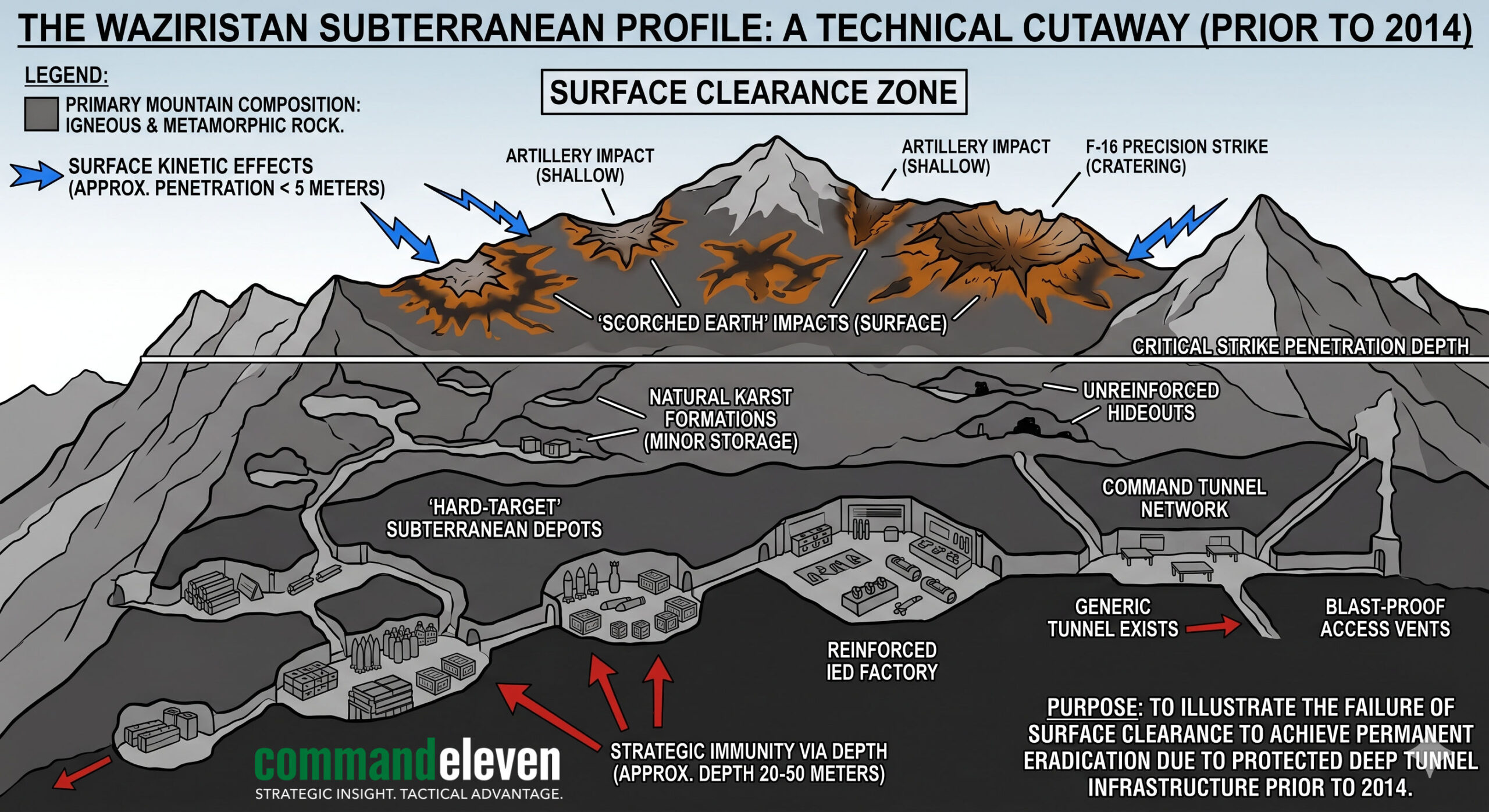
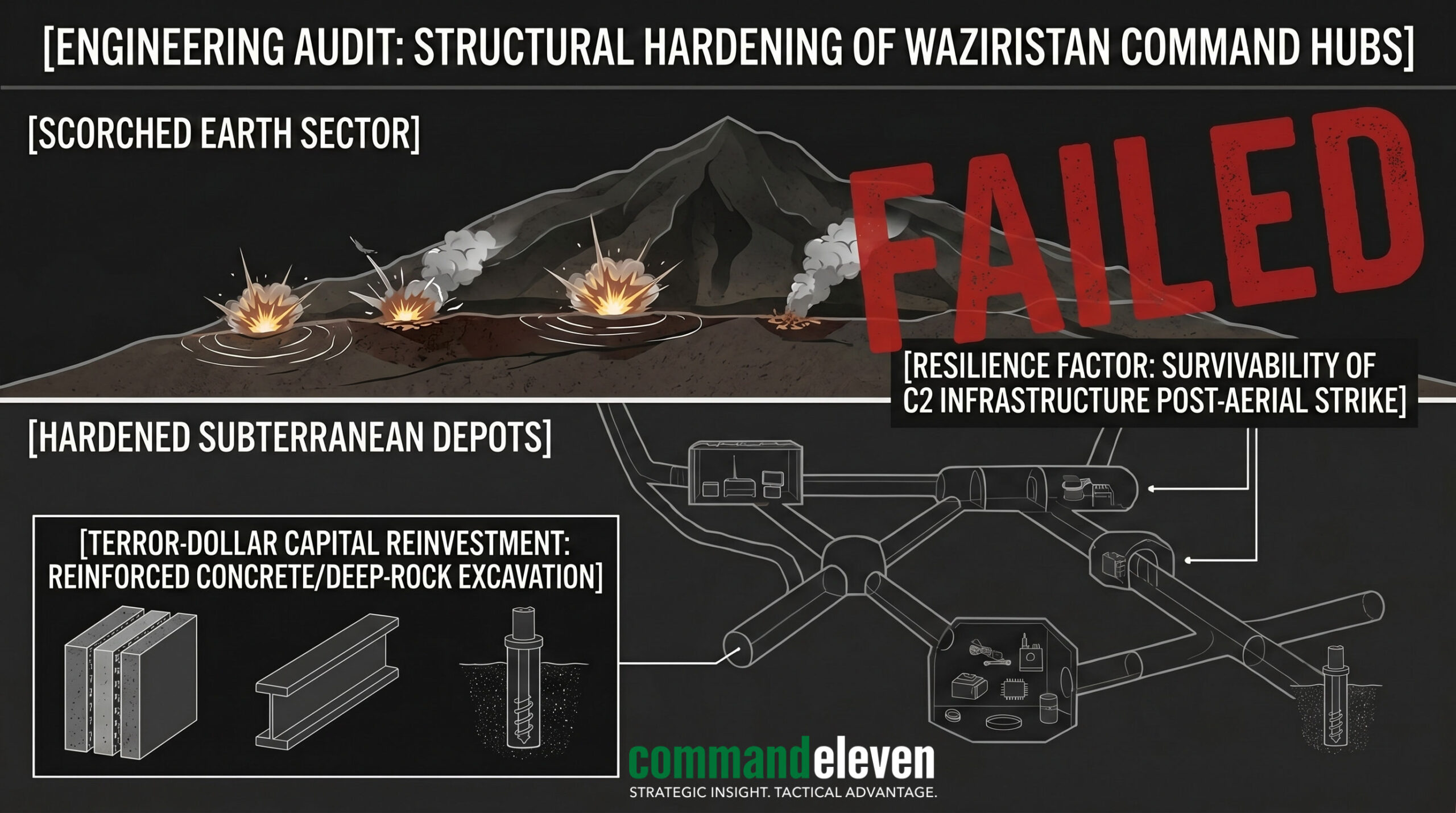
- The Waziristan Paradox: Analysis reveals Waziristan was not a mere hideout but a Fortified Staging Ground. Resilience was maintained through subterranean hardening, the Weaponization of Pashtunwali, and a Terror-Dollar Economy that neutralized localized intelligence.
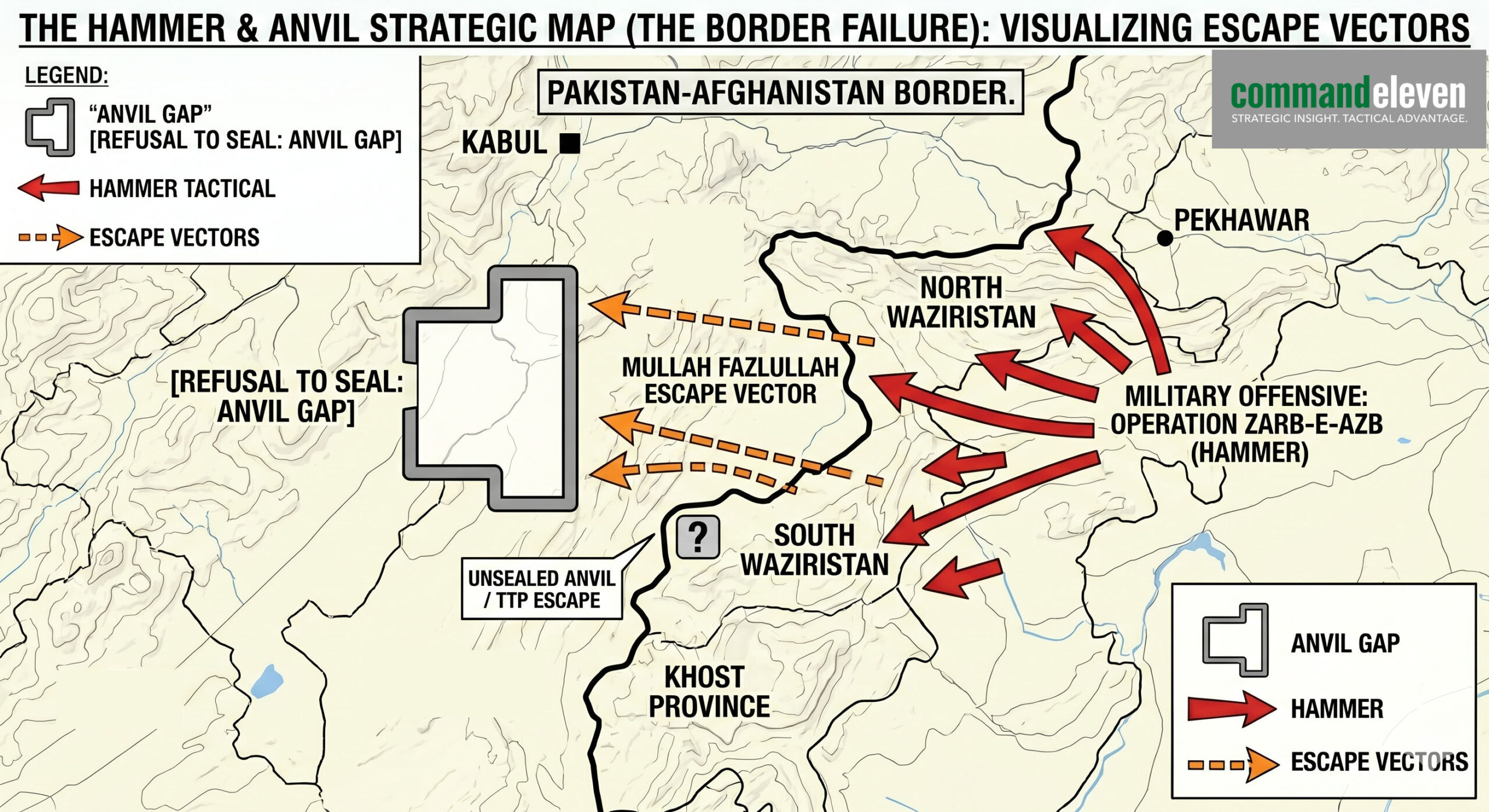
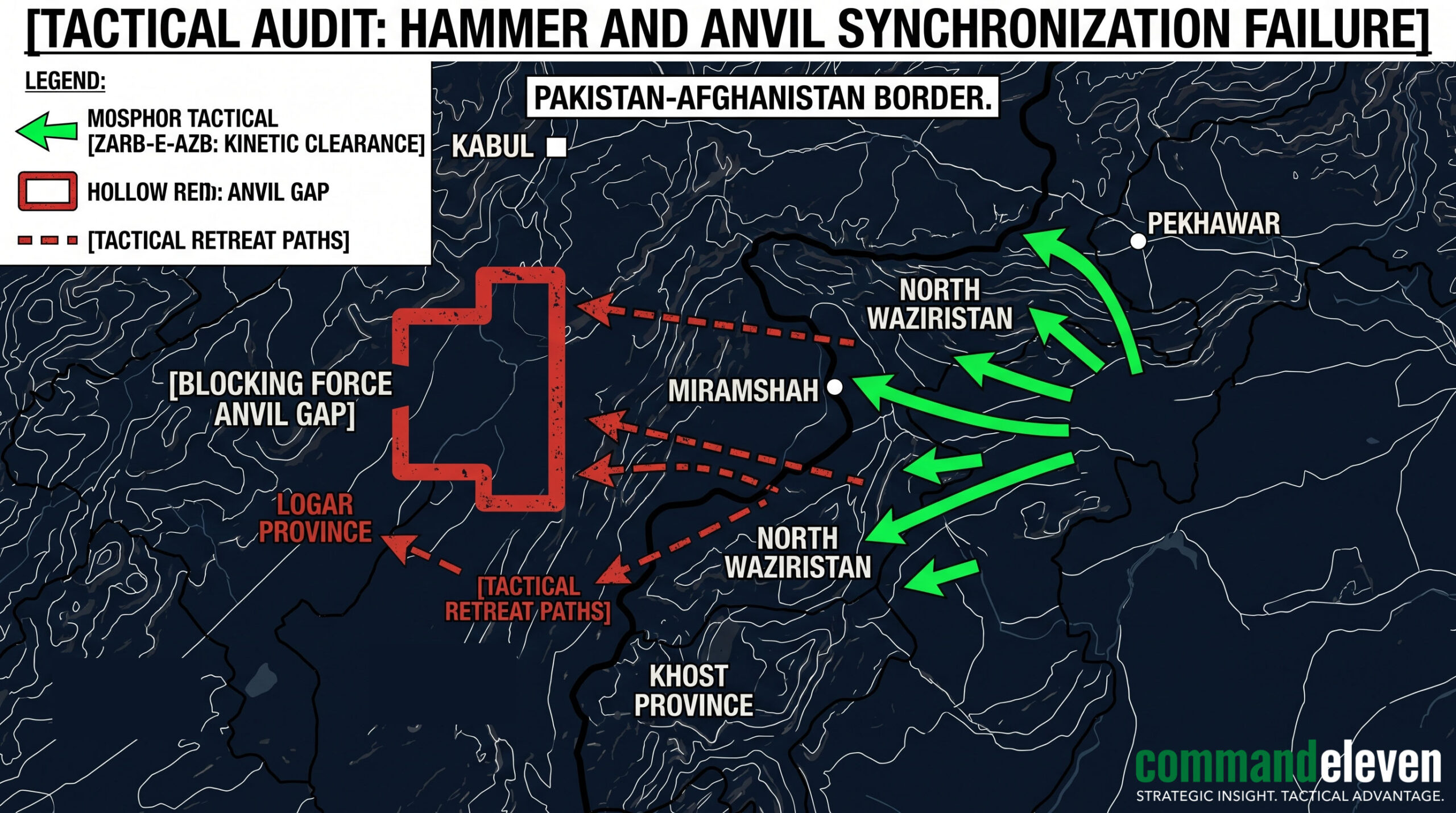
- Strategic Failure (The Anvil Gap): The refusal of US/NATO and Afghan forces to seal the Pakistan-Afghanistan border transformed a potential eradication into a displacement. Zarb-e-Azb acted as a “Hammer” without an “Anvil,” pushing TTP leadership into NDS-sponsored safe havens in Afghanistan.
- The Border Realization: This era proved that domestic kinetic success is unsustainable without Hard Border Management, directly triggering the national border fencing project.
The Waziristan Paradox: The Hardened Battle Center
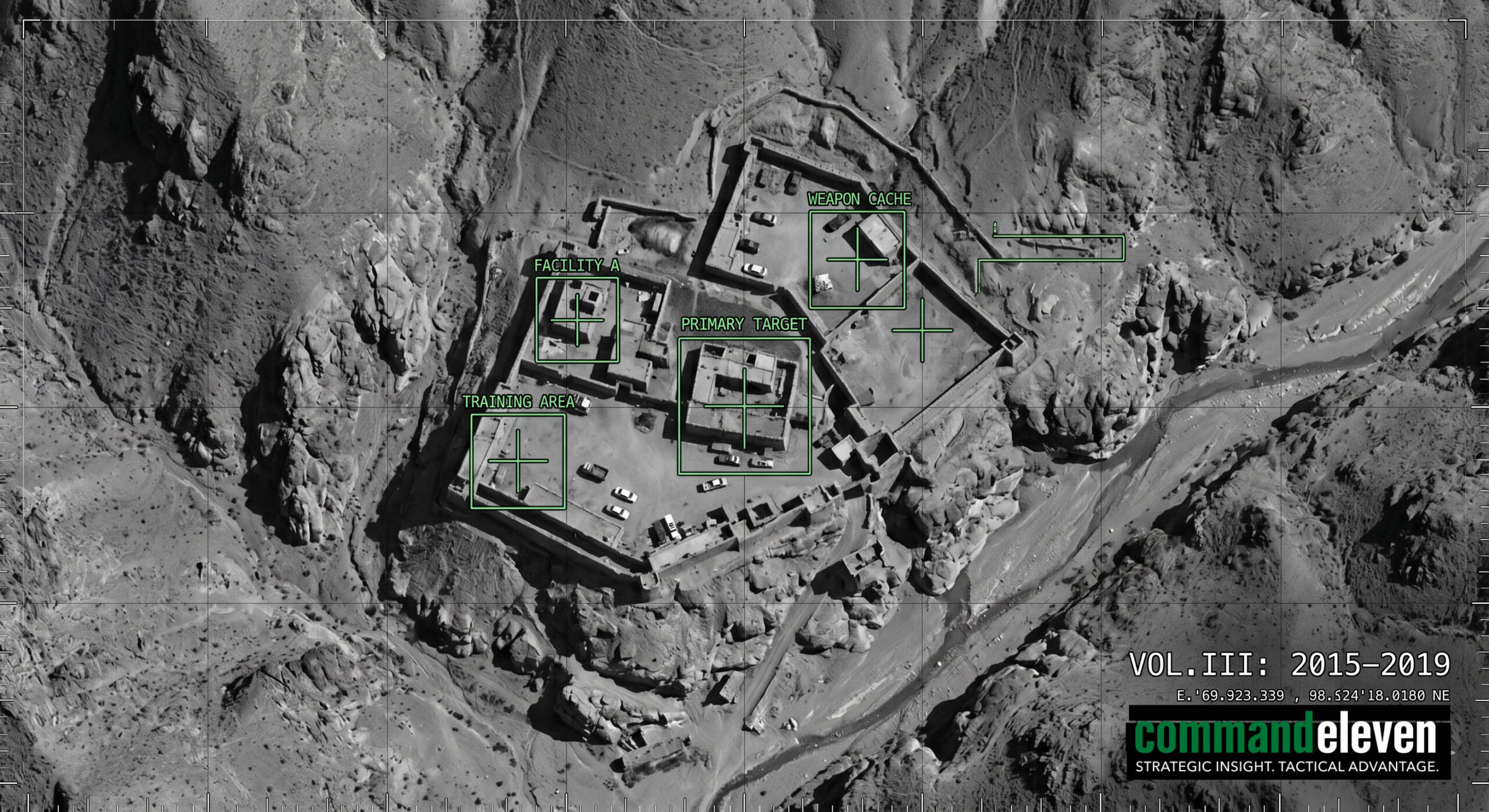
Before the 2014 escalation, North and South Waziristan evolved into impregnable command-and-control hubs. Despite multiple prior clearance operations, the region remained the insurgency’s strategic anchor.
- The Staging Ground: Waziristan was not a defensive retreat but a fortified staging area. Militants used its vertical terrain to launch sustained offensives into neighboring agencies, retreating into the Waziristan sanctuary to resupply and re-strategize.
- Subterranean Hardening: Over a decade, terror networks transformed the region into a maze of subterranean depots, hardened IED factories, and logistical safe havens that were resilient against conventional aerial reconnaissance.
The Catalyst: APS Peshawar (December 2014)
The December 16, 2014, attack on the Army Public School (APS) in Peshawar acted as the definitive Cognitive Pivot for the state.
- The End of Distinction: The brutality of the attack terminated the state’s internal debate regarding “Good” vs “Bad” militants. It forged a national consensus for Operation Zarb-e-Azb, authorizing a “scorched earth” policy in North Waziristan.
- Total Mobilization: The state activated the National Action Plan (NAP), theoretically aligning kinetic operations with a broader audit of radicalization pipelines.
The Geopolitical Friction: The NDS, the US, and the “Strategic Depth” Reversal
While Pakistan prepared to launch Operation Zarb-e-Azb to clear the Waziristan paradox, the geopolitical environment across the Durand Line actively worked against the military’s objectives. The conflict was no longer just an internal insurgency; it was fueled by state-sponsored proxy dynamics from Kabul.
- The US Refusal to Seal the Border: During the planning and execution phases of Zarb-e-Azb, a massive US and NATO military footprint was still firmly established in Afghanistan. Foreseeing that the kinetic push would force militants to flee westward, Pakistan’s military formally requested the US military and Afghan forces to seal the Afghan border to prevent terrorists from finding safe haven. This request was controversially refused, allowing top TTP commanders, including Mullah Fazlullah, to effortlessly slip across the border.
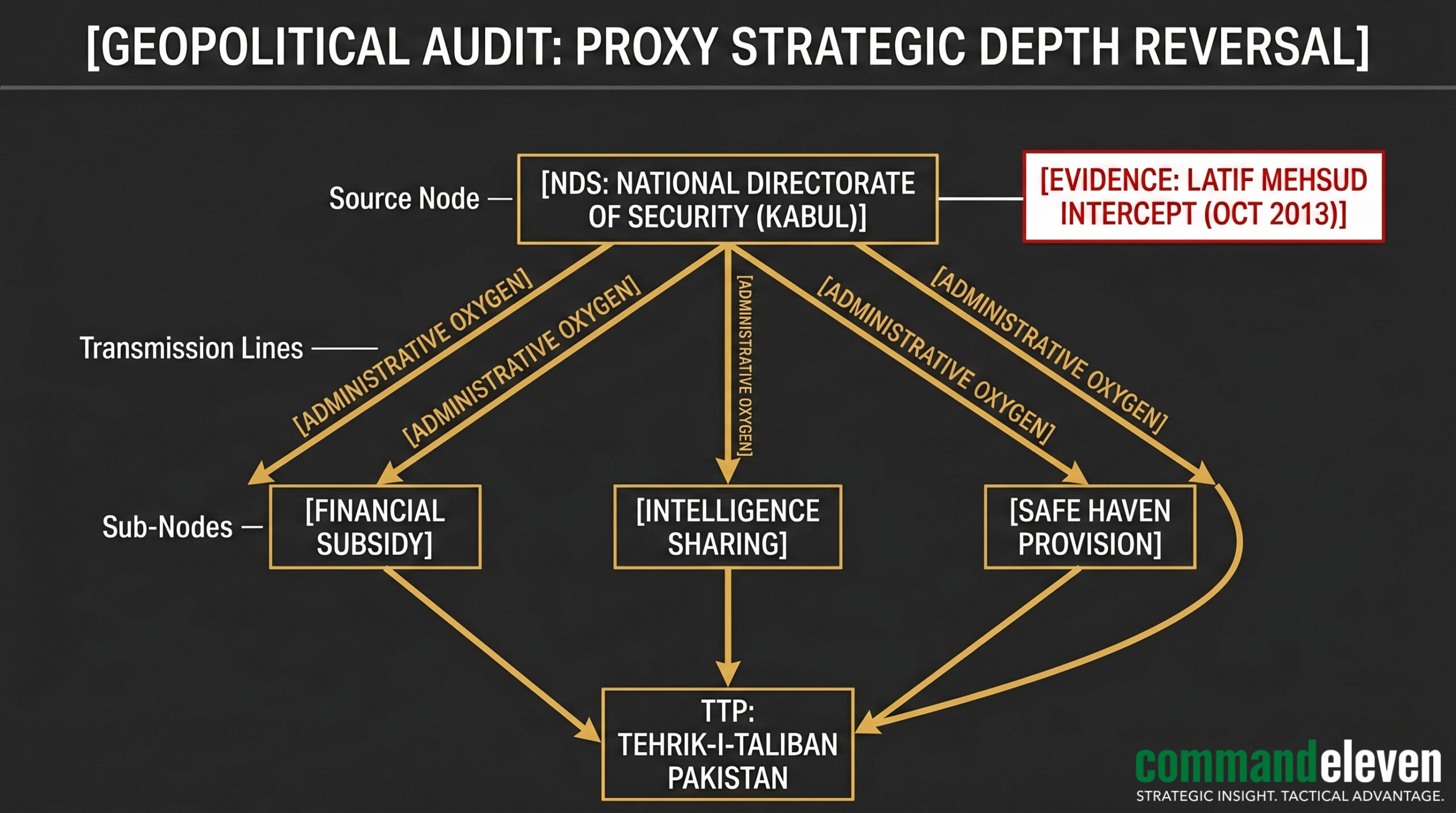
- The NDS Proxy War & “Strategic Depth” Reversal: As the operation commenced, a deeply troubling dynamic was formally uncovered by the US military. Afghanistan’s intelligence service, the National Directorate of Security (NDS), under the government of Hamid Karzai, was actively cultivating, funding, and utilizing the TTP as a proxy force against Pakistan. In a stark reversal of Pakistan’s 1990s doctrine, the NDS was now using the TTP for its own “strategic depth” to force Islamabad’s hand.
- The Latif Mehsud Capture: The blatant nature of this proxy relationship was exposed when US Special Forces intercepted an NDS transport convoy in late 2013. Inside the convoy was Latif Mehsud, a senior TTP leader and deputy to Hakeemullah Mehsud, who was being escorted by Afghan intelligence. Despite the US military’s capture of Mehsud and their insistence that Kabul cease harboring the TTP—details of which were heavily documented by The New York Times and The Washington Post—the practice continued.
- The Souring of Relations: This revelation led to a severe and immediate souring of relations. The Pakistani military recognized that it was not only fighting entrenched terror networks in Waziristan but also combatting an active proxy war subsidized by the intelligence apparatus of a neighboring state.
Operation Zarb-e-Azb: The Hammer (2014–2016)
Operation Zarb-e-Azb (Strike of the Prophet’s Sword) represented the peak of Reactionary Kineticism.
- The Scale: The military executed a non-discriminatory clearance of North Waziristan, involving the mass displacement of over one million civilians to strip the insurgency of its human shield.
- Aerial Softening: Utilizing F-16s and indigenous drones, the military conducted intense softening campaigns to destroy deeply buried, hardened IED depots and logistical hubs in Miramshah and Mir Ali.
Success Points and the Anvil Failure
- Success: The operation dismantled the TTP’s surface-level command structure, resulting in a 70% nationwide drop in terrorist attacks by 2016.
- The Anvil Failure: Due to the lack of coordination with international and Afghan forces across the border, the TTP leadership was not neutralized but “squeezed” out. They escaped through the Anvil Gap into Afghanistan, where they were absorbed by the NDS-backed sanctuary reservoir.
Clinical Conclusion
Volume III proves that domestic clearance is futile without Hard Border Management. The “hammer” of Zarb-e-Azb was effective at breaking the surface structure, but the absence of a border “anvil” allowed the insurgency to relocate and refit. This hard lesson directly triggered the multi-billion rupee Pak-Afghan border fencing project, marking the end of the porous frontier era.