BLUF: The resilience of the Waziristan Paradox was sustained by a foreign-subsidized Terror-Dollar Economy. By flooding the tribal belt with high-value US currency, transnational actors—primarily Al-Qaeda and the IMU—successfully purchased the logistical cooperation and absolute silence of local power structures. This financial leverage rendered state HUMINT nearly impossible and established a shadow economy that competed directly with the state’s developmental footprint.
The Mechanics of the Terror-Dollar
Foreign Influx and Currency Advantage
Arab Al-Qaeda operatives and Central Asian cadres utilized deep financial reserves to maintain their presence in the tribal agencies.
- Hard Currency Infiltration: Continuous, large-scale payments were made exclusively in US dollars. Within the marginalized frontier economy, the dollar held significantly higher purchasing power and stability than the local currency.
- The Subsidy of Residency: Foreign fighters secured prolonged residency by paying exorbitant “protection fees” or “rent” to tribal households. These payments often exceeded the annual agricultural income of an entire village, creating an immediate economic incentive to harbor militants.
The Corruption of Local Governance
The influx of capital effectively neutralized the traditional tribal leadership (Maliks) and the state’s administrative influence.
- Mercenary Loyalty: Local power brokers transitioned from state mediators to logistical facilitators for foreign networks. The Terror-Dollar became the primary mechanism for bypassing state regulations and facilitating unregulated transit.
- Shadow Utility: Militants used these funds to provide localized shadow utilities, further eroding the state’s Administrative Persistence.
Strategic Impact: The Wall of Silence
The primary casualty of the terror-dollar economy was the state’s HUMINT capability.
- Incentivized Non-Cooperation: When the economic benefits of harboring militants far outweighed the rewards or safety offered by state cooperation, intelligence-gathering became “nearly impossible.”
- Tribal Sequestration: The influx of capital allowed militants to isolate entire valleys from state influence, creating Sovereignty Vacuums that were impenetrable to both physical and cognitive state messaging.
Structural Hardening
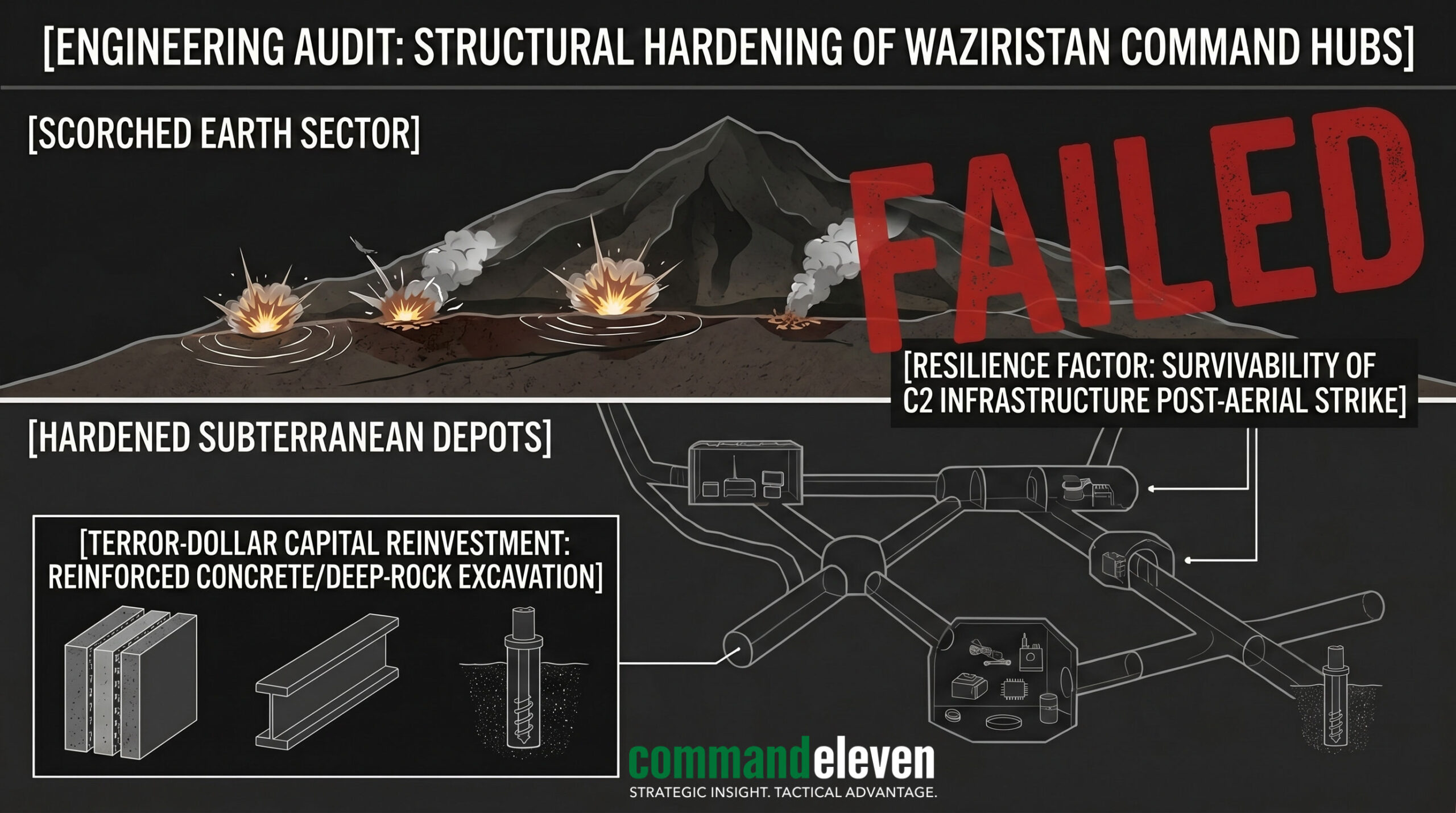
Capital was reinvested into the physical infrastructure of the insurgency to ensure long-term resilience.
- Logistical Depots: Funding was utilized to engineer extensive subterranean tunnel networks, bomb-making factories, and fortified arms depots deep within mountain rock.
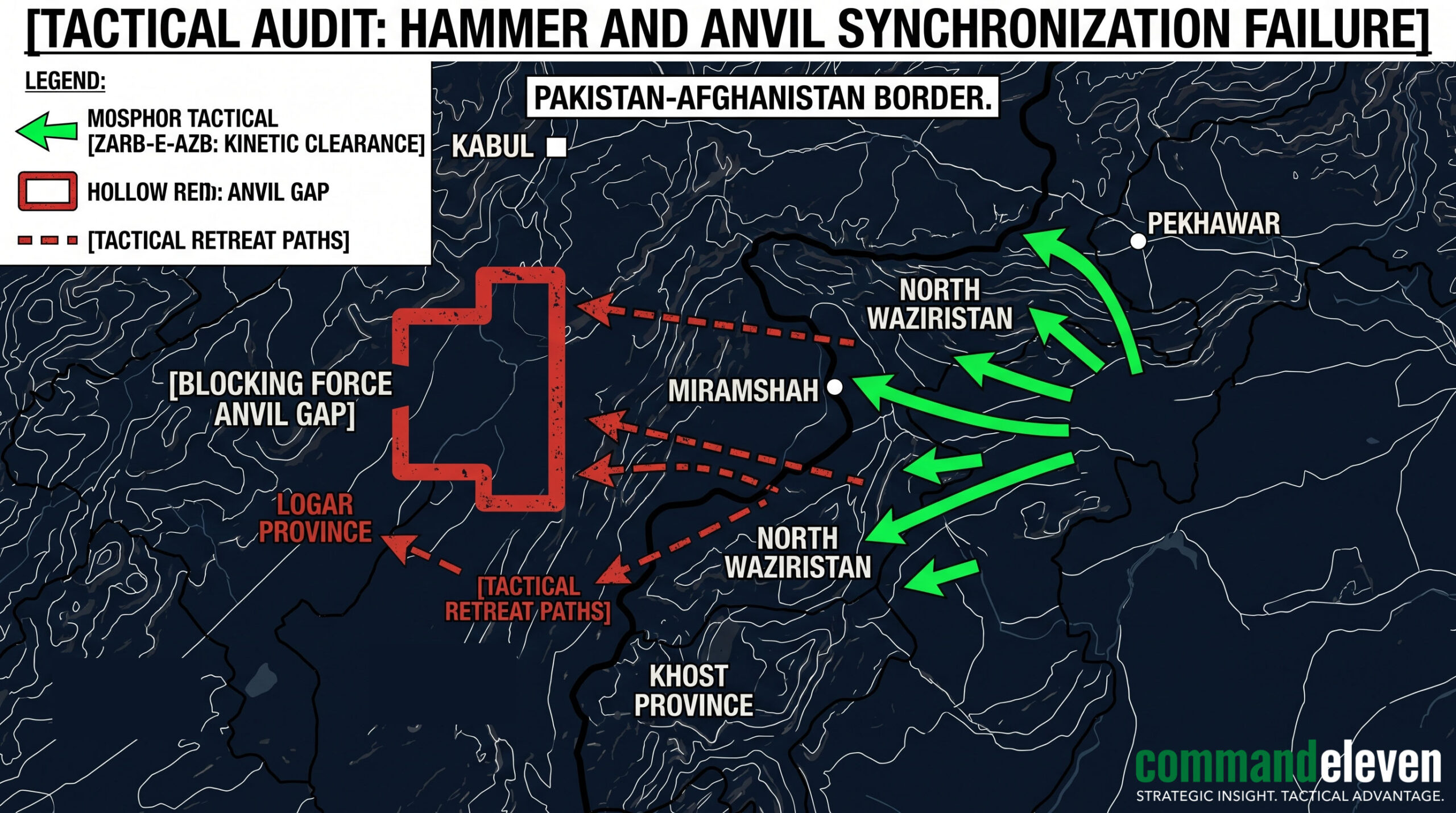
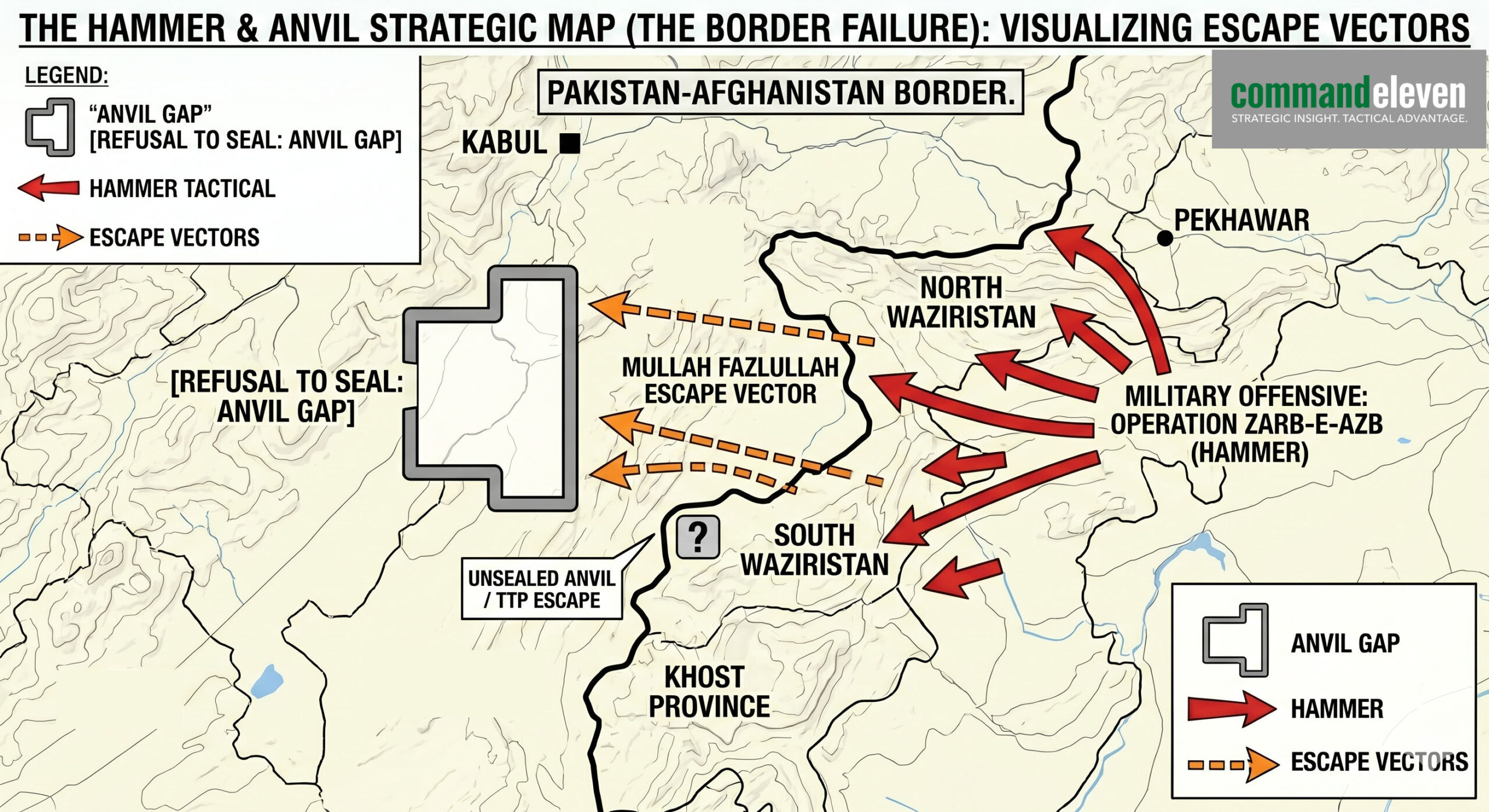
- Survival Capacity: These hard-target facilities were designed to survive surface-level kinetic impacts, ensuring that insurgent infrastructure persisted even during the Scorched Earth Phase of Zarb-e-Azb.
Clinical Conclusion
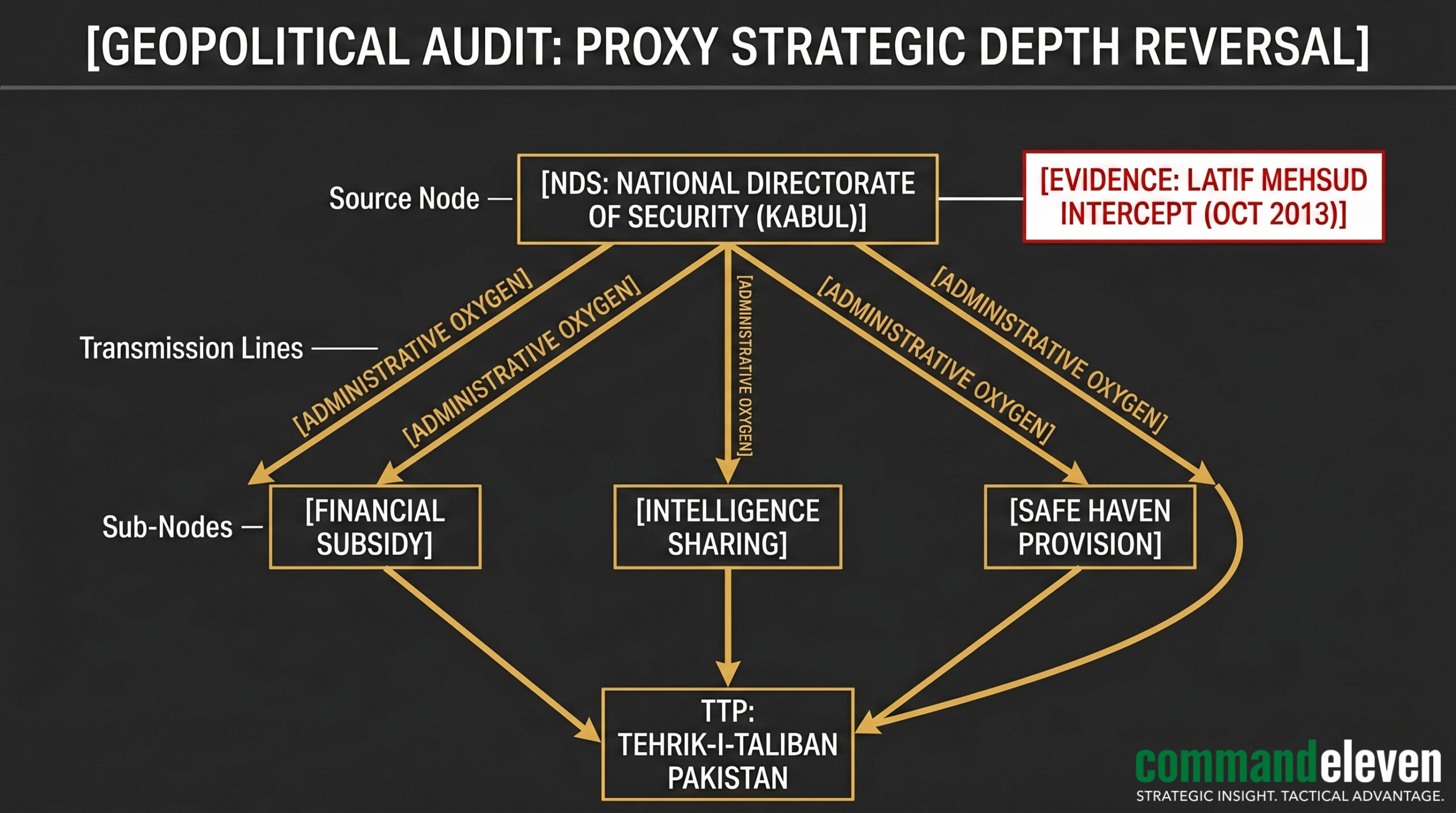
The terror-dollar economy acted as the Administrative Oxygen for the Waziristan sanctuary. It transformed a traditional tribal society into a mercenary logistical hub where loyalty was a commodity purchased by transnational actors. For the state, the lesson was clear: kinetic clearance could destroy the tunnels, but only the total dismantling of the insurgent financial network and the restoration of state-led economic persistence could permanently break the silence of the tribal belt.