
OPERATIONAL ARCHITECTURE // DIVISION // INTEL
INTELLIGENCE DIVISION //
Home » Services » Intelligence Analysis » Intel Division – Operational Architecture
MANDATE //
The systematic harvesting and synthesis of ground-truth data to eliminate strategic ambiguity.
HUMINT Management //
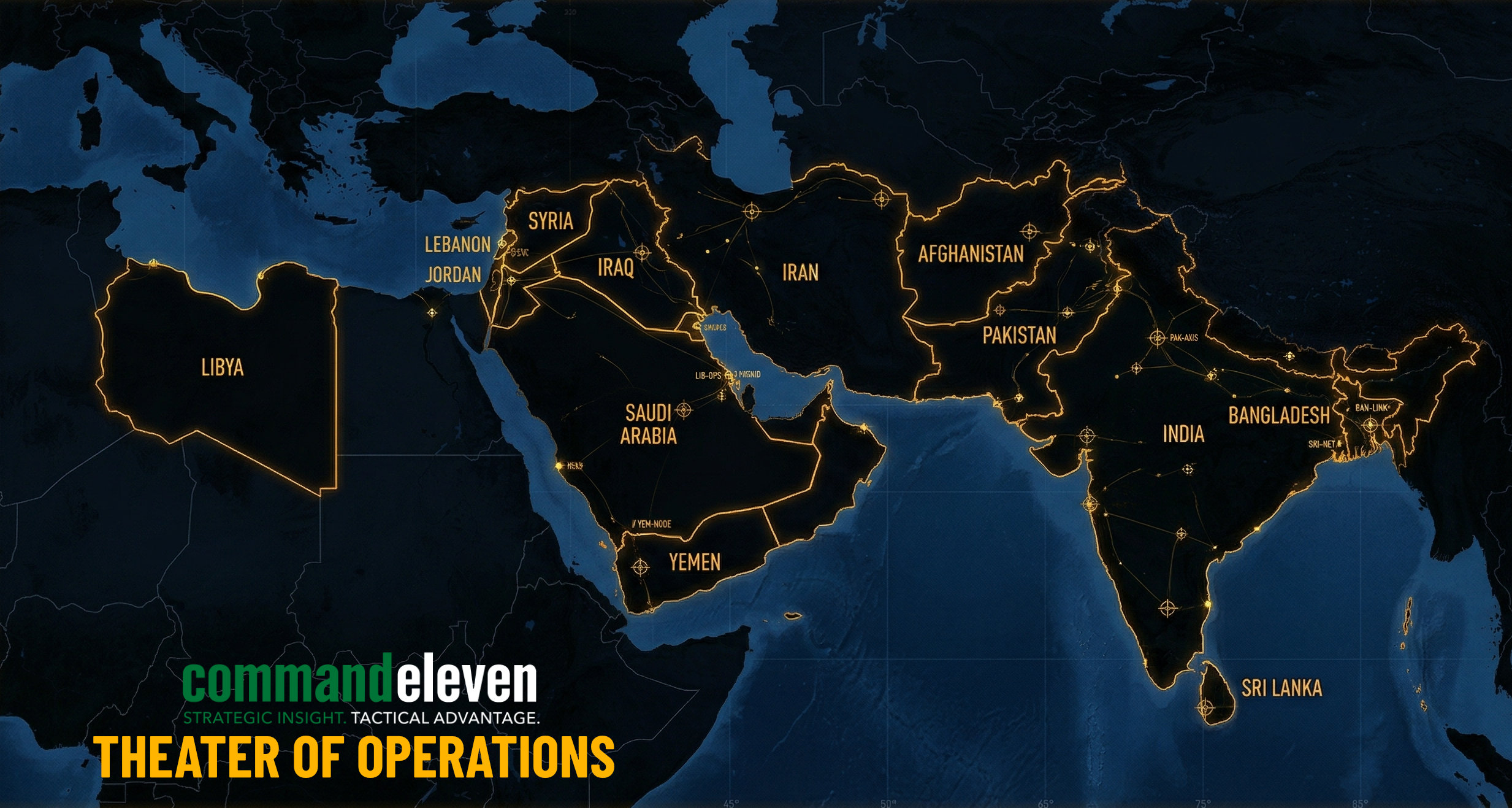
Oversight of deep-cover assets across the Middle East and South Asia.
Multi-Source Synthesis //
Integration of SIGINT and OSINT to validate field reports.
Pattern Analysis //
Identifying historical echoes in modern conflict precursors.
OPERATIONAL DOCTRINE //
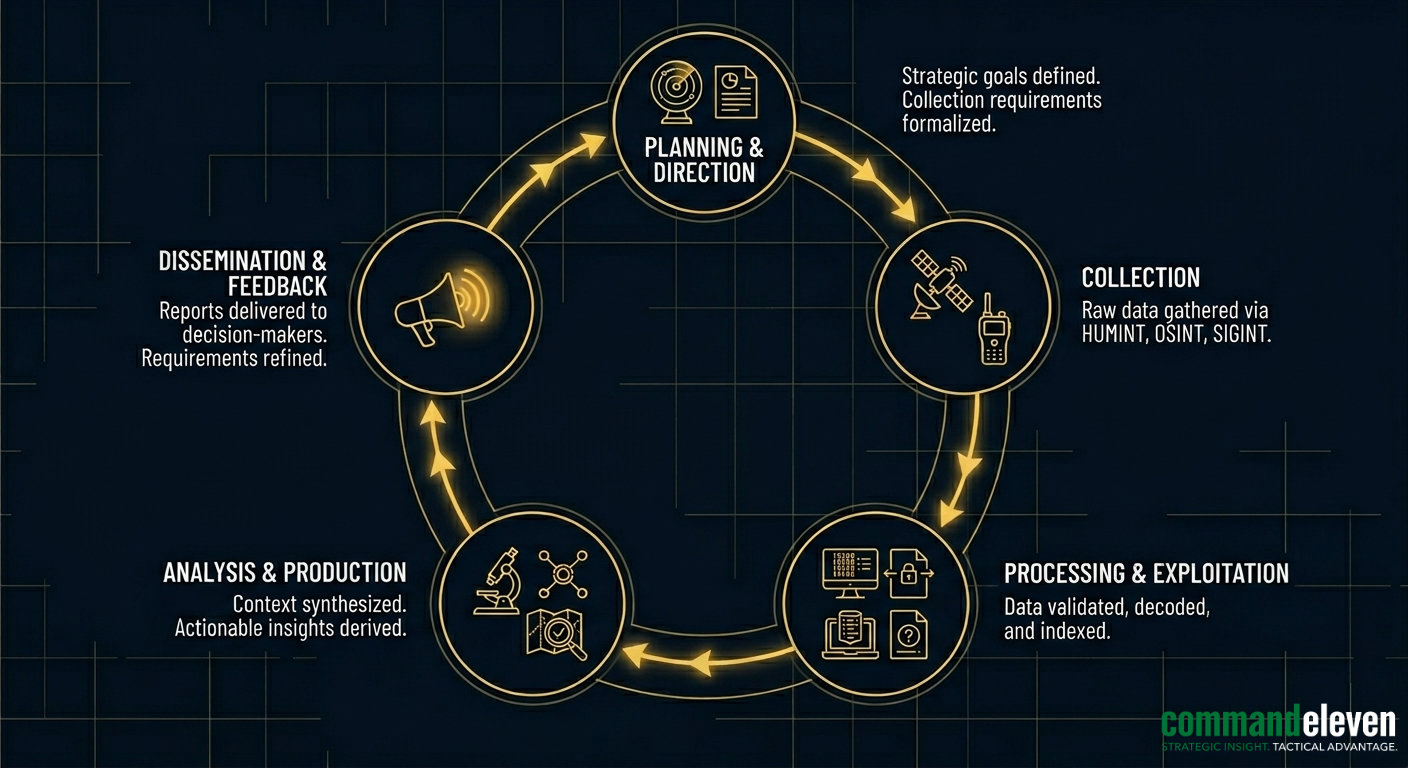
Intelligence Division assets prioritize the Validation Phase. Every data point harvested from the theater is subjected to a “Triple-Node Verification” process—cross-referencing HUMINT with technical signatures to ensure a zero-point margin of error before dissemination.
VALIDATION PROTOCOLS // OVERSIGHT
The Intel Division operates under a Zero-Point Margin of Error mandate.
Every data point harvested from the theater is subjected to the following Triple-Node Verification protocol before it is promoted to the Synthesis phase.
REDUNDANCY SCAN //
Raw HUMINT is cross-referenced against independent field assets within the same operational node. No single-source report is considered verified without a secondary, independent confirmation of the event or intelligence.
TECHNICAL CORRELATION //
Validated HUMINT is overlaid with available technical signatures, including OSINT (Open Source Intelligence) and SIGINT (Signal Intelligence) metadata. This ensures that the human reporting aligns with the digital and technical footprint of the theater.
TEMPORAL AUTHENTICATION //
Reports are analyzed for latency. Data is authenticated by its proximity to the event, ensuring that the information provided is not a legacy narrative but a real-time tactical specification.
OPERATIONAL REACH //
INTELLIGENCE BRIEFS //
Diesel Before Victory: Washington Leans on Kyiv’s Refinery Campaign – Annex
The US is pressing Kyiv to stop striking Russian refineries, reportedly threatening PURL and intelligence, while trading sanctions relief for Russian diesel.
After USAID: The New Channel for US Political Money Abroad
The State Department moved Democracy Funds to causes in Brazil, South Africa, Nigeria and Europe. Why the channel changed, not the practice, and the BRICS angle.
BRICS Pay’s 2027 Pilot: Cutting Out the Middlemen – Part 5
BRICS Pay plans a 2027 pilot that skips SWIFT messaging and nets bank debts. What it targets, what it must prove, and why sanctions still bind.
After the Last Convoy: ISIS and the US Exit from Iraq
ISIS called it a “great victory.” After the last US troops left Iraq on September 30: the attack data, the detainee risk and what to watch next.
Project Meridian Meets Fort Irwin: The Pentagon’s Technology Bet and the Field Test It Already Failed
Pentagon’s Project Meridian bets on new tech; Fort Irwin and Ukraine’s drone win over a US brigade show the real gap is method, not hardware.
France and Belgium Before October 17: When Student Protest Becomes Organized Political Violence
France’s lycee protests have turned into organized political violence spreading to Belgium. What to watch on October 17, scored as a Foresight entry.