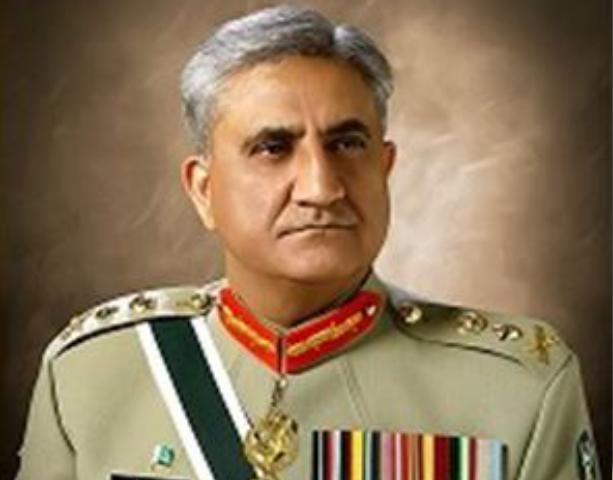
Bajwa’s tenure focused on structural consolidation. He moved the war from the mountains to the urban centers and oversaw the physical fencing of the entire western frontier.
Strategic Verdict: Bajwa successfully pacified the urban centers and integrated FATA, but the “Sanitization Gap” remained open, allowing the TTP to mutate into its current digital-kinetic form.
At A Glance: Bajwa Era
Operation
Status
Strategic Verdict
Radd-ul-Fasaad
SUCCESS
Neutralized thousands of urban sleeper cells nationwide.
Pak-Afghan Fence
PARTIAL
Structurally sound but bypassed post-2021 Afghan collapse.
FATA Merger
SUCCESS
Political and administrative consolidation of the border belt.
Operation Radd-ul-Fasaad (Elimination of Discord)
The largest and longest-running nationwide security operation in Pakistan’s history.
Timeframe: February 2017 – June 2024
Theater: Nationwide (All provinces, urban centers, and the Afghan border).
Lead Command:
Unified Command under GHQ
ISI/MI directing provincial CTDs and Rangers.
Strategic Objective:
Eliminate residual/sleeper threats
Execute a nationwide de-weaponization campaign
Consolidate territorial gains through the Pak-Afghan Border Fence.
Assets & Tactics:
Intelligence-Based Operations (IBOs)—moving away from division-level sweeps to over 375,000 localized, surgical raids
Restored the national psyche by ending the era of daily suicide bombings
Integrated FATA into the provincial fold (2018 Merger)
Reduced urban terrorist incidents by 90% at its peak.
Friction: The 2021 Breach. Post-Afghan Taliban takeover, static defenses (fencing) proved insufficient against insurgents utilizing advanced cutting equipment and “Over-the-Horizon” launchpads.
ISKP & AQIS Network Dismantlement
The surgical decapitation of transnational franchises.
Timeframe: 2018 – 2026 (Active)
Theater: Urban intelligence hubs and Balochistan-Afghanistan transit zones.
Lead Command: Specialized Counter-Terrorism Wing (CTW) of the ISI.
Strategic Objective: Prevent transnational actors (ISKP and Al-Qaeda in the Indian Subcontinent) from establishing a “Wilayat” (province) or operational foothold on Pakistani soil.
Assets & Tactics:
Infiltration of dark-web recruitment forums
Financial tracking of cryptocurrency and Hawala pipelines
Kinetic raids focused on seizing digital assets and encryption keys.
Technical Outcome:
Success:
Prevented any physical territorial acquisition by ISKP
Successful declassified sweeps (2023-2024) resulting in 170+ high-value captures.
Friction: The Mutation Pipeline. Difficulty in preventing lateral defection, as disillusioned TTP fighters frequently “re-brand” as ISKP to access transnational funding.
Operation Ghazi (Protector)
The “Eye for an Eye” urban counter-strike.
Timeframe: February – September 2017
Theater: Nationwide Urban Centers.
Lead Command: Multi-agency task force led by the ISI and Military Intelligence (MI).
Strategic Objective: Neutralize Jamaat-ul-Ahrar (JuA) and TTP sleeper cells responsible for the early 2017 wave of urban bombings.
Assets & Tactics:
Digital signal triangulation and facial recognition
Coordinated “dawn raids” in densely populated sectors.
Technical Outcome:
Success:
Decimated the JuA urban network within six months
Prevented planned decapitation strikes on legislative bodies.
Friction: The Encryption Gap. Insurgents’ use of encrypted messaging initially outpaced traditional SIGINT, sparking the state’s massive investment in Cyber-Kinetic Convergence.
The Hard Border Project
Strategic Objective: Physically seal the 2,600km Durand Line to stop insurgent movement.
The Failure: The 2021 Afghan collapse proved that static defenses (fences) are useless if the adversary possesses high-tech optics and a sovereign neighbor’s support.