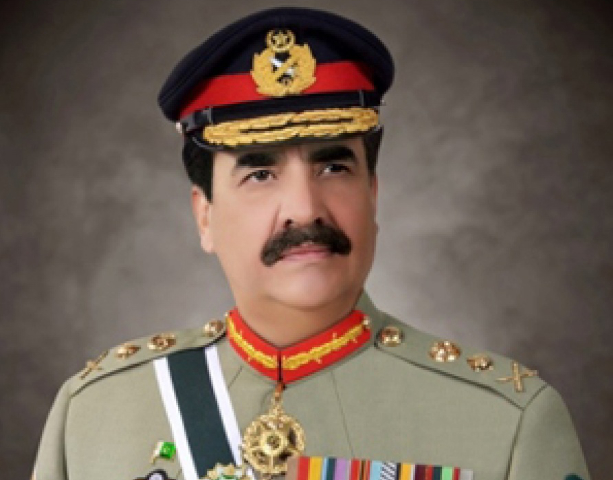
Sharif’s doctrine was characterized by an uncompromising “no-quarter” approach. He abandoned all political nuances, focusing on the total physical destruction of the militant infrastructure in North Waziristan.
Strategic Verdict: Raheel Sharif broke the physical back of the insurgency but failed to account for the Afghan Sanctuary Paradox, as the TTP command successfully fled across the Durand Line.
At A Glance: Raheel Sharif Era
Operation
Status
Strategic Verdict
Zarb-e-Azb
SUCCESS
Total destruction of NWA sanctuaries and bomb factories.
Khyber I-IV
SUCCESS
Sealed high-altitude passes in Rajgal and Tirah.
Karachi Ops
SUCCESS
Sanitized the economic hub from militant/criminal wings.
Operation Zarb-e-Azb (Strike of the Prophet’s Sword)
The absolute infrastructural annihilation of the TTP/AQ heartland.
Timeframe: June 2014 – April 2016
Theater: North Waziristan Agency (Miramshah, Mir Ali, Shawal Valley).
Lead Command: GHQ Rawalpindi / XI Corps Peshawar.
Strategic Objective:
Permanent eradication of the “state-within-a-state”
Destruction of subterranean depots, IED factories, and foreign fighter sanctuaries (IMU, ETIM, AQ).
Assets & Tactics:
Sterilized Free-Fire Zone (mass evacuation of 1M+ TDPs)
Massive PAF integration with precision-guided munitions (PGMs)
Systematic demolition of bazaars and tunnel networks by combat engineering battalions.
Technical Outcome:
Success:
Complete destruction of the insurgency’s physical nerve center
70-80% drop in nationwide mass-casualty attacks by 2016.
Friction: The Afghan Sanctuary. The open western border allowed TTP leadership (facilitated by NDS) to escape into Kunar/Nangarhar, Afghanistan. This oversight triggered the subsequent Hard Border (fencing) doctrine.
The LeJ Decapitation (High-Value Urban Interdiction)
The intelligence-led neutralization of the sectarian-insurgent pipeline.
Timeframe: 2015 (Peak Phase)
Theater: Urban Punjab (Lahore, Multan, Muzaffargarh) and Karachi.
High-Risk Transit Interceptions (notably the 2015 Muzaffargarh firefight resulting in the death of Malik Ishaq).
Technical Outcome:
Success:
Decapitated the most lethal sectarian network in Punjab
Severed the rural-urban militant transit pipeline.
Friction: Judicial Failure. The collapse of the civilian court system due to witness intimidation forced the state’s reliance on military courts and kinetic “encounters” for high-value targets.
Operation Khyber (Phases I, II, III, & IV)
Sealing the high-altitude sanctuaries of the Rajgal and Tirah Valleys.
Timeframe: October 2014 – August 2017
Theater: Khyber Agency (Rajgal Valley, Maidan Plateau).
Lead Command: XI Corps and specialized SSG units.
Strategic Objective: Neutralize the LeI-TTP alliance and seal mountain passes into Afghanistan at elevations exceeding 12,000 feet.
Assets & Tactics:
Indigenous Burraq drones for precision mountain-ridge strikes
High-altitude infantry combat
Permanent bunker construction.
Technical Outcome:
Success:
Captured the Maidan plateau (a decade-long no-go zone)
Pushed Mangal Bagh’s forces permanently into Afghanistan.
Friction: Maintaining operational integrity during winter months. This led to the transition from seasonal outposts to year-round reinforced concrete fortifications.
Operation Rah-e-Shahadat (Path to Martyrdom)
The institutionalization of IED-Defeat doctrine.
Timeframe: 2013 – 2014
Theater: Orakzai Agency and Tirah Valley.
Lead Command: XI Corps / SSG Lead Elements.
Strategic Objective: Clear the final central hub where TTP/AQ assets converged post-Swat.
Assets & Tactics:
Heli-borne insertions on the Maidan plateau
Intense PAF bombardment of cave complexes.
Technical Outcome:
Success: Effectively bottled up remaining TTP elements into North Waziristan, setting the stage for Zarb-e-Azb.
Friction: High casualty rates from IED-laden trails forced a massive institutional acquisition of mine-resistant vehicles and jamming technology.