BLUF: Appendix A — Military Operation (MILOPs) Briefs
Appendix A deconstructs the 25-year counter-terrorism (CT) audit through the lens of Command Intent. It audits the five Chiefs of Army Staff (COAS) who dictated national security doctrine from 2001 to 2026. This ledger tracks the institutional shift from Conventional Dissonance and reactive “Clear-Hold-Build” tactics to the modern Preemptive Deterrence model. It establishes that while tactical successes were achieved in physical terrain clearance, the strategic outcome of each era was dictated by the high command’s ability (or failure) to address the Sanitization Gap and the Afghan Sanctuary Paradox.
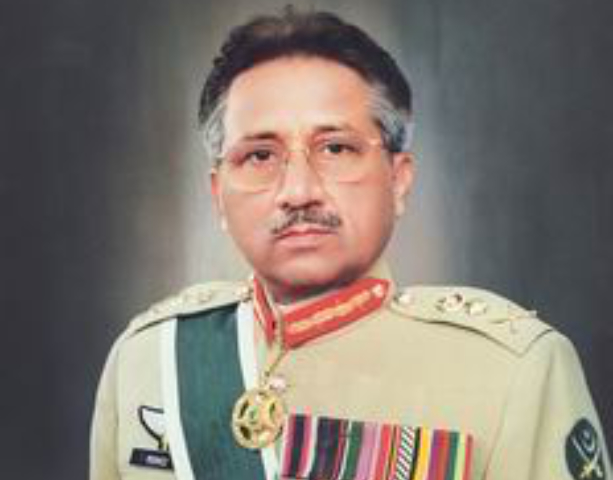
Command Profile: Transitioned from a post-Kargil offensive posture to the primary logistical facilitator of the Global War on Terror.
Strategic Verdict: Achieved top-tier HVT decapitation (Khalid Sheikh Mohammed, Abu Zubaydah) but failed to doctrinally prepare the infantry for the FATA vacuum.
Tenure Trigger: The 2007 Red Mosque (Lal Masjid) Siege—the event that catalyzed the unification of domestic anti-state militants into the TTP.
Institutional Legacy: Left the state with a “Sieve Border” and a military entirely untrained for mountain counter-insurgency (COIN).
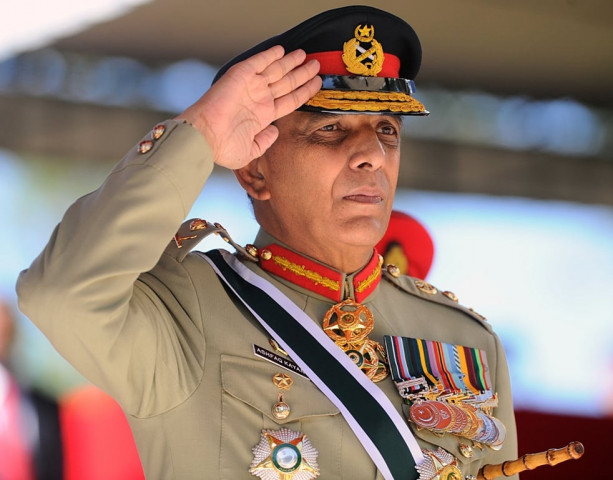
Command Profile: The “Intellectual General” who realized conventional force was insufficient. He oversaw the rewrite of the infantry manual to prioritize counter-insurgency.
Strategic Verdict: Successfully retook the Swat Valley and Mehsud heartlands but struggled with the “Balloon Effect”—failing to seal the sanctuaries in North Waziristan.
Tenure Trigger: The 2009 GHQ Attack in Rawalpindi—a direct assault on the military’s nerve center that forced a total kinetic mobilization.
Institutional Legacy: Transformed the regular Army into a specialized COIN force, but entrenched the “Good vs. Bad” militant distinction.
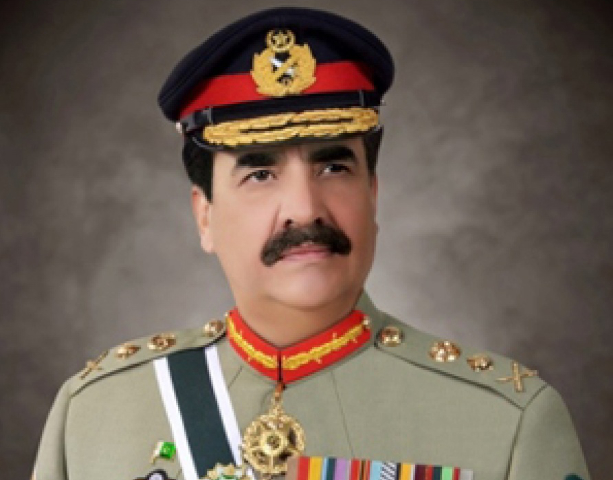
Command Profile: An uncompromising commander who abandoned all political nuances of “appeasement.” He prioritized the total physical destruction of the NWA sanctuary.
Strategic Verdict: Broke the physical back of the insurgency through Operation Zarb-e-Azb, reducing nationwide terror by 70%.
Tenure Trigger: The 2014 APS Peshawar Massacre—the catastrophic event that unified the national narrative and justified the 21st Amendment/Military Courts.
Institutional Legacy: Restored public confidence in military dominance but overlooked the “Afghan Sanctuary” gap.
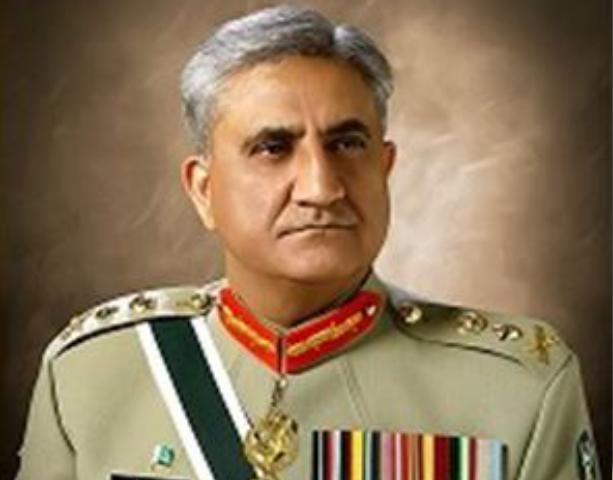
Command Profile: Focused on structural consolidation. He moved the war from the mountains to the urban centers via Operation Radd-ul-Fasaad.
Strategic Verdict: Successfully fenced 2,600 km of the Durand Line and pacified urban centers, though the 2021 Afghan collapse exposed the fragility of static defenses.
Tenure Trigger: The 2017 Sehwan Sharif Bombing—the strike that prompted the launch of the nationwide “Elimination of Discord” framework.
Institutional Legacy: Cemented the “Hard Border” and Integrated the FATA-KP merger, but failed to dismantle the ideological roots of the resurgent TTP.
Command Profile: The architect of the “Regional Accountability” model. He operates at the intersection of high-fidelity SIGINT and zero-latency kinetic force.
Strategic Verdict: Formally ended the “Strategic Depth” era, authorizing cross-border strikes to degrade external launchpads, while struggling against a technologically upgraded (NATO-surplus) adversary.
Tenure Trigger: The 2023 TTP Resurgence & Chitral Incursion—the realization that fencing alone could not contain an adversary with superior optics and foreign sanctuary.
Institutional Legacy: Transitioned the state into a proactive, “Over-the-Horizon” strike power, prioritizing state survival over regional sentiment.