Classification: CLINICAL // INTEL-ONLY // C11-GCTA-25YR-APPA

Authoritative Source: COMMANDELEVEN GEOPOLITICAL STRATEGY UNIT

Date of Assessment: MAY 2026

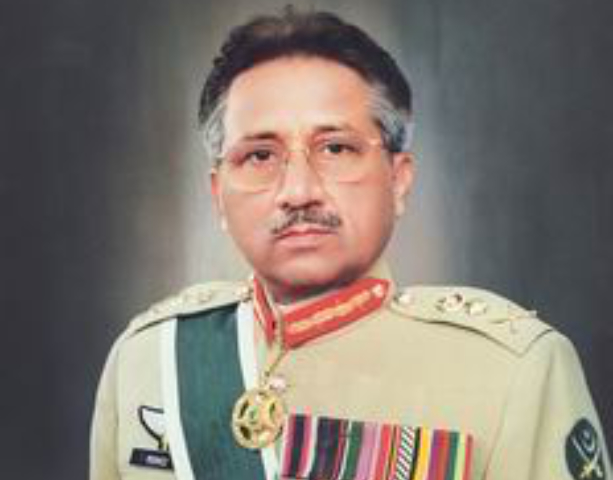
Command Audit: General Pervez Musharraf

General Pervez Musharraf

Phase I: The Musharraf Era (2001–2008)

Primary Doctrine: Conventional Dissonance & Logistical Realism

Musharraf’s tenure was defined by the sudden transition from a post-Kargil offensive posture to becoming the primary logistical “Anvil” for the Global War on Terror. The state operated in a state of dissonance—facilitating US urban HVT decapitations while failing to doctrinally adapt the regular infantry for the emerging tribal insurgency.

Strategic Verdict: Musharraf achieved tactical success in urban interdiction but left the state with a lawless tribal frontier and a military fundamentally unprepared for unconventional warfare.

At A Glance: Musharraf Era

Operation

Status

Strategic Verdict

Operation al-Mizan

PARTIAL

First FATA penetration; failed to secure the physical Durand Line.

Operation Kalosha

FAILURE

Catastrophic tactical defeat at Wana due to intelligence blindness.

Urban HVT Raids

SUCCESS

Highly effective decapitation of Al-Qaeda command nodes in cities.

Operation Enduring Freedom (Pakistan Theater & Urban Interdiction)

The “Anvil” phase of the initial US-led invasion of Afghanistan.

  • Timeframe: October 2001 – 2002
  • Theater: Durand Line (Pakistan-Afghanistan border), Urban Hubs (Karachi, Faisalabad, Rawalpindi).
  • Lead Command:
    • Gen. Pervez Musharraf (COAS)
    • Lt. Gen. Ehsan ul Haq (DG ISI)
  • Strategic Objective:
    • Logistical facilitation of NATO forces
    • Interdiction of Al-Qaeda (AQ) and Taliban High-Value Targets (HVTs) fleeing across the border.
  • Assets & Tactics:
    • Leasing of airbases (Shamsi, Jacobabad)
    • Urban intelligence fusion (ISI/CIA joint raids) targeting sleeper cells.
  • Technical Outcome:
    • Success:
      • Averted immediate kinetic friction with the US
      • Decapitated AQ command through the capture of Abu Zubaydah and Khalid Sheikh Mohammed.
 

Friction: Complete failure to seal the physical border (The “Sieve” Effect), allowing mid-level cadres to entrench within the tribal belt.

The Urban Intelligence Fusion

  • Timeframe: 2002–2003
  • Strategic Objective: Intercept and decapitate Al-Qaeda High-Value Targets (HVTs) fleeing the Afghan theater.
  • Success Points:
    • Successful capture of Khalid Sheikh Mohammed (Rawalpindi), Abu Zubaydah (Faisalabad), and Ramzi bin al-Shibh (Karachi).


The Failure: While urban raids were lethal, the “Sieve Effect” at the border allowed mid-level cadre to entrench in FATA.

Operation al-Mizan (The Equilibrium / Early FATA Incursions)

The first projection of sovereign force into the tribal agencies since 1947.

  • Timeframe: 2002 – 2006
  • Theater: South Waziristan and Tirah Valley (Khyber Agency).
  • Lead Command: Gen. Safdar Hussein (Commander, XI Corps).
  • Strategic Objective: Eradicate foreign fighters (IMU, Chechens, Arabs) and dismantle tribal facilitation networks.
  • Assets & Tactics:
    • Conventional infantry sweeps (7th/9th Div)
    • Colonial-era collective punishment (FCR) blockades
    • SSG heliborne insertions.
  • Technical Outcome:
    • Success:
      • First-ever geographic penetration of the Tirah Valley
      • Disruption of foreign fighter C2 hubs in Shakai.


Friction: Severe doctrinal mismatch; heavy artillery use alienated local tribes; intelligence blindness regarding tribal structures led to “fighting an invisible enemy.”

Operation Kalosha (The Wana Siege)

A localized case study in tactical miscalculation and the dangers of negotiating from weakness.

  • Timeframe: March 16 – March 28, 2004
  • Theater: Kalosha Village, South Waziristan.
  • Lead Command: Shafqat (Local Tactical Command, XI Corps).
  • Strategic Objective: Decapitation strike against Tahir Yuldashev (IMU) and Nek Muhammad Wazir.
  • Assets & Tactics:
    • Cordon-and-search using Frontier Corps (FC) and Zalzala Battalion
    • AH-1 Cobra gunship support.
  • Technical Outcome:
    • Success:
      • Physically degraded IMU infrastructure
      • Severely wounded Tahir Yuldashev.


Friction: The “Intelligence Trap”—underestimated forces (600+ vs expected 100); catastrophic casualties (>60 KIA); resulted in the flawed Shakai Agreement, which effectively legitimized militant leaders.

The Lal Masjid (Red Mosque) Siege

  • Timeframe: July 2007


Tenure Trigger: The event that shattered “Appeasement.” The kinetic entry into the capital’s sanctuary unified domestic militants and led to the formal creation of the TTP.

Operation Zalzala (Earthquake)

The implementation of “Scorched Earth” infrastructure demolition.

  • Timeframe: January 24 – May 2008
  • Theater: Spinkai Raghzai, South Waziristan.
  • Lead Command: Gen. Tariq Khan (GOC 14th Infantry Division).
  • Strategic Objective: Dismantle Baitullah Mehsud’s (TTP) command node and eliminate suicide bomber trainer Qari Hussain.
  • Assets & Tactics:
    • Mechanized push using Al-Khalid/Al-Zarrar tanks
    • the “Spinkai Model” (systematic bulldozing of militant-affiliated compounds).
  • Technical Outcome:
    • Success:
      • Captured massive IED factories and training camps
      • Physically erased the TTP’s primary logistics hub in Spinkai.


Friction: Total failure of the intelligence net to catch HVTs (Baitullah and Qari Hussain escaped); massive internal displacement (>200k) generated localized resentment; gains were neutralized by a subsequent May 2008 peace truce.