

Technical Takeaways
- Algorithmic Infiltration Architecture: Digital radicalization has transitioned from an open, public forum model to a clinical, automated pipeline that uses multi-lingual propaganda to identify vulnerable targets via mainstream algorithms quickly isolating them within E2EE networks.
- Decoupling from Physical Infrastructures: The remote-controlled handling framework eliminates the requirement for physical training camps or domestic organizational hubs, shifting the target’s operational life cycle completely onto secure virtual environments.
- Priority Shift to Behavioral Tracking: Because ideological markers are heavily guarded via encrypted communications, domestic interdiction depends entirely on identifying localized anomalies across financial, digital, and dual-use material procurement channels.
Bottom Line Up Front (BLUF)
Modern transnational radicalization has transitioned from an organic, community-based phenomenon into a structured, algorithmic pipeline managed remotely via encrypted digital ecosystems. Threat networks – specifically the external operations hubs of ISKP and the TTP – exploit the psychological friction points of cultural isolation and political alienation within unintegrated Western diaspora enclaves. By isolating targets into end-to-end encrypted (E2EE) channels, remote handlers can orchestrate localized pre-operational tasks beneath the detection thresholds of Western domestic intelligence agencies, making the tracking of early behavioral anomalies the primary vector for domestic interdiction.
The Virtual Infiltration and Processing Loop
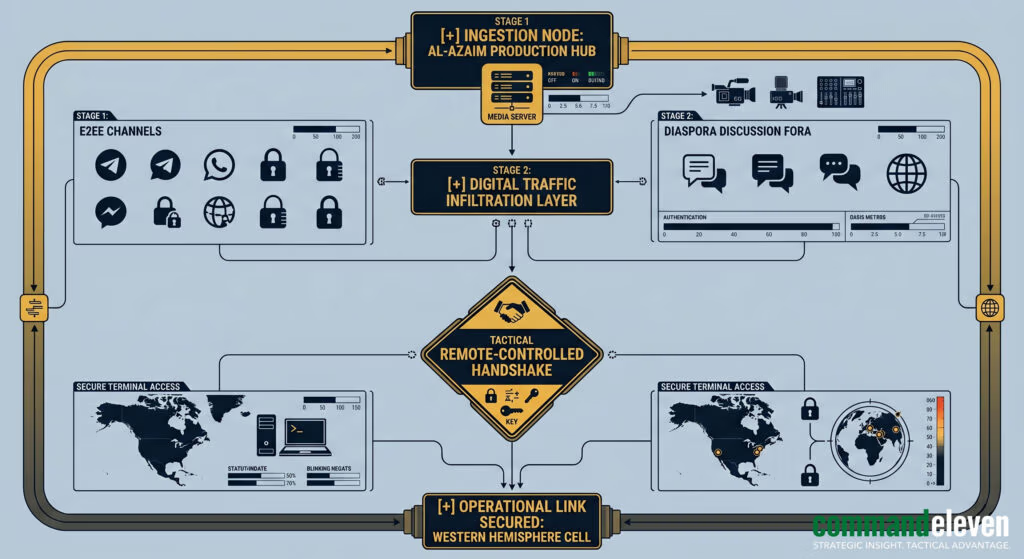
The contemporary radicalization pipeline operates as a highly clinical, multi-staged funnel engineered by centralized media commissions like the Al-Azaim Foundation (ISKP) and Umar Media (TTP). This process does not rely on public, high-visibility extremist forums that easily trigger state-level keywords and automated scraping tools. Instead, it systematically weaponizes the structural features of mainstream algorithmic distribution to filter and isolate potential domestic strike assets.
The pipeline initiates with broad-spectrum multi-lingual content distribution across standard public social platforms. Media operatives seed highly stylized, translated video essays, audio briefs, and ideological graphics into regional linguistic discussion boards, immigrant labor groups, and cultural diaspora fora. The core themes avoid explicit kinetic calls, focusing instead on themes of systemic Western hostility, identity erasure, and localized grievances tailored to specific target demographics.
Once an individual actively interacts with these materials – via persistent downloads, shares, or comment tracking – algorithmic screening protocols flag the user for recruitment routing. At this stage, a human intermediary initiates direct contact, quickly moving the interaction away from public feeds into secure, closed end-to-end encrypted (E2EE) platforms such as Telegram, TamTam, or private Matrix servers.
Inside these digital enclaves, the target is subjected to a progressive cognitive overhaul. The recruiter isolates the individual from moderate family and community influences, introducing peer-to-peer behavioral vetting and loyalty testing. The final stage completes the conversion, shifting the asset to a dedicated external operations handler based in the Khorasan theater. This handler locks in command authority, converting the radicalized individual into an in-country operational node ready to receive localized pre-operational instructions.
Operational Detection Blueprint: Behavioral Indicator Matrix
Because traditional counter-terrorism profiling parameters have been restricted or de-emphasized within federal agencies like the FBI and ODNI, detecting these decentralized cells requires shifting analytical focus from overt ideological expressions to precise digital, financial, and material anomalies.
The following behavioral indicator matrix outlines the observable signatures generated when an individual enters the active handling phase.
| Surveillance Vector | Legacy/Baseline Behavior | Tactical Anomaly Indicator (High-Risk) |
| Digital Footprint | Standard public social media usage (X, Meta, TikTok). | Sudden migration to hyper-secured, non-custodial operating systems (TailOS, Qubes), exclusive utilization of E2EE decentralized platforms (TamTam, Matrix protocols), and frequent purging of local metadata registries. |
| Financial Signatures | Conventional banking, peer-to-peer apps (Venmo, PayPal), standard retail purchases. | Transition to structured cash deposits at local over-the-counter (OTC) desks, automated conversion of fiat capital into privacy-centric digital assets (XMR), and repetitive micro-transfers to unlinked, non-custodial wallets. |
| Material Procurement | Standard e-commerce, household/automotive maintenance. | Unlinked, repetitive purchases of dual-use consumer tech (Software-Defined Radios, specialized drone telemetry range-extenders, high-resolution thermal cores) or structured accumulation of chemical precursors (high-concentration acetone, hydrogen peroxide, nitromethane). |
| Social / Operational | Active engagement with local community centers, family networks. | Acute social withdrawal, verbalization of intense anti-Western sectarian grievances, sudden adherence to strict operational security (OPSEC) boundaries with family members, and unlogged domestic travel anomalies. |