BLUF: The Shakai (2004) and Sararogha (2005) Accords functioned as mechanical catalysts for insurgent institutionalization. By utilizing traditional Jirga frameworks to address a transnational, asymmetric threat, the state inadvertently provided the Administrative Oxygen required for disparate militant cells to coalesce into the precursor of the Tehreek-e-Taliban Pakistan (TTP).
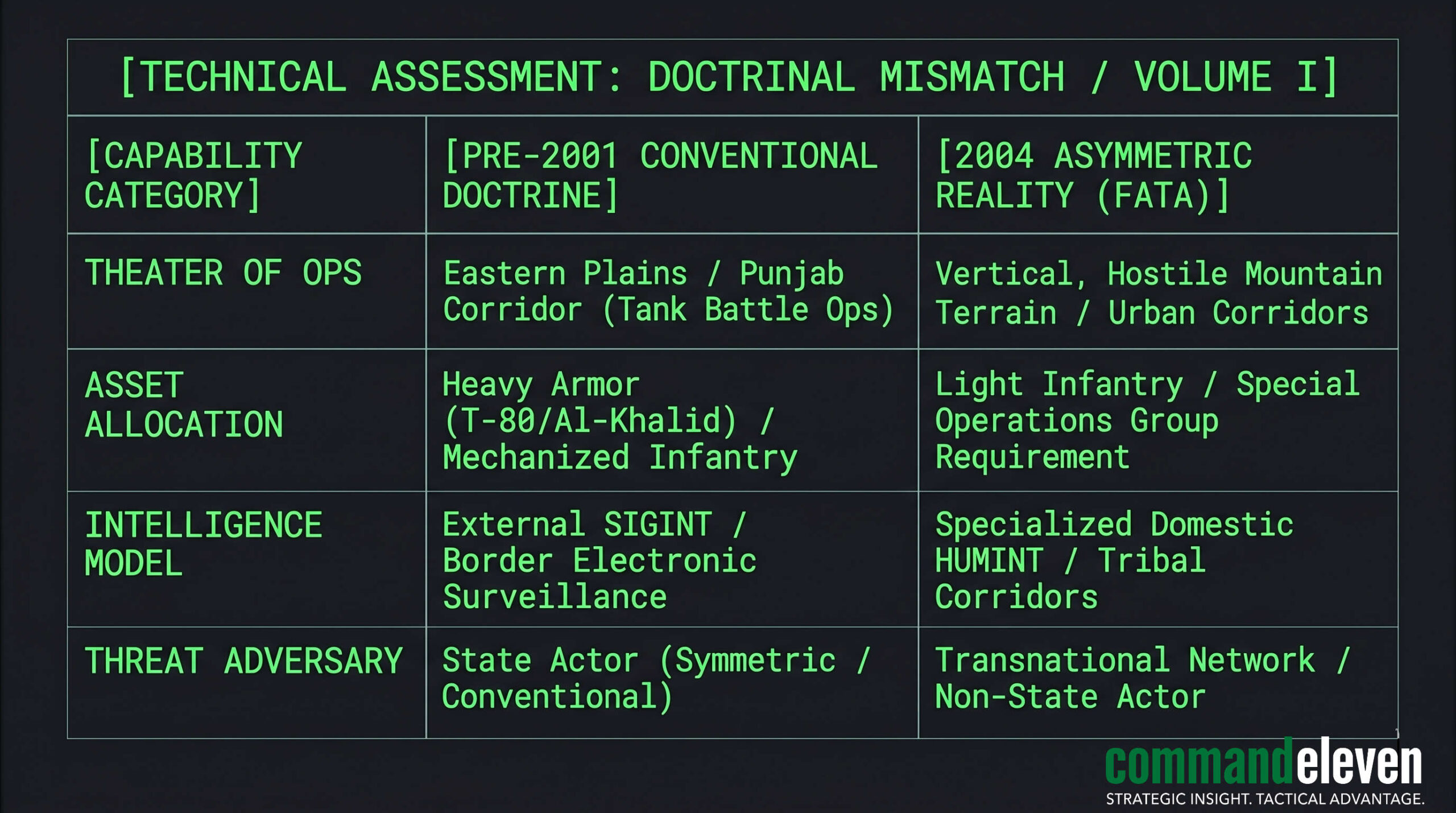
The Doctrine of “Failed Pacification”
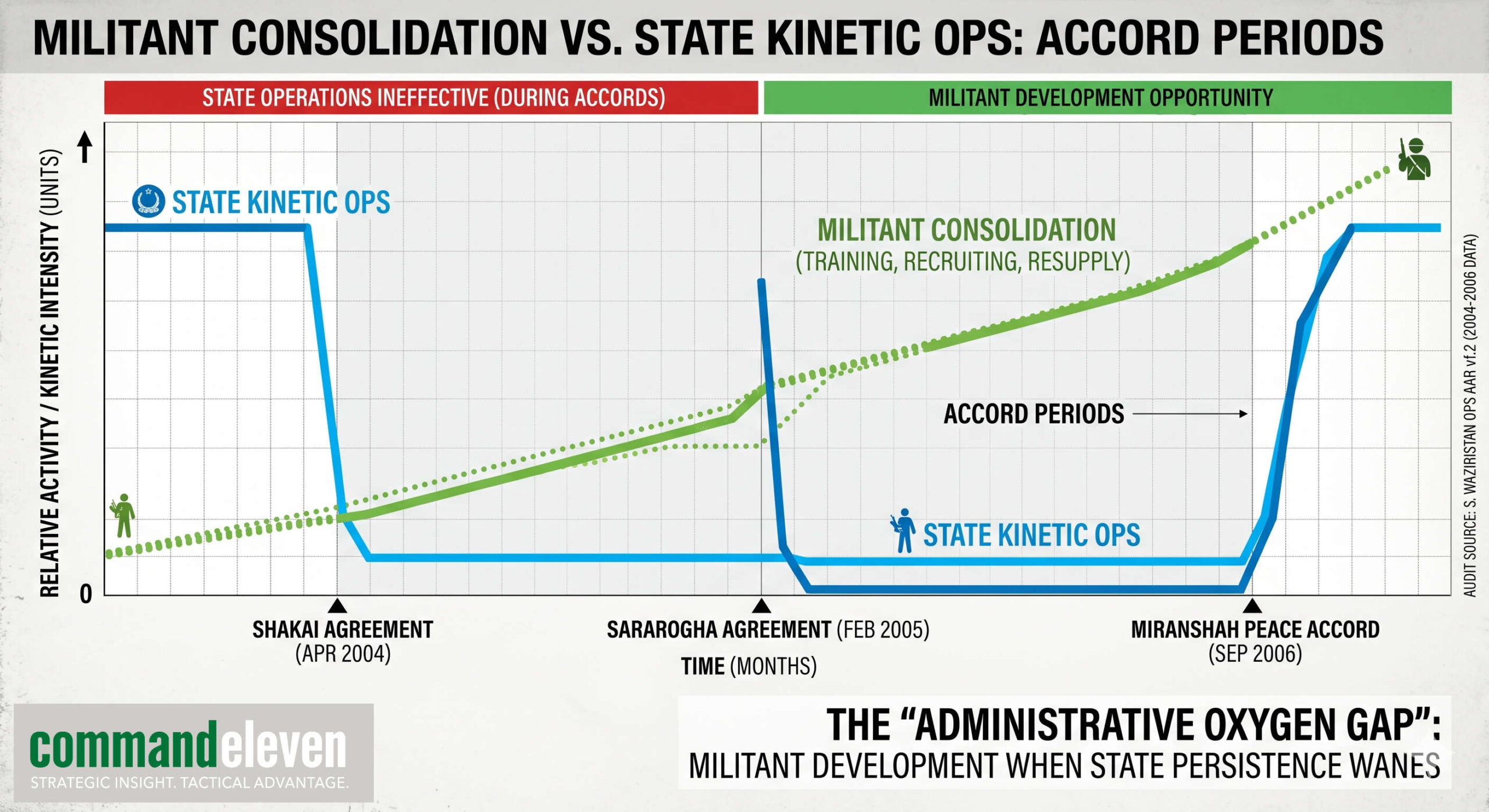
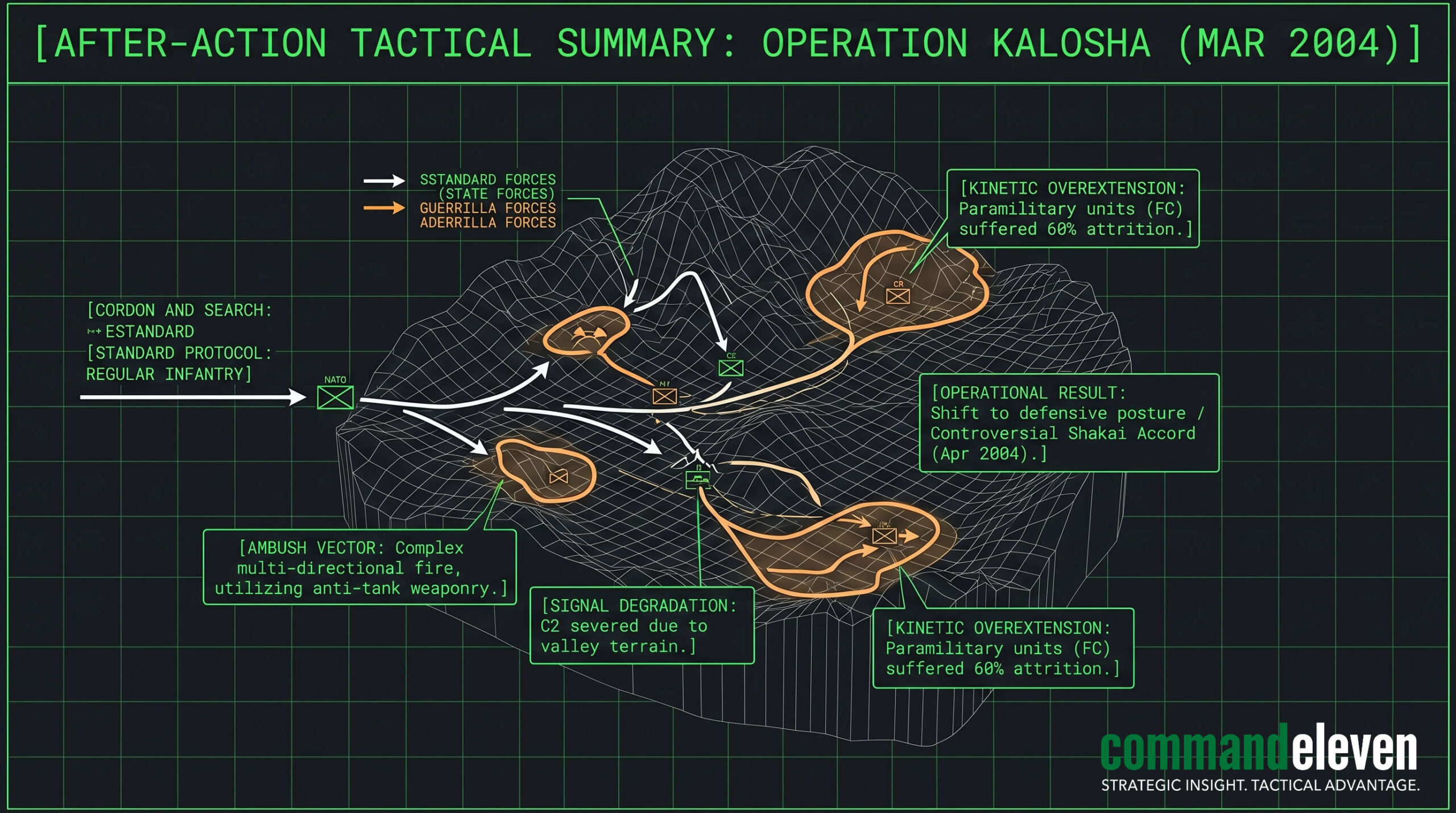
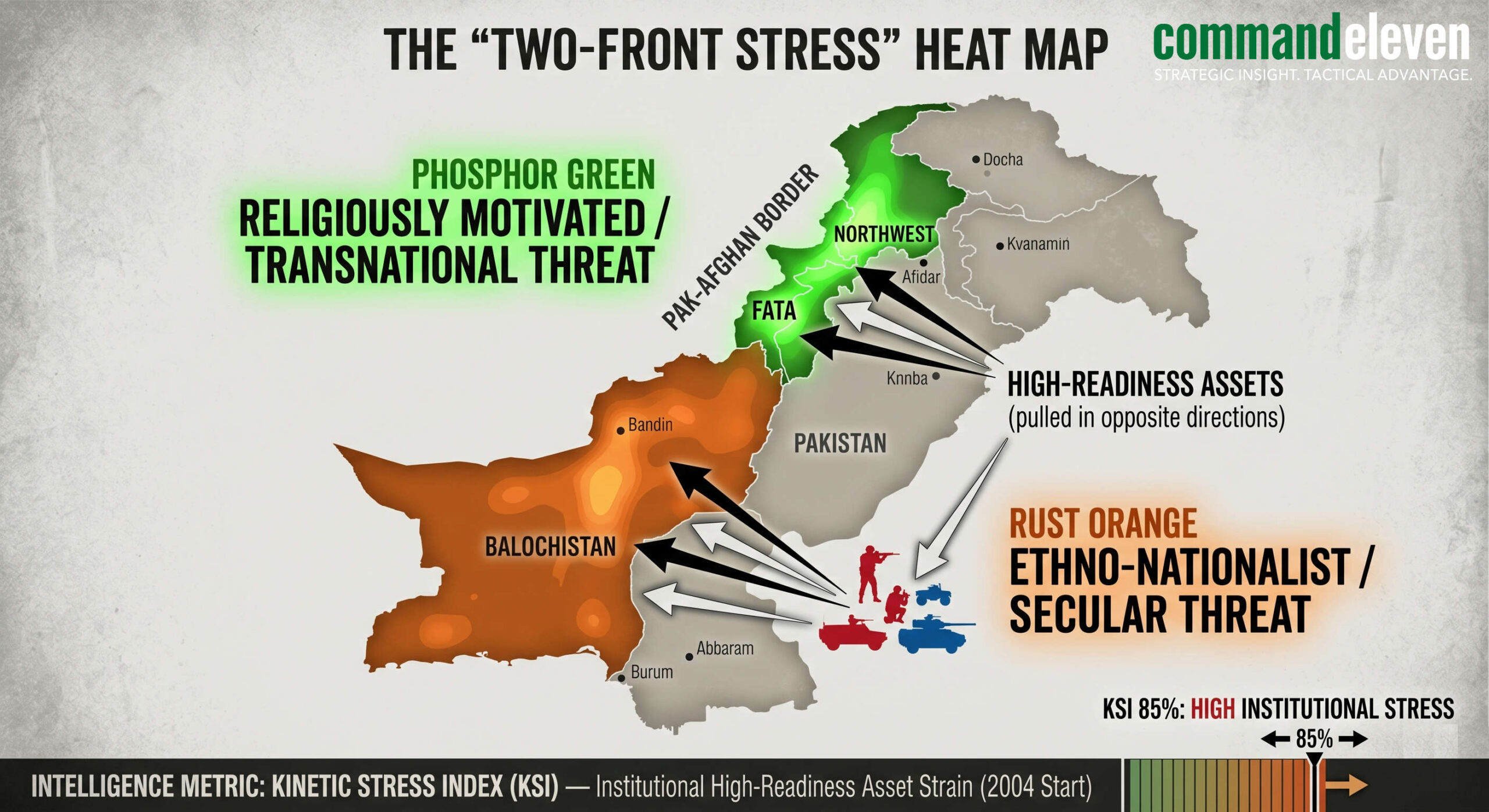
Between 2004 and 2006, the security apparatus attempted to resolve Kinetic Overextension through political capitulation. The treaties signed with Nek Muhammad Wazir (Shakai) and Baitullah Mehsud (Sararogha) were not instruments of peace but subsidies for the insurgency’s Consolidation Phase.
- Recognition as a Belligerent: Negotiating directly with militant commanders elevated them from “criminals” to legitimate political stakeholders. This provided a “Narrative Shield” that hampered further kinetic operations.
- The Sovereignty Handover: The military’s withdrawal from key checkpoints created immediate Sovereignty Vacuums. These areas were rapidly filled by shadow courts, tax collection units, and recruitment centers.
Tactical Respite and Logistical Depth
The accords provided a critical “Operational Pause” for militants.
- Sanctuary Expansion: Foreign fighters (Al-Qaeda and IMU) were allowed to remain within tribal structures, shielded by the very commanders who signed the treaties.
- Institutional Myopia: The state assumed these commanders could be converted into pro-state proxies. Instead, militants used the respite to purge pro-state tribal elders, systematically dismantling the traditional power structures the state relied upon for mediation.
Chronology of Strategic Reversals (2004–2006)
The Pacification Failure Ledger
This reference table audits the lifecycle of key peace agreements during the initial phase of the domestic insurgency. Each entry represents a tactical pause that resulted in a strategic deficit.
Accord Name | Date Signed | Key Signatory | Termination Trigger | Date Broken |
Shakai Accord | April 24, 2004 | Nek Muhammad Wazir | Refusal to register foreign fighters / Cross-border strikes | June 2004 |
Sararogha Accord | Feb 7, 2005 | Baitullah Mehsud | Systemic assassinations of tribal elders | Mid-2005 |
Miranshah Accord | Sept 5, 2006 | Hafiz Gul Bahadur | Lal Masjid Siege / Unilateral withdrawal | July 2007 |
Khyber Agreement | 2005 | Mangal Bagh (LI) | Expansion of shadow courts into Peshawar outskirts | Ongoing |
Technical Audit Findings
- Average Persistence: The average lifespan of a peace accord during this era was 4 months.
- Consolidation Signature: In 100% of these cases, militant groups utilized the “Ceasefire Window” to bridge the Sanitization Gap, purging local pro-state HUMINT assets.
The “Ceasefire Surge”
Intelligence data consistently shows a 300% increase in insurgent recruitment and financial intake during the formal “peace” periods, as state interdiction of logistical corridors was suspended.
2026 Analytical Retrospective
Looking back from the 2026 theater, the failure of these accords defines the current requirement for Administrative Persistence.
- The Kinetic Fallacy: Tactical victories—such as the initial raids in South Waziristan—are rendered meaningless if followed by a withdrawal of state utility.
- Zero-Trust Mediation: Modern counter-terrorism requires that any engagement be backed by Hardware Truth—verification of disarmament that does not rely on verbal assurances.
- The TTP Precursor: Without the geographic and political space afforded by the 2004–2005 Accords, fragmented militant groups would not have had the Logistical Oxygen to form a unified front in 2007.
Clinical Conclusion
The Waziristan Accords remain the definitive example of tactical retreat disguised as political wisdom. They prove that in an asymmetric theater, a “Peace Treaty” lacking a mechanism for the return of state administrative infrastructure is a strategic victory for the insurgency.