BLUF: The erosion of the 1893 demarcation (the Pakistan-Afghanistan border) post-1989 transformed a strategic buffer into a corridor of unregulated asymmetric multiplicity. The failure to transition from a “Strategic Depth” posture to a model of Administrative Persistence allowed for the entrenchment of Sovereignty Vacuums that would eventually fuel the domestic insurgency.
The Post-1989 Power Vacuum
The 1989 Soviet withdrawal triggered a systemic fragmentation of the borderland. The 2,640 km frontier—historically treated as a “Strategic Buffer”—became a conduit for unregulated transit.
- Sovereignty Erosion: With the collapse of the Kabul regime, formal border points became secondary to a thriving “Gray Zone” economy.
- The Pipeline Legacy: Logistical networks established to fuel the Jihad remained intact but autonomous, serving regional warlords and ideological factions rather than state interests.
Strategic Depth and the “Madrassa Frontier”
During the 1990s, the pursuit of Strategic Depth led to the institutionalization of the borderlands through the “Madrassa Frontier.”
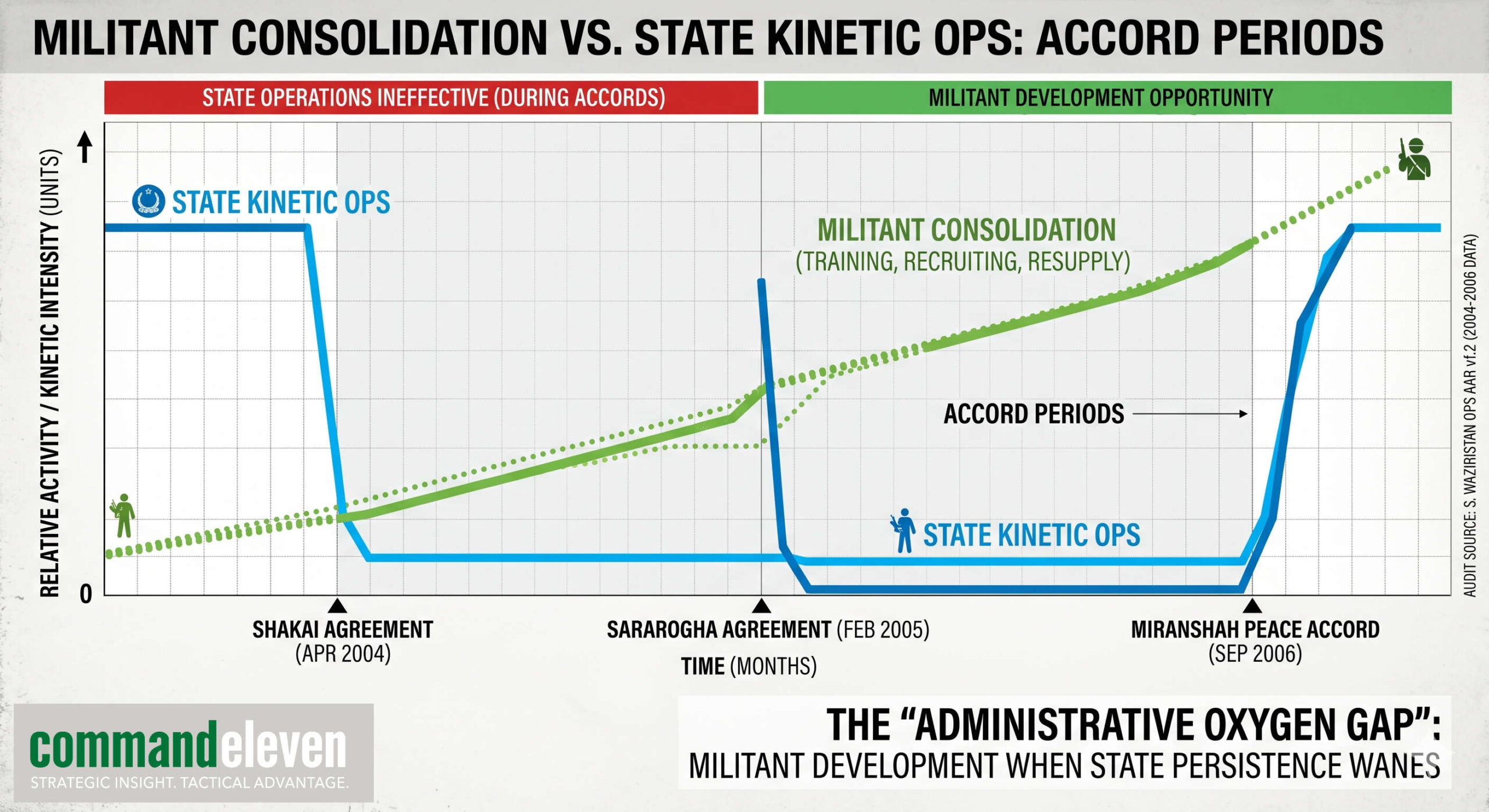
- Logistical Oxygen: These seminaries provided the Administrative Oxygen for the rising Taliban movement.
- Ideological Seamlessness: By the mid-90s, the border had ceased to function as a political boundary, becoming instead a seamless ideological ecosystem that disregarded the 1893 line.
9/11 and the “Tactical Whiplash”
The 2001 regional shift forced an immediate attempt to secure a border the state had spent decades keeping porous. This resulted in Tactical Whiplash.
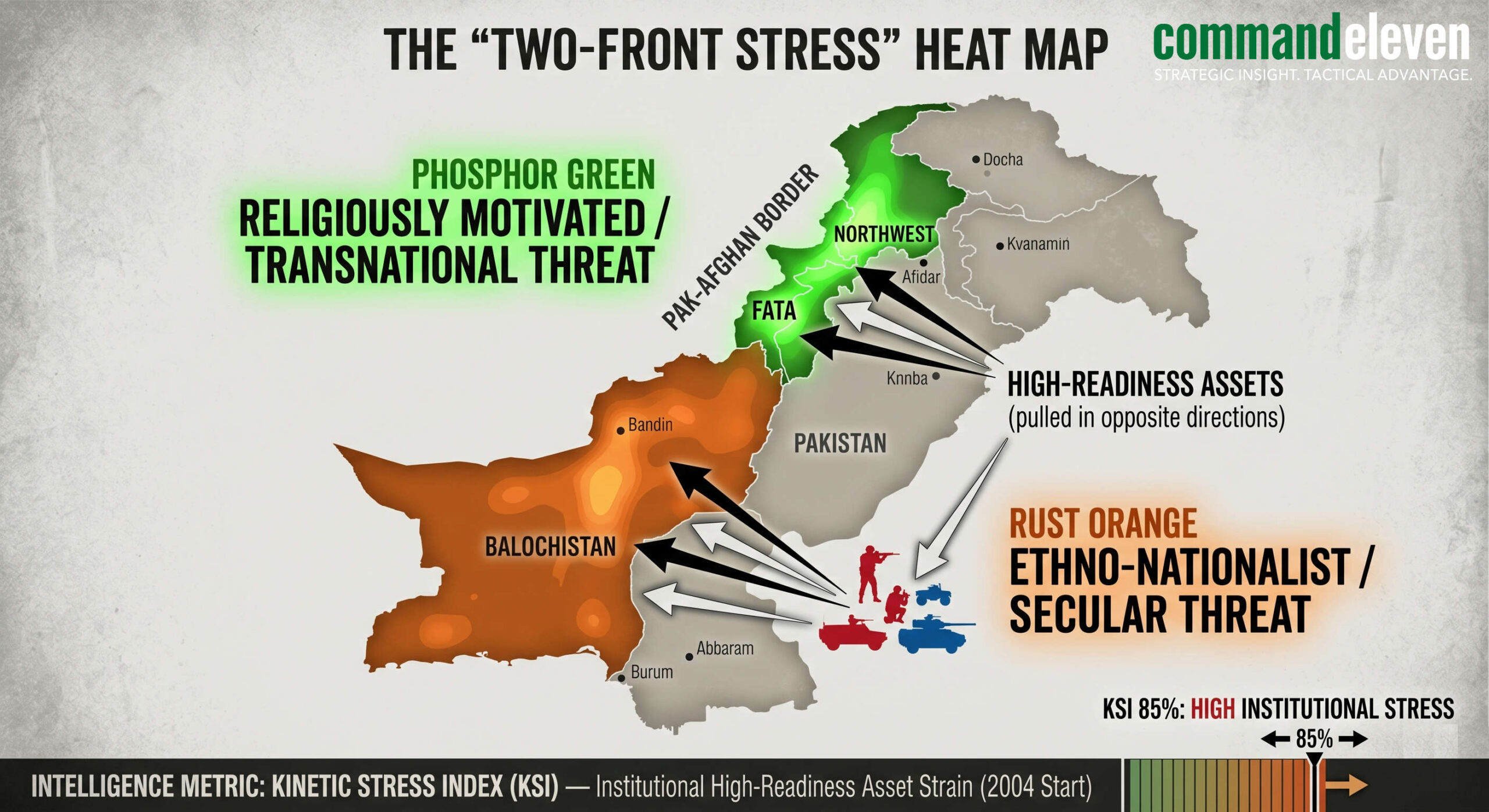
- The FATA Influx: Thousands of foreign fighters established sanctuaries in North and South Waziristan, exploiting the porous terrain.
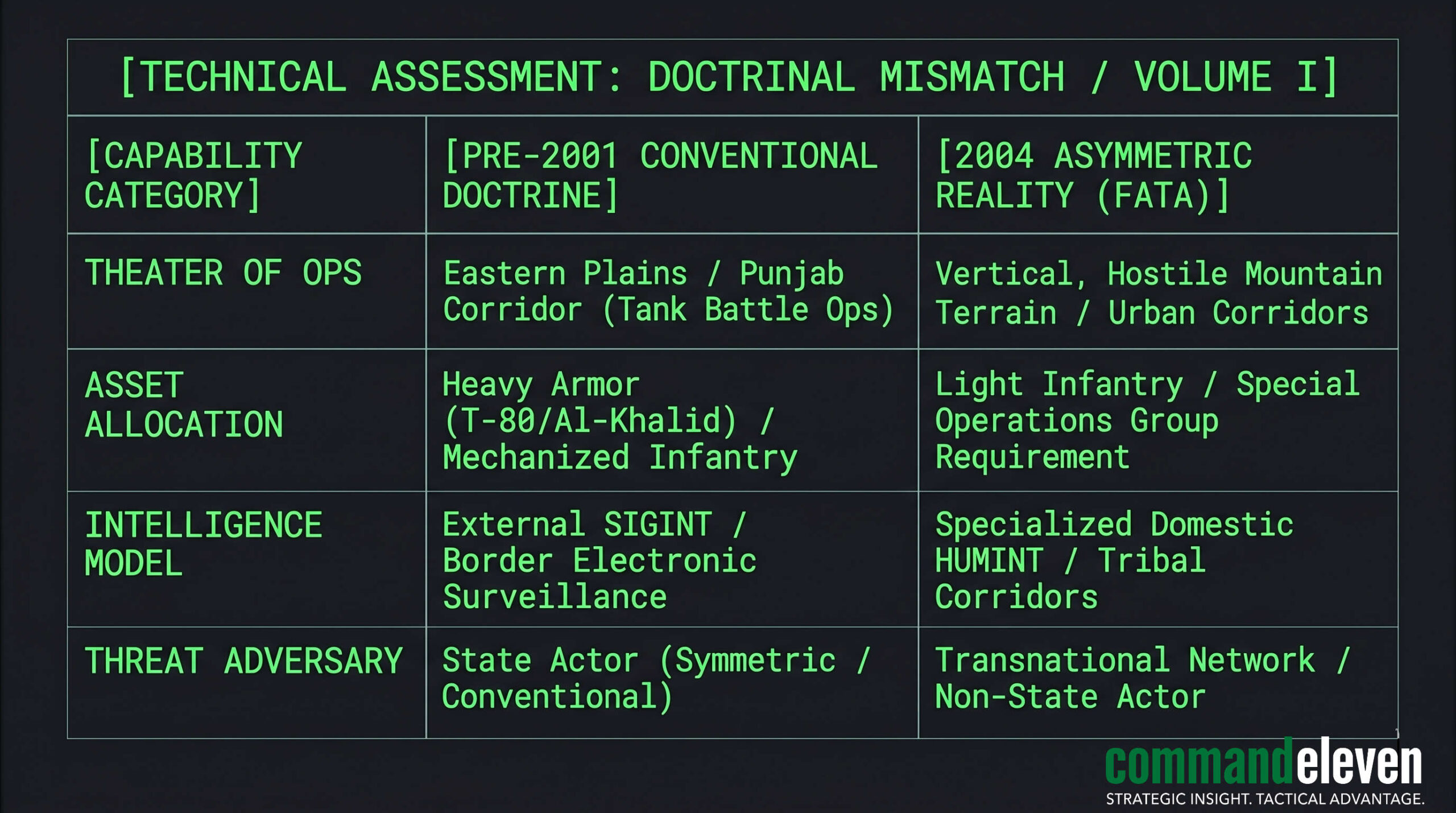
- State Contradiction: The military found itself attempting to police a frontier while lacking the infrastructure or the domestic HUMINT to differentiate between local transit and militant infiltration.
Technical Analysis: Failure of the 1893 Line
Between 2001 and 2006, the border failed due to three specific factors:
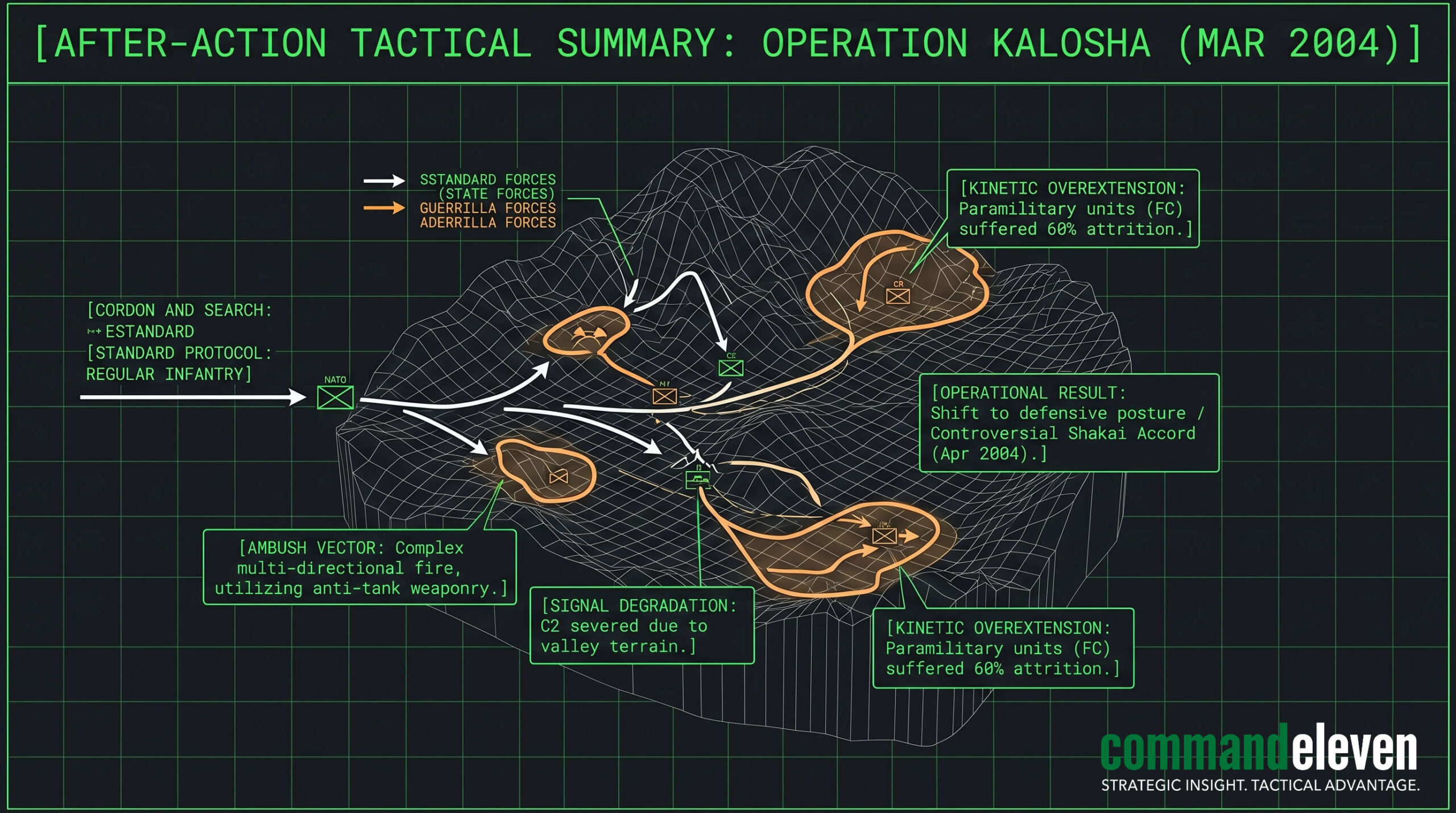
- Topographic Asymmetry: The terrain favored the “Infiltrator” over the “Interceptor.” Standard conventional infantry could not monitor the thousands of “Ghundi” (hidden) passes.
- Demographic Overlap: Local tribal populations viewed the border as an artificial colonial construct, rendering state “Border Management” socially illegitimate.
- The Sanitization Gap: Intelligence regarding crossings was often delayed, allowing High-Value Targets (HVTs) to vanish into the tribal interior.
Clinical Conclusion
The post-Soviet fragmentation proved that a border cannot be secured solely through kinetic patrols. The lack of Administrative Persistence allowed the frontier to become the launchpad for a domestic asymmetric insurgency. Permanent security requires the transition from a porous buffer to a Hardened Border integrated with administrative utility.