BLUF: The September 2006 Miranshah Peace Accord represented a tactical retreat by the security establishment, characterized by Kinetic Overextension and the ceding of administrative space to non-state actors. By providing the insurgency with diplomatic legitimacy and territorial sanctuary, the state inadvertently subsidized the formalization of the Tehreek-e-Taliban Pakistan (TTP) and established the groundwork for the 2007–2014 era of urban terror.
The Sovereignty Vacuum: Tactical & Strategic Deficits
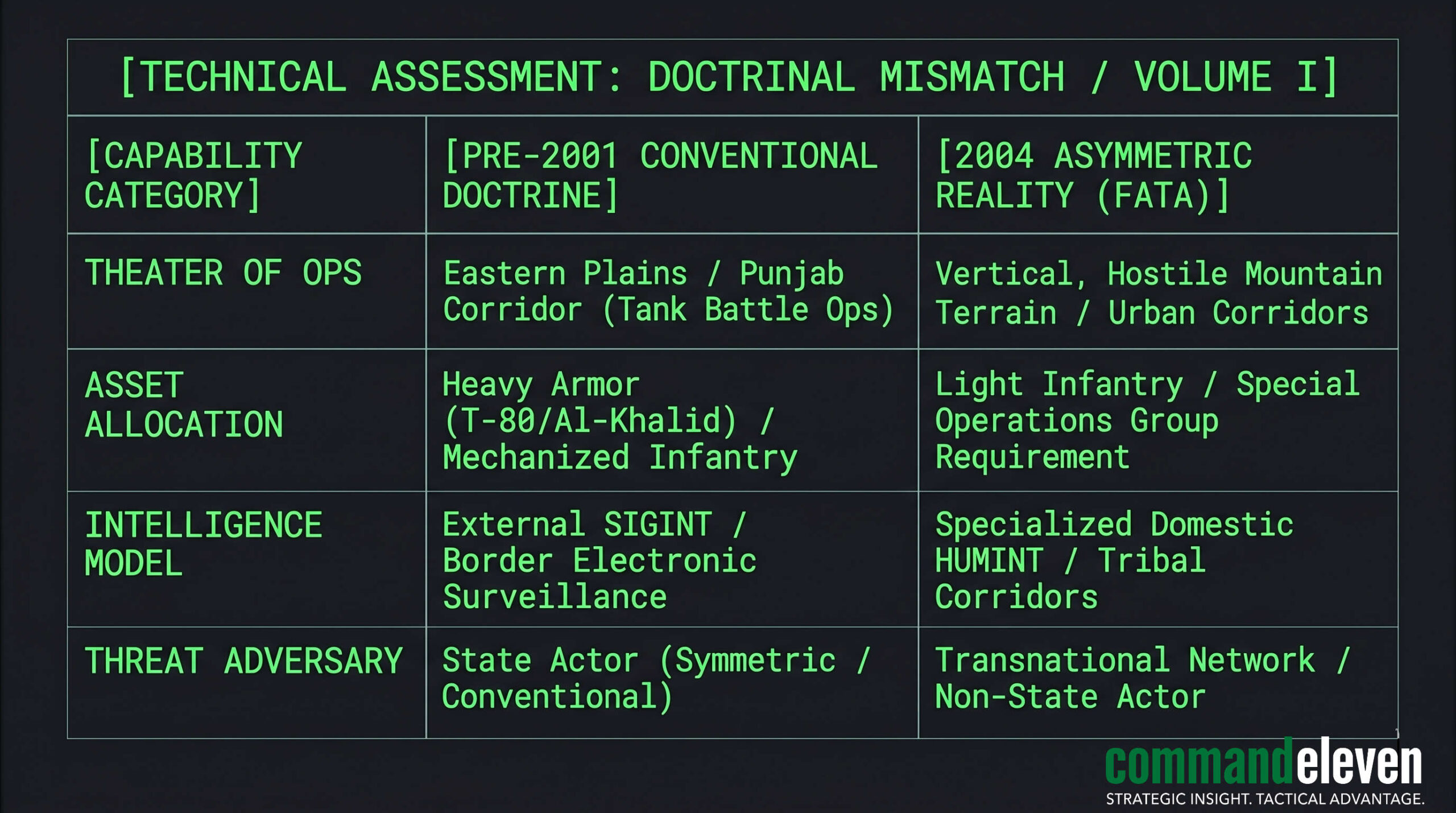
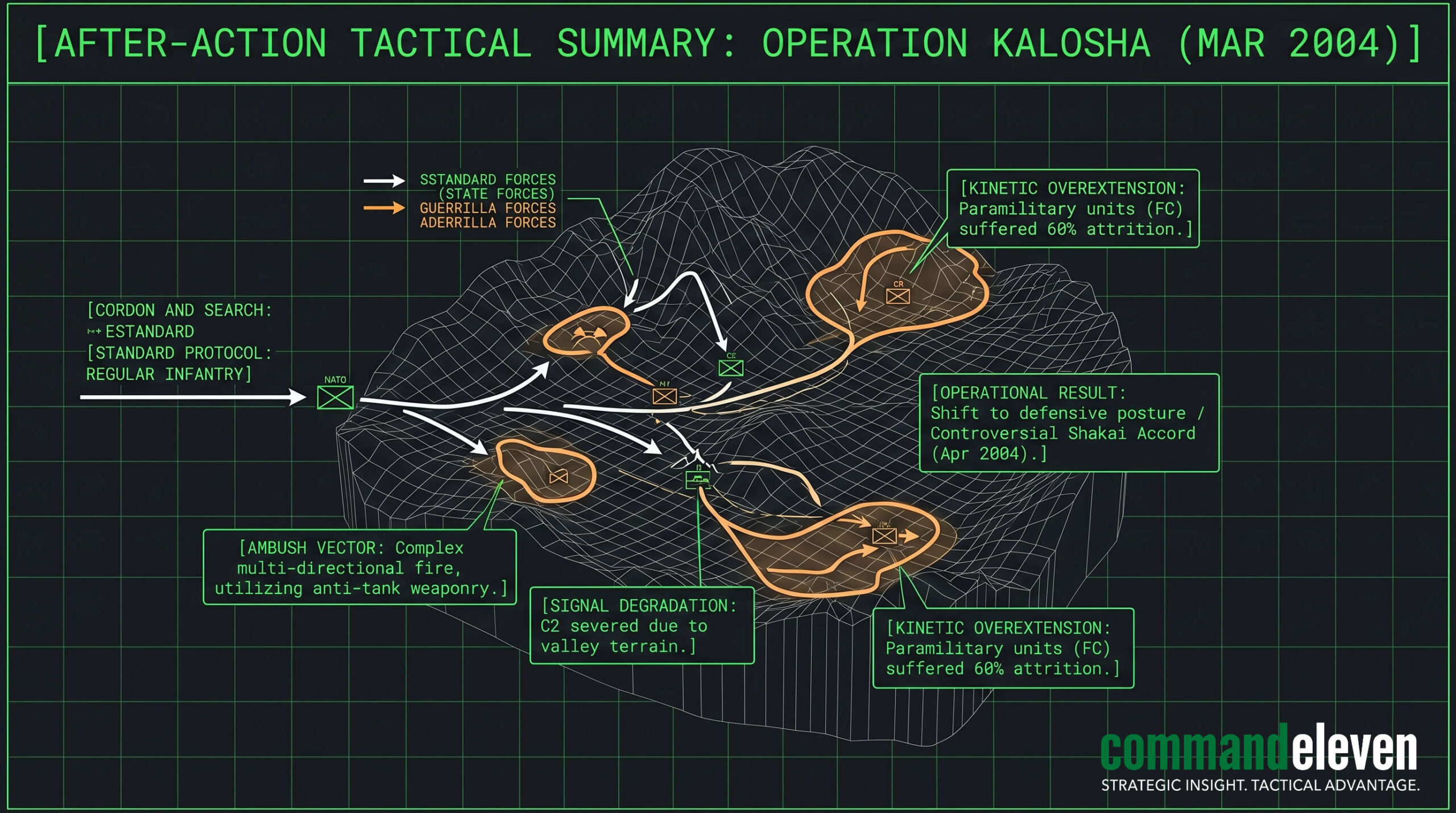
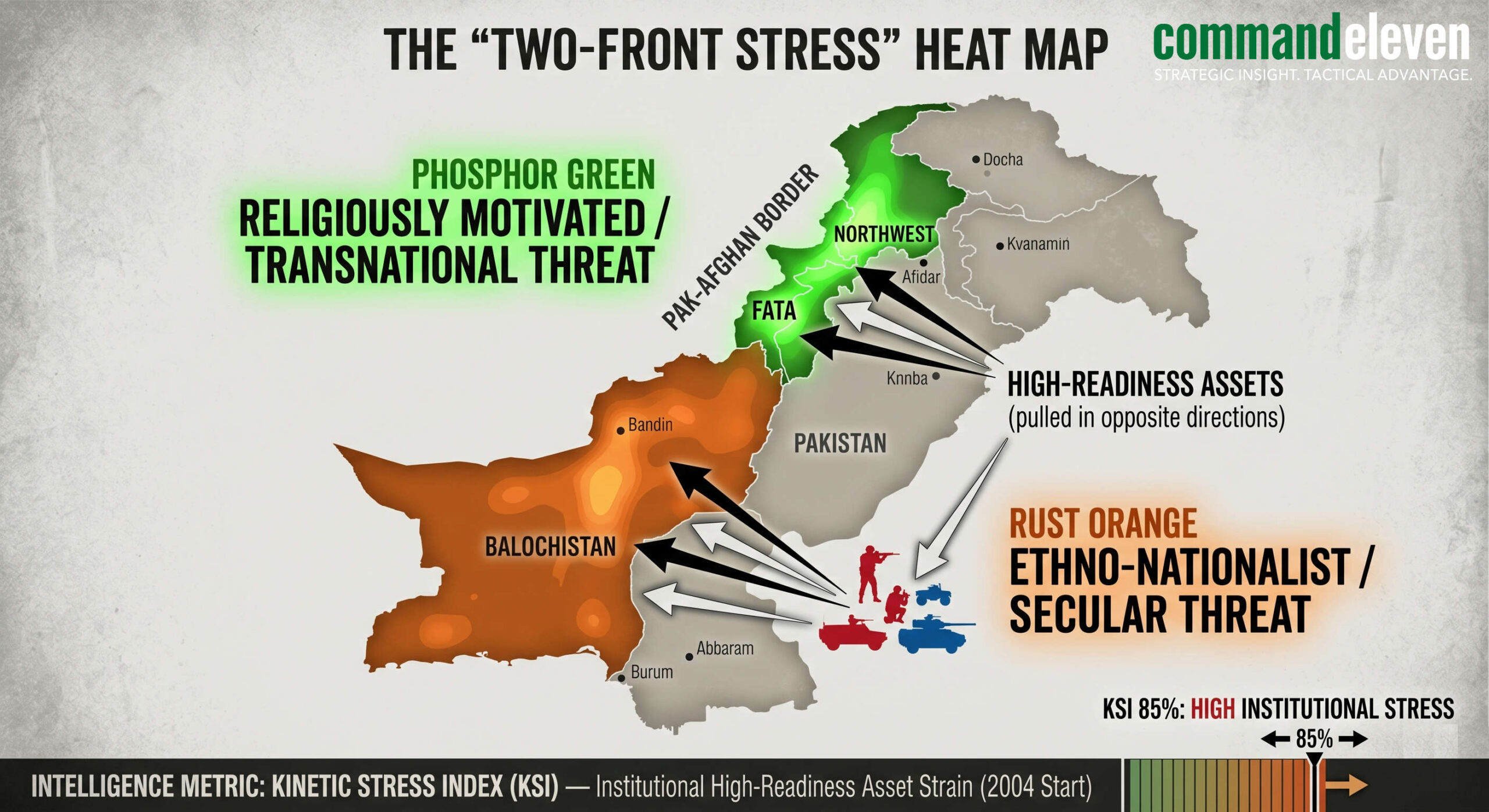
The Miranshah Accord was the culmination of two years of high-friction operations (Operation Al-Mizan) that yielded high state casualties without achieving permanent administrative consolidation. The agreement was a formal acknowledgement of a “Doctrinal Chasm”—the state’s inability to maintain Administrative Persistence in the face of an ideological insurgency.
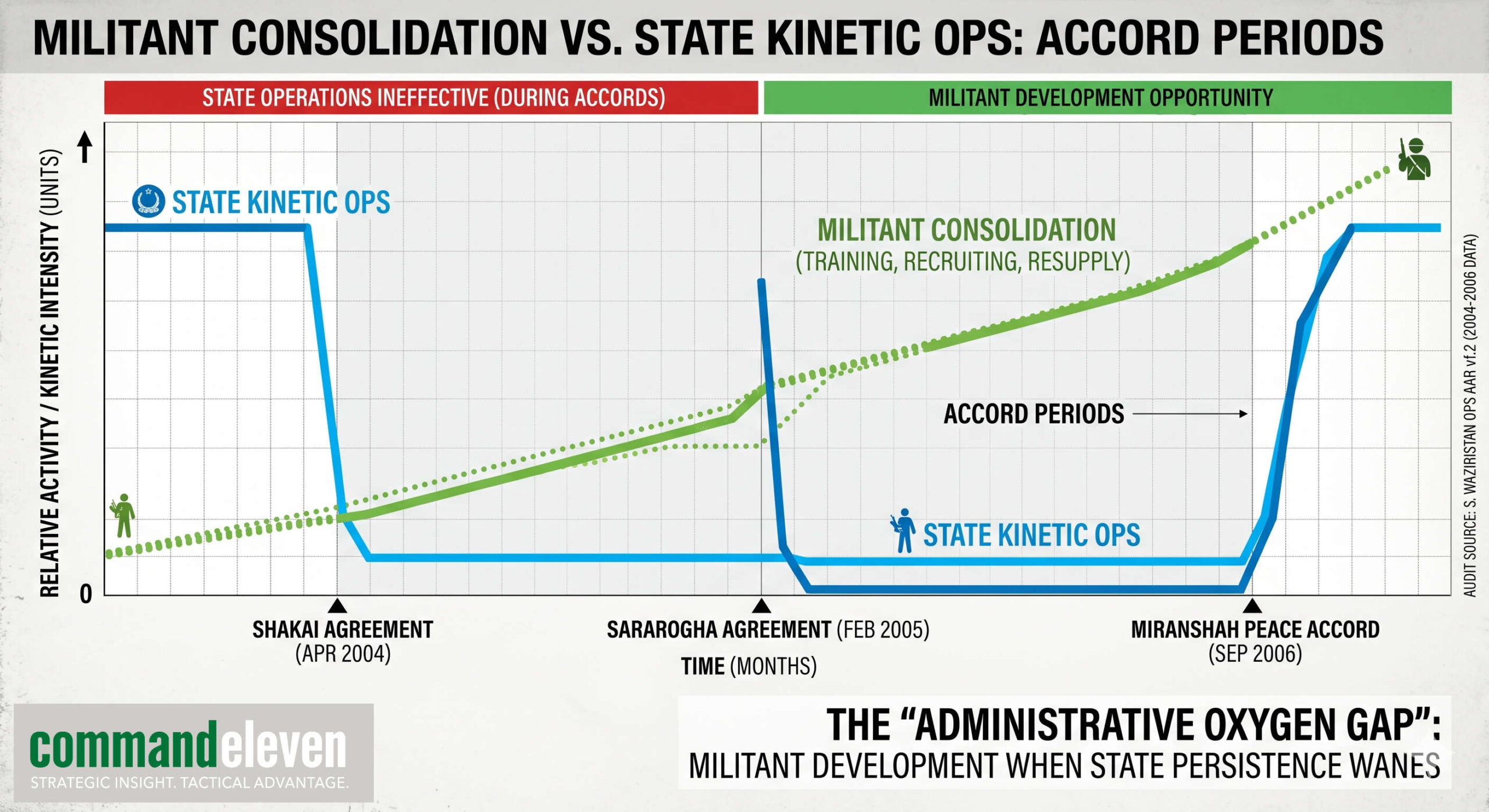
- Recognition of Belligerence: By signing a formal 16-point treaty with a militant shura, the state transitioned the conflict from a criminal-insurgent matter to a negotiated political dispute. This provided the militants with Administrative Oxygen, allowing them to project themselves as legitimate regional governors.
- Cession of Control: The state agreed to withdraw from strategic checkposts, return seized assets, and release high-value detainees. This withdrawal created a Logistical Sanctuary in North Waziristan, enabling foreign fighters and local militants to reorganize without the friction of state surveillance.
The “Nursery Period” for the TTP
The ceasefire provided by the accord acted as a subsidy for the insurgency’s growth. During this period, the militants transitioned from fragmented militias into a consolidated shadow state.
- Systemic Purges: The absence of state security allowed militants to assassinate pro-state tribal elders with impunity, effectively dismantling the local traditional authority structure that had historically balanced the region.
- Shadow Governance: In the vacuum left by the state’s retreat, militants established FM radio stations, shadow courts, and localized taxation systems. This proved that territorial clearance (Kinetic dominance) is a temporary state unless followed by Administrative Utility.
The Lal Masjid Trigger (July 2007)
The collapse of the Miranshah Accord was as inevitable as its tactical failure. The July 2007 Lal Masjid siege acted as the kinetic catalyst. The militants in Waziristan—now fully regrouped, consolidated, and well-funded thanks to the 2006 “Operational Pause”—unilaterally scrapped the treaty and launched a multi-front war against the state.
Technical Data: The Subsidy of Peace
Metric | Pre-Accord (Q2 2006) | Post-Accord (Q3 2007) | Delta (%) |
Suicide Attacks (National) | 2 | 15 | +650% |
Militant Force Strength | ~2,500 (Fragmented) | ~15,000 (Consolidated) | +500% |
Administrative Presence | Limited | Zero-State | -100% |
Clinical Conclusion
The Miranshah Accord remains the definitive study in the failure of Reactionary Kineticism. It prioritized a temporary cessation of hostilities over the long-term integrity of the state’s writ. The agreement proved that in asymmetric warfare, a pause in kinetic operations without an increase in administrative persistence is simply a subsidy for the next, more lethal phase of the insurgency.