
Strike Back Capabilities and Escalation Potential – Part 5
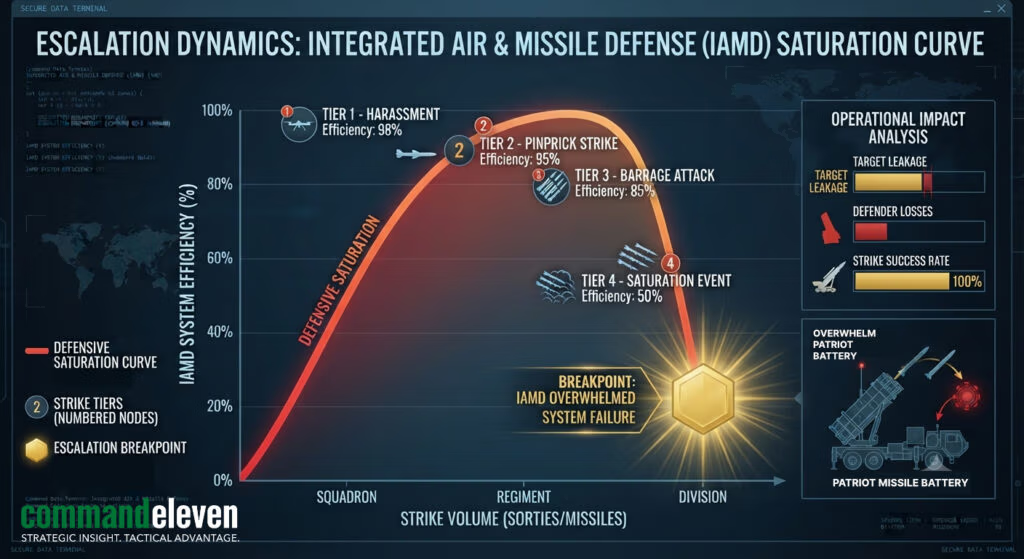
Part 5: Iran’s three-tier missile and drone strike-back capability, the saturation limits of regional air defenses, and where escalation breaks loose.
EW and RF Spectrum Contention: Iranian Defensive Architectures
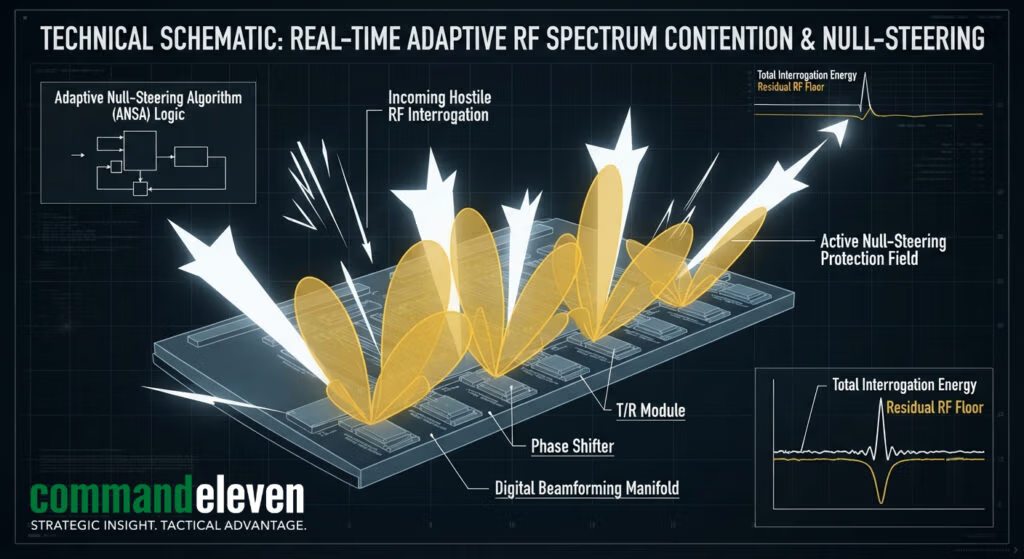
Part 5: how Iran uses jamming, frequency hopping and radar deception to shield mobile launchers and degrade adversary sensors, and where it stays exposed.
The Information War: US vs. Iran Cognitive Warfare
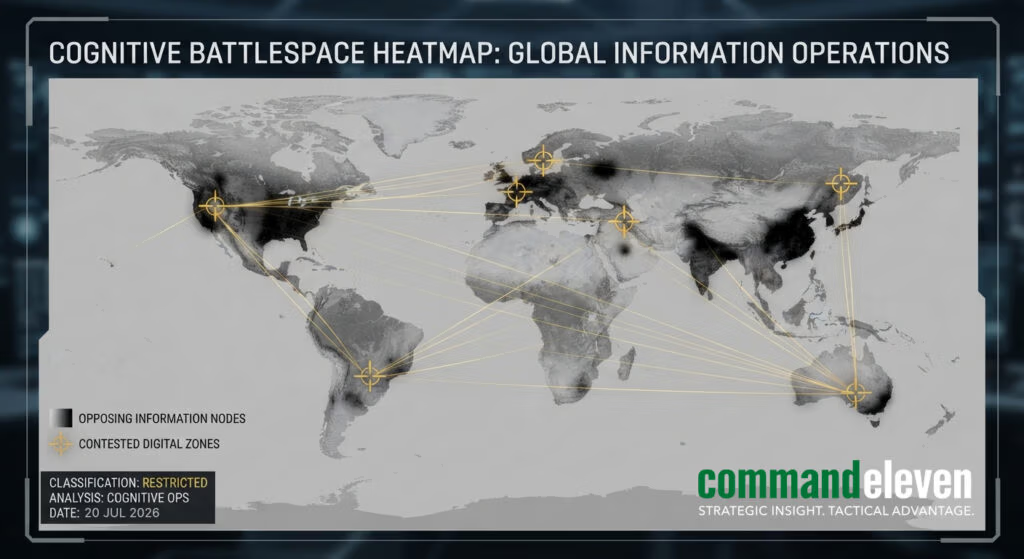
Part 4: why Tehran’s fast, decentralized influence operations outpace slower US messaging in the information war, and how deepfakes may raise the stakes.
The Logistics of Resilience: Iranian Shadow Supply Chain

Part 2: the dark-fleet transfers, overland relays and hawala clearing behind Iran’s shadow supply chain, and where it is most exposed to interdiction.
Strategic Depth and Asymmetric Attrition – Iran

Part 1: how the IRGC Quds Force swapped territorial defence for ‘Forward Defense’, using Lebanese and Yemeni proxies to impose a costly attrition cycle.
Defa-e Mozaik (Mosaic Defense) and the Asymmetric Deterrence Continuum – Part 6
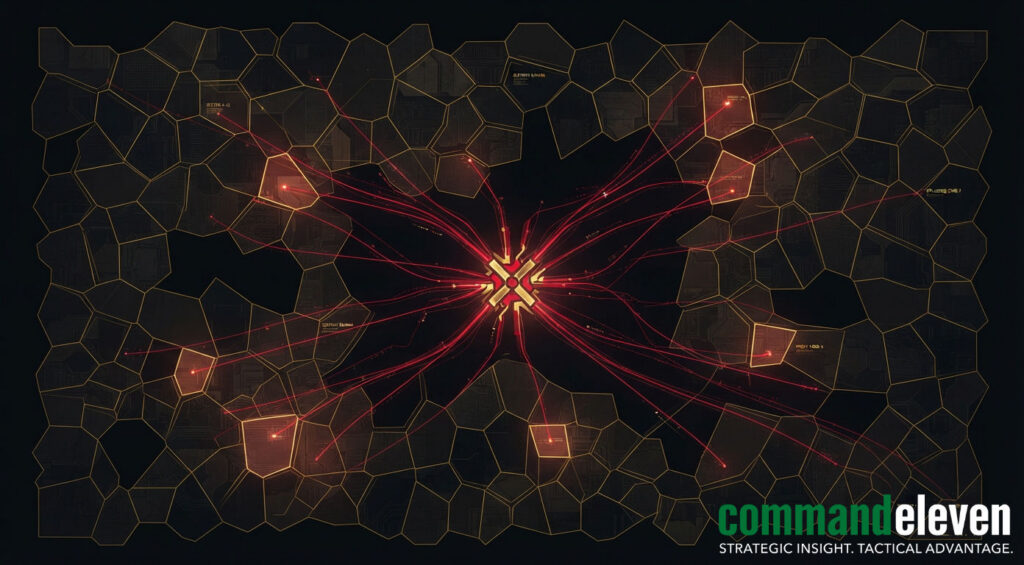
Defa-e Mozaik (Mosaic Defense): the IRGC doctrine for integrating unconventional, multi-axis capabilities against superior foes.
Command Hierarchy and Institutional Architecture of the IRGC – Part 2
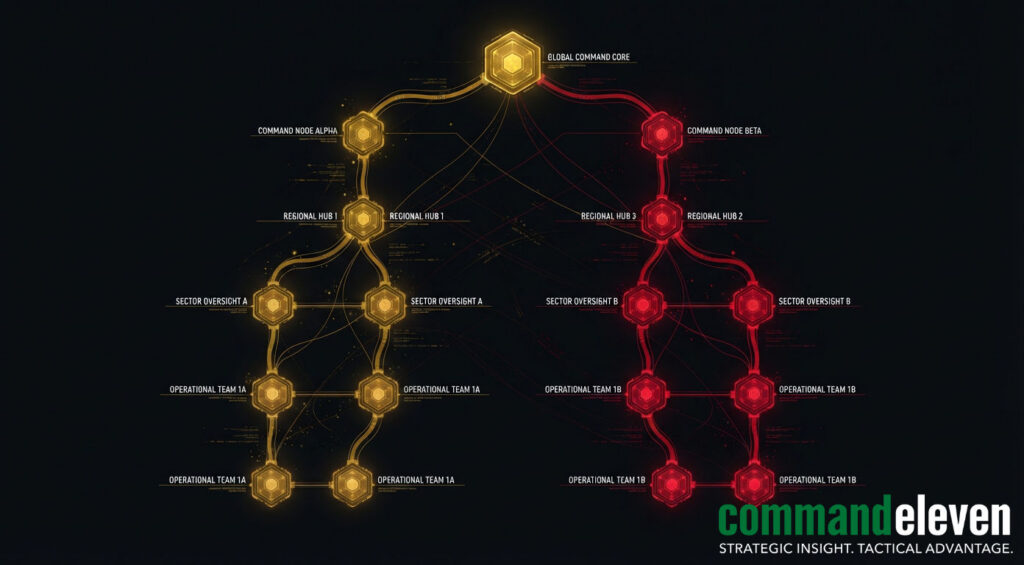
The IRGC’s command hierarchy and institutional architecture, and how it bypasses the Iranian state to run regional strategy.
The Architecture of Regional Defiance – Part 1
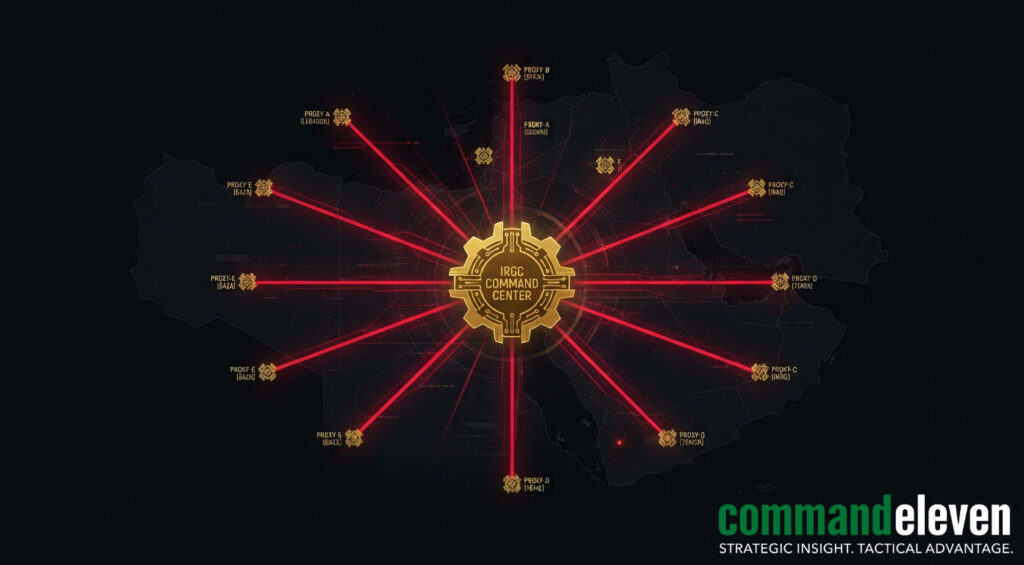
How the IRGC operates as a parallel military state, building a multi-axis theater from western Iran to the Bab el-Mandeb.
China’s 2026 Iran Strategy: Munition Attrition Analysis

Analyzing China’s 2026 Iran strategy: Munition attrition and the rare earth veto. High-level geopolitical risk and theater-level impact assessment.
Iran’s Invisible Army: The Basij Force and the Real Power Behind the Regime
The hidden militia controlling Iran from within: the Basij Force, its structure, size and role in the regime.