Since September 2021, and the US withdrawal from Afghanistan, Pakistan has been a regular target for coordinated terror attacks by the Tehreek-e-Taliban Pakistan (TTP), denials from the Taliban regime in Afghanistan, and rhetoric from India, while they funded and orchestrated the terror attacks against Pakistan.
Yesterday, in Orakzai Agency, 18 Pakistan Army soldiers, including 2 officers were killed in a Tehreek-e-Taliban Pakistan ambush as a military convoy was returning from the Afghanistan border. This was our 500+ martyrdom of a soldier/officer to terrorism.
In the National Assembly, the Defence Minister, Khawaja Asif, spoke very clearly to the Taliban and the TTP that Pakistan has had enough of the inaction, announcing that whether the terrorists and facilitators are in Afghanistan or Pakistan, they will be brought to justice.
We, at CommandEleven, have long been hostile with the Pakistan Army on the counter terrorism strategy, or lack thereof.
Tonight seems to be a night of retribution against the Tehreek-e-Taliban Pakistan (TTP) inside Afghanistan.
Timeline of Attacks inside Afghanistan
Let’s see if we can summarize what is being circulated:
– 10 pm Thursday night Pakistan Standard Time (PST)
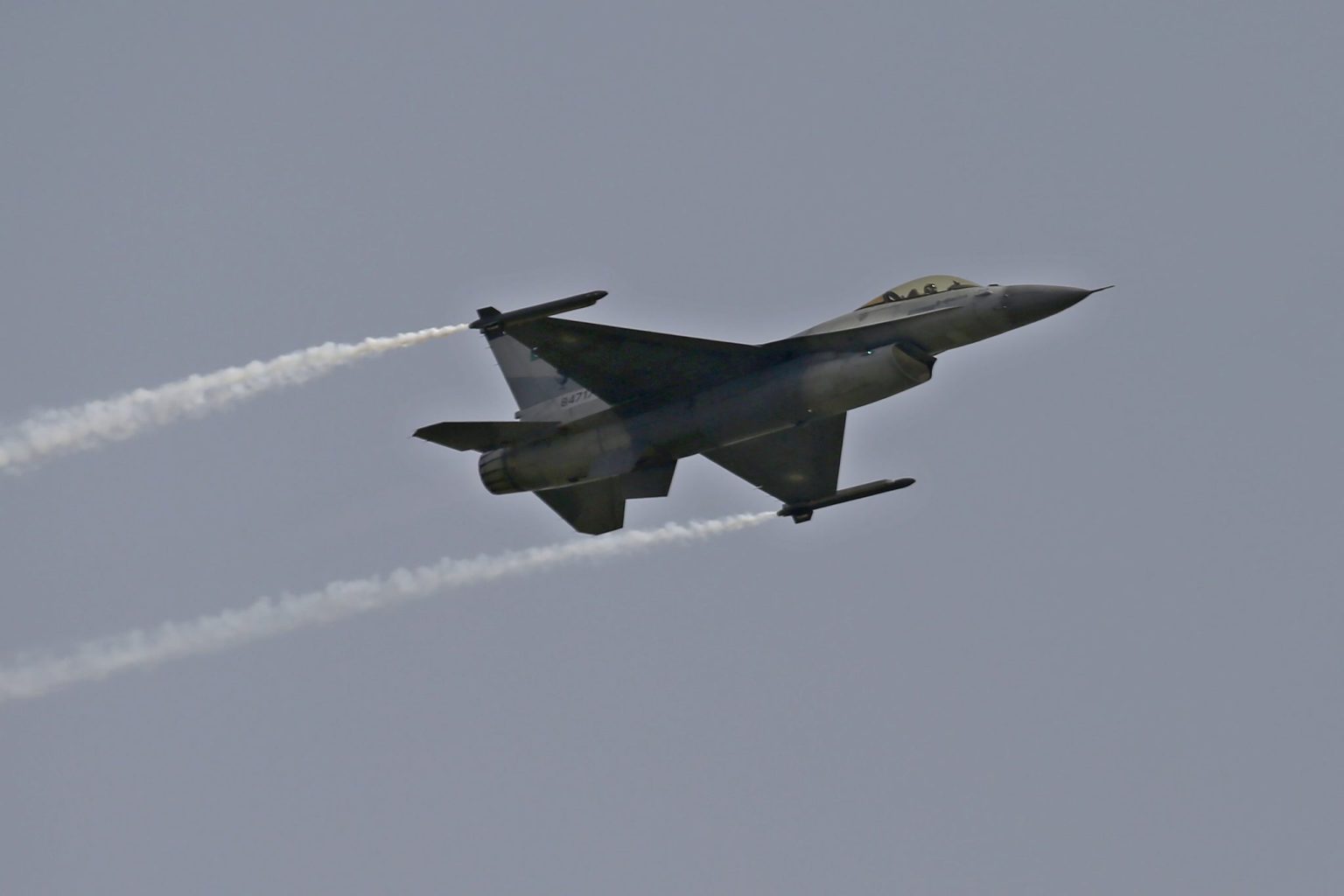
The Pakistan Air Force carried out targeted strikes on both safe houses and vehicles where Noor Wali Mehsud, Qari Saifullah Mehsud and Khalid Mehsud (considered to be the natural successors to NWM) and other TTP leadership was staying in Kabul.
The strike was coordinated in the sense that once the missiles hit, there was heavy gunfire on the ground, which means a cleanup team was in place to make sure the target was neutralized.
The strike was coupled with 4 other strikes inside Kabul
The area where the strikes were carried out is a bunker area, where al Qaeda commanders also seek refuge in Kabul.
11:43 pm PST
Amu, the leading newspaper in Afghanistan, reported that Noor Wali Mehsud was dead. We do have credible independent confirmation that Qari Saifullah Mehsud and Khalid Mehsud have also been killed, leaving a huge vacuum in the TTP leadership.
~ 12 am PST
Details released of a successful counter terror operation by the Pakistan Army in Orakzai Agency. The camp that was used to target Pakistan Army soldiers yesterday was collapsed, with 28 TTP terrorist neutralized. A clearance and control operation was launched to secure the area from terrorists.
Soon after, the Pakistan Army Director General – Inter Services Public Relations (equiv Pentagon spokesman) announced a press conference in Peshawar, Khyber Pakhtunkhwa Friday at 2:30 pm, giving rise to the belief that Noor Wali Mehsud had been killed.
~ 12 am PST
Reports started to surface of explosions in Jalalabad, Afghanistan and Hayatabad, Peshawar, Pakistan.
~ 1 am PST
Reports that Pakistan’s UAVs and Air Force had aerial control over 4 Afghan cities that serve as TTP hubs, whether training or supply. This is unconfirmed intelligence or RUMINT.
~ 2 am PST
Reports of explosions at Margha Bazaar in Paktika province, Afghanistan.
Margha Bazaar is a known logistical & smuggling hub for TTP near the Pakistan border, which has long served as a conduit for weapons, narcotics & military equipment funnelled into Pakistan for terrorist operations.
Reports confirm that the route has been severely compromised, with numerous warehouses and command centers wiped out.
~ 3 am PST
Reports of airstrikes/UAV strikes in Jalalabad and Khost.
Khost is extremely important for 2 reasons.
- Khost is the key safe haven for the TTP leadership and training operations in Afghanistan
- It is also the home of Sirajuddin Haqqani and the Haqqani Network
Pakistan Army associated X handles, meaning handles that are supported by the Army, are reporting, since 2 am, that numerous strikes are being carried out inside Afghanistan on TTP training, warehouses and command centers along the border region, which means Paktika, Paktia, Nuristan, Khost and Kunar provinces.
This is RUMINT currently.
And the night is not over yet.
Selection of Timing for Retribution
We can be sure that this timing was selected specifically because the Amir Muttaqi, the Taliban’s Foreign Minister, is currently in New Delhi on a 6-day visit along with members of Taliban intelligence (GDI). This clearly shows the Taliban that, while they may be ready to prostrate themselves before India against Pakistan, India is not willing to lift a finger to protect the Taliban when their asymmetric warfare plans come crashing down.
A hard lesson that needed to be taught to the Taliban leadership, which was demonstrated in graphic detail on the night of 9 October, 2025.
This post will be updated as we get more intelligence on on-going air operations.
OPERATIONAL INSIGHT: To evaluate the technical frameworks CommandEleven utilizes to mitigate these specific risks, view our Intelligence Operational Architecture or explore our broader Government and Defense portfolio.