
OPERATIONAL ARCHITECTURE // DIVISION // INTEL
INTELLIGENCE DIVISION //
Home » Services » Intelligence Analysis » Intel Division – Operational Architecture
MANDATE //
The systematic harvesting and synthesis of ground-truth data to eliminate strategic ambiguity.
HUMINT Management //
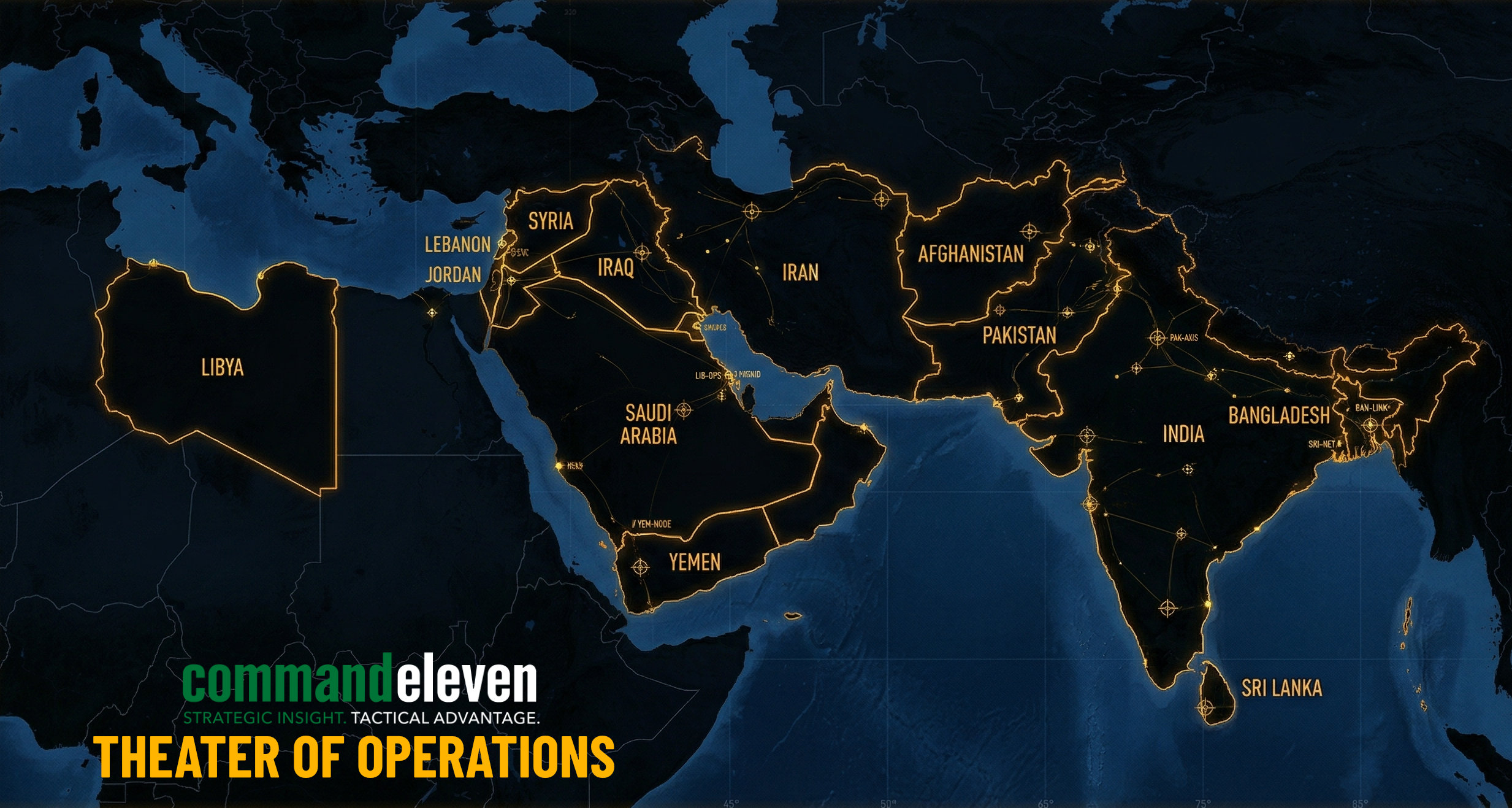
Oversight of deep-cover assets across the Middle East and South Asia.
Multi-Source Synthesis //
Integration of SIGINT and OSINT to validate field reports.
Pattern Analysis //
Identifying historical echoes in modern conflict precursors.
OPERATIONAL DOCTRINE //
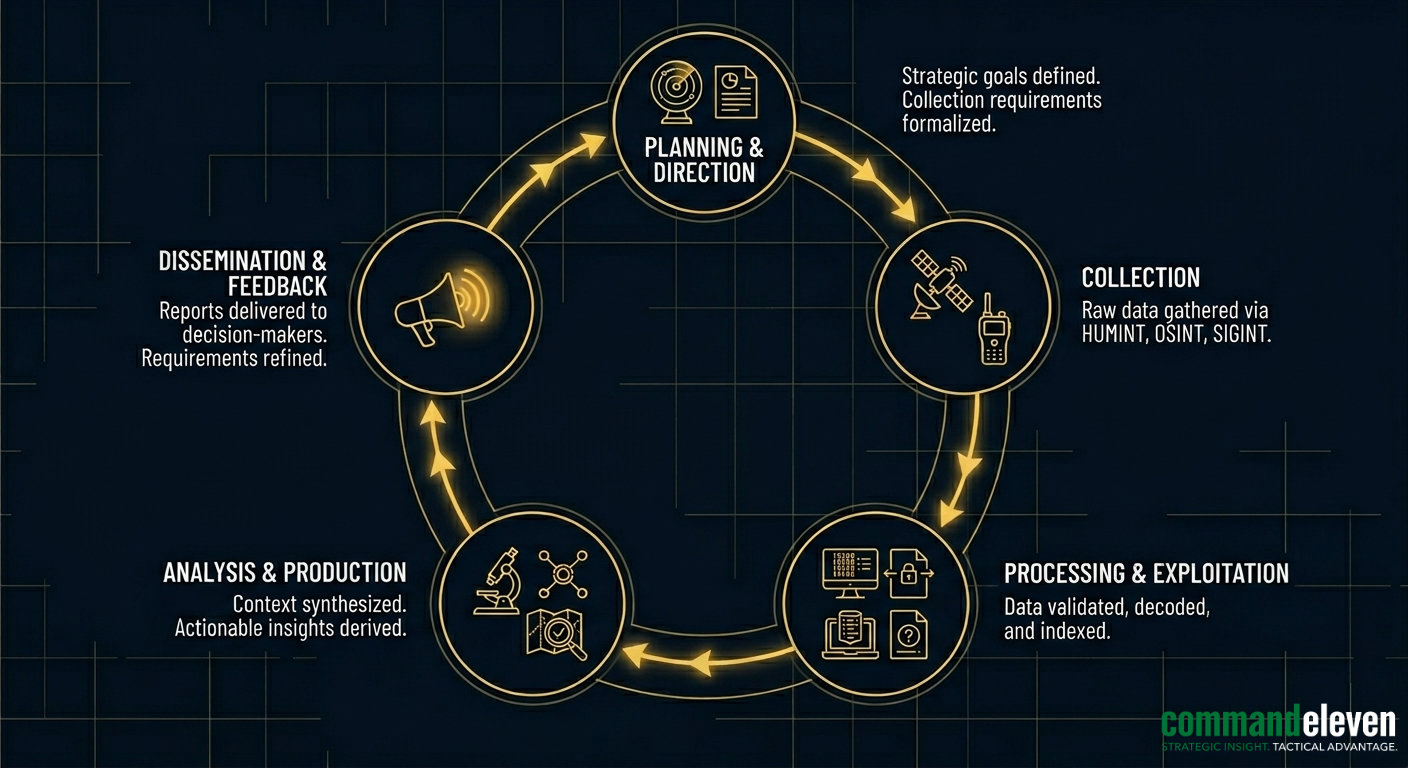
Intelligence Division assets prioritize the Validation Phase. Every data point harvested from the theater is subjected to a “Triple-Node Verification” process—cross-referencing HUMINT with technical signatures to ensure a zero-point margin of error before dissemination.
VALIDATION PROTOCOLS // OVERSIGHT
The Intel Division operates under a Zero-Point Margin of Error mandate.
Every data point harvested from the theater is subjected to the following Triple-Node Verification protocol before it is promoted to the Synthesis phase.
REDUNDANCY SCAN //
Raw HUMINT is cross-referenced against independent field assets within the same operational node. No single-source report is considered verified without a secondary, independent confirmation of the event or intelligence.
TECHNICAL CORRELATION //
Validated HUMINT is overlaid with available technical signatures, including OSINT (Open Source Intelligence) and SIGINT (Signal Intelligence) metadata. This ensures that the human reporting aligns with the digital and technical footprint of the theater.
TEMPORAL AUTHENTICATION //
Reports are analyzed for latency. Data is authenticated by its proximity to the event, ensuring that the information provided is not a legacy narrative but a real-time tactical specification.
OPERATIONAL REACH //
INTELLIGENCE BRIEFS //
Iran Sanctions 2026: Trump’s Toolkit vs. China’s Defiance
How Trump’s sanctions toolkit, a Hormuz blockade, and China’s open defiance are reshaping economic pressure on Iran — and who is footing the bill.
South China Sea Surveillance: PRC Sensor Grids, Maritime Militia Architecture, and Allied ISR Counter-Postures
Technical assessment of PRC sensor grids, maritime militia deployment patterns, and allied intelligence, surveillance, and reconnaissance counter-postures across the South China Sea.
South China Sea Surveillance Networks: PRC Maritime Domain Awareness, Outpost Sensor Density, and Gray-Zone Interdiction
Technical assessment of PRC maritime domain awareness networks, fortified outpost sensor density, and gray-zone interdiction architectures across the South China Sea.
South China Sea Surveillance Architecture & Tracking
Technical assessment of South China Sea maritime domain awareness, including dark fleet tracking, subsea hydrophone networks, and integrated sensor grids.
South China Sea Maritime and Aerial Surveillance Infrastructure: Technical Assessment
Technical intelligence assessment examining maritime surveillance networks, aerial radar tracking coverage, and sensor architectures across the South China Sea theater.
ASEAN Cyber Espionage Analysis | Mustang Panda & Salt Typhoon TTPs
Deep-dive technical analysis of ASEAN cyber espionage operations in 2026, profiling Mustang Panda’s CoolClient backdoor execution chain and Salt Typhoon’s telecommunications infrastructure intrusions.