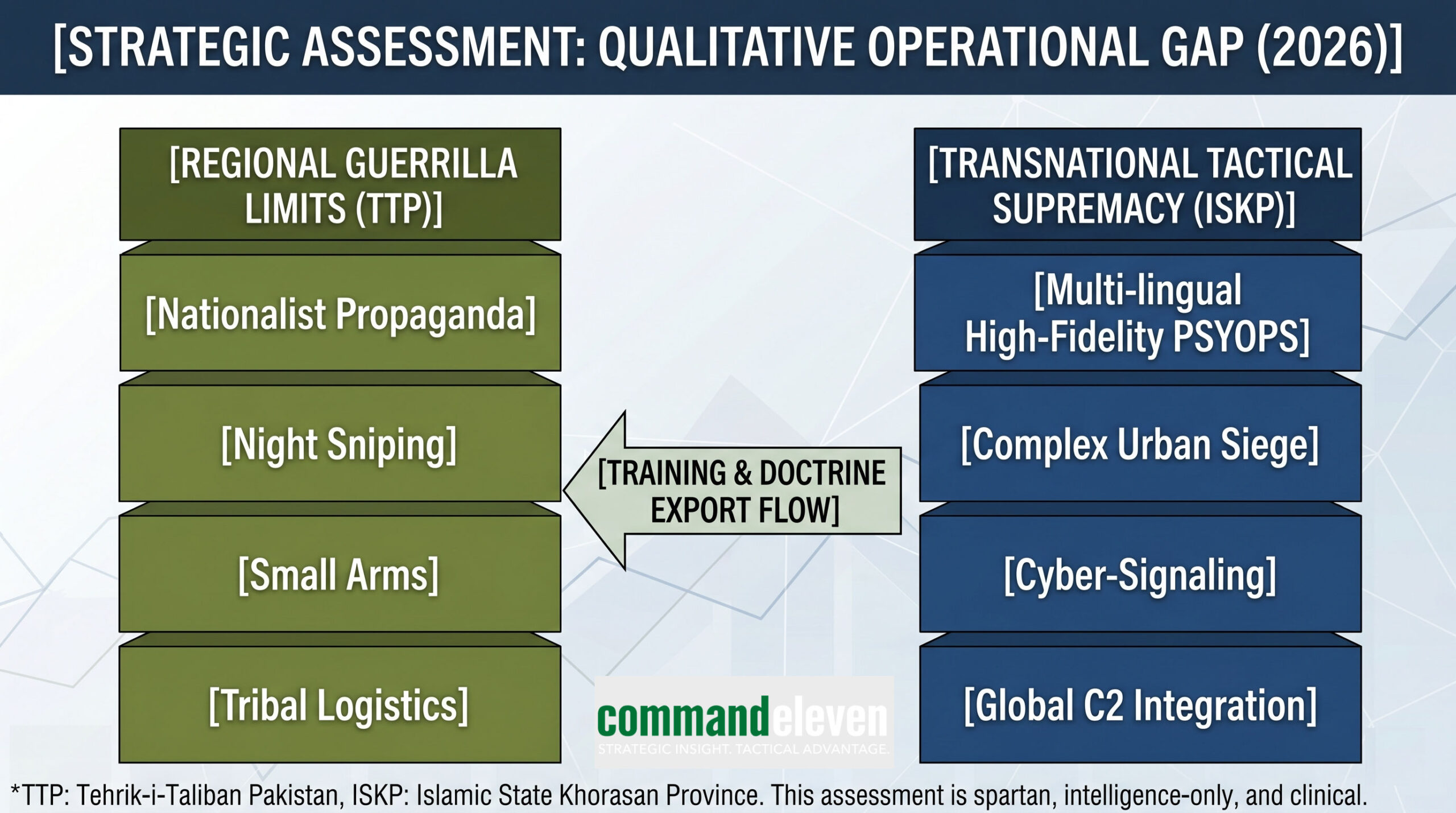
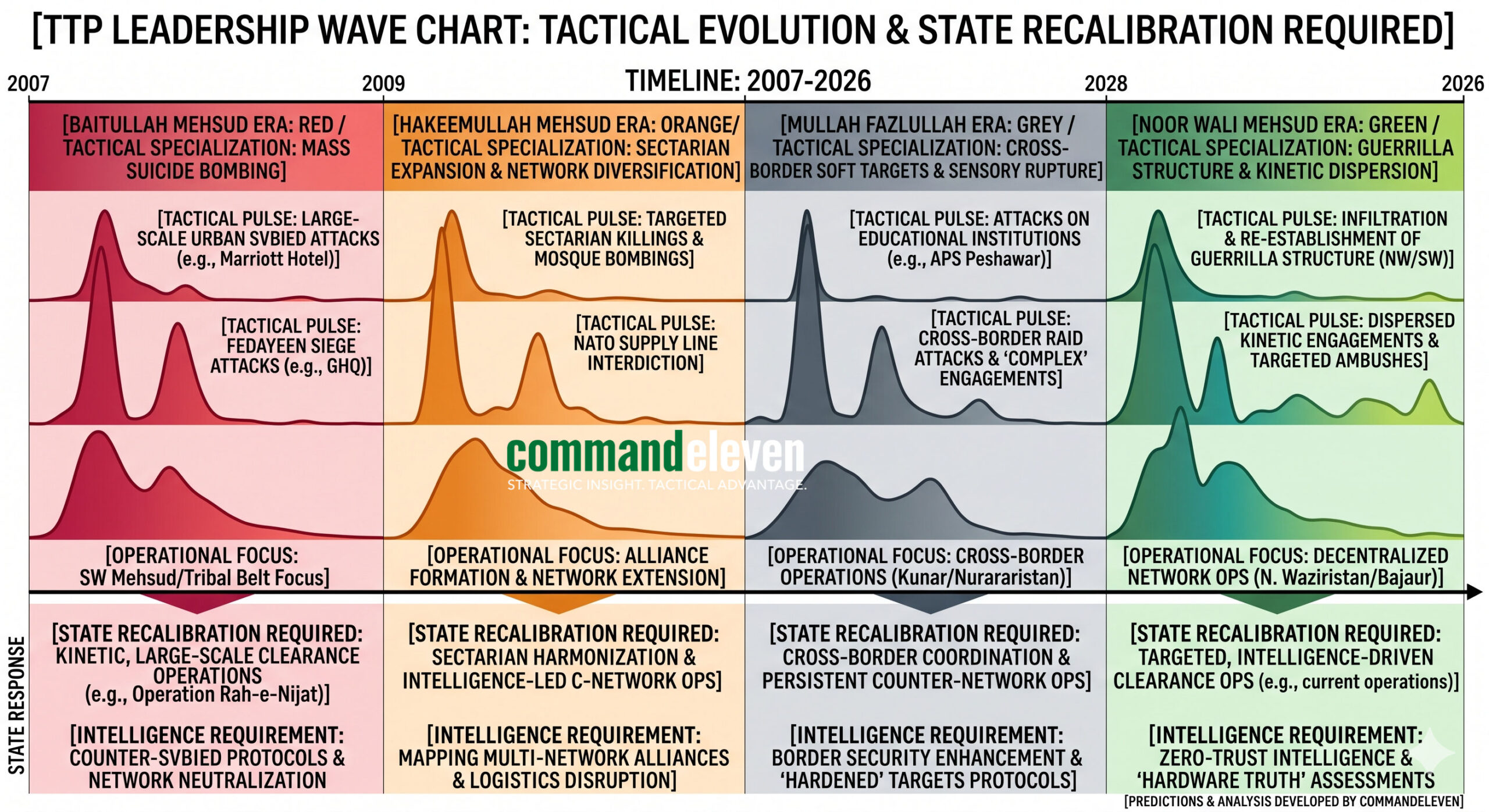
BLUF: The 2026 threat landscape is characterized by a widening qualitative gap between the Islamic State Khorasan Province (ISKP) and the Tehreek-e-Taliban Pakistan (TTP). While the TTP has adopted a disciplined, localized guerrilla model , ISKP has achieved Tactical Supremacy, functioning as a globally integrated strategic engine that outmatches the TTP in complexity, technological depth, and transnational reach.
Operational Comparison Matrix
Feature | TTP (Guerrilla Framework) | ISKP (Tactical Supremacy) |
Primary Objective | Territorial/Political concessions in Pakistan. | Global Caliphate and transnational attrition. |
Target Selection | Strictly military, intelligence, and LEA targets. | High-lethality, non-discriminatory, and international targets. |
Tactical Method | Hit-and-run ambushes, IEDs, and sniper fire. | Complex suicide missions, urban siege tactics, and cyber-signaling. |
Command Logic | Centralized Bureaucracy (Al-Qaeda model). | Integrated into the ISIS Global Core Shura. |
Optics/Propaganda | Localized, regional languages (Nationalism). | High-fidelity, multi-lingual, global recruitment standard. |
Technical Analysis: The Qualitative Gap
The TTP’s “Guerrilla Glass Ceiling”
The TTP’s operational scope is restricted by the Noor Wali Manifesto, which mandates survival over maximum lethality.
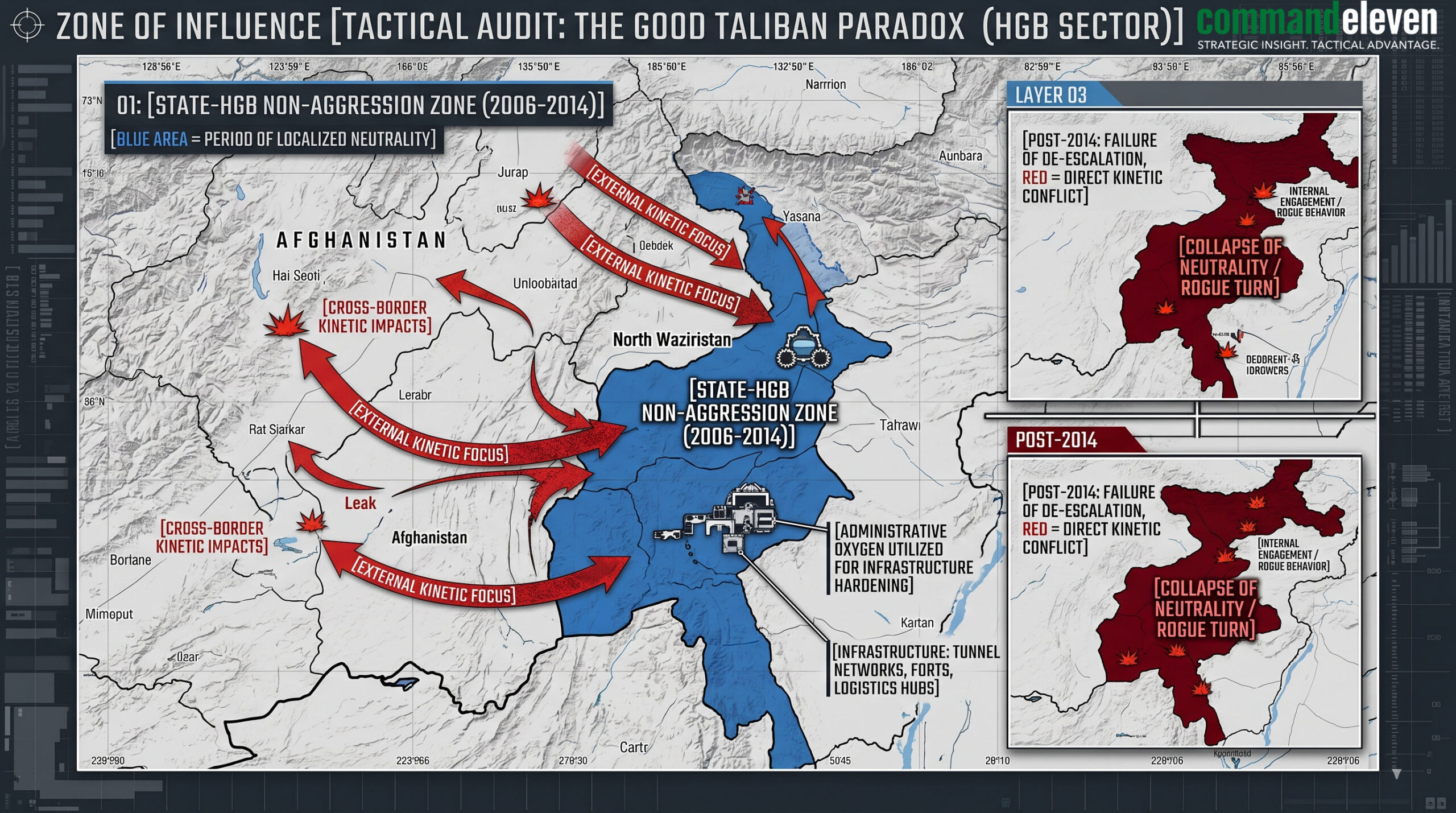
- Localized Constraints: Their strategy is governed by the necessity of maintaining tribal hospitality and avoiding the public backlash that followed previous indiscriminate massacres.
- Hardware Utility: Although they maintain Technological Parity through acquired NATO hardware, its application is limited to tactical tasks such as night-sniping rather than broader strategic objectives.
ISKP’s Strategic Apex
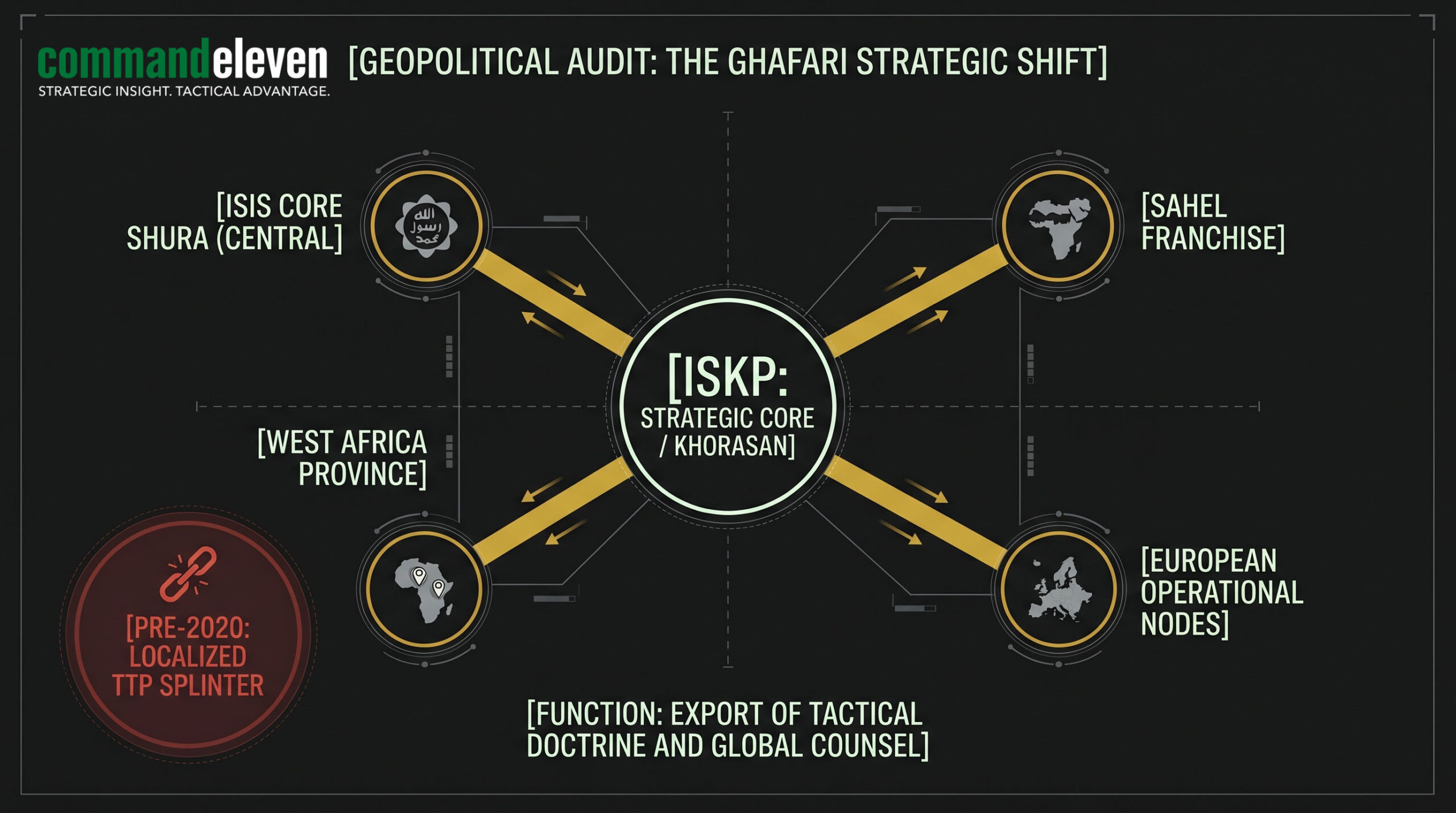
Following the “Ghafari Shift,” ISKP has evolved beyond a regional insurgency.
- Global Advisory Role: ISKP currently provides tactical and strategic counsel to ISIS franchises globally, setting the operational standard for the entire network.
- Sophistication of Violence: High-complexity planning, such as the Abbey Gate attack, demonstrates a capacity that ignores the domestic “nationalist” constraints binding the TTP.
- Training Export: The TTP occasionally relies on ISKP networks for advanced training and propaganda dissemination, indicating a subordinate technical relationship.
The Intersection of Threats
Despite opposing strategic goals, a symbiotic technical flow exists between the two entities.
- Tactical Cross-Pollination: Defectors from the TTP frequently migrate to ISKP when they reject the TTP’s “nationalist” rebrand in favor of a transnational vision.
- Logistical Overlap: Both groups exploit the Pakistan-Afghanistan border and the vacuum left by the 2021 US withdrawal. However, ISKP utilizes this space for global projection, while the TTP uses it for regional survival.
Clinical Conclusion
ISKP is confirmed as the more dangerous strategic adversary in 2026 due to its lack of operational inhibitors and its apex position within global ISIS command. While the TTP remains a lethal regional threat, it is confined by its own manifesto. ISKP represents the evolution of asymmetric warfare into a globally integrated, tactically superior doctrine that outpaces traditional insurgent models.