Executive Summary
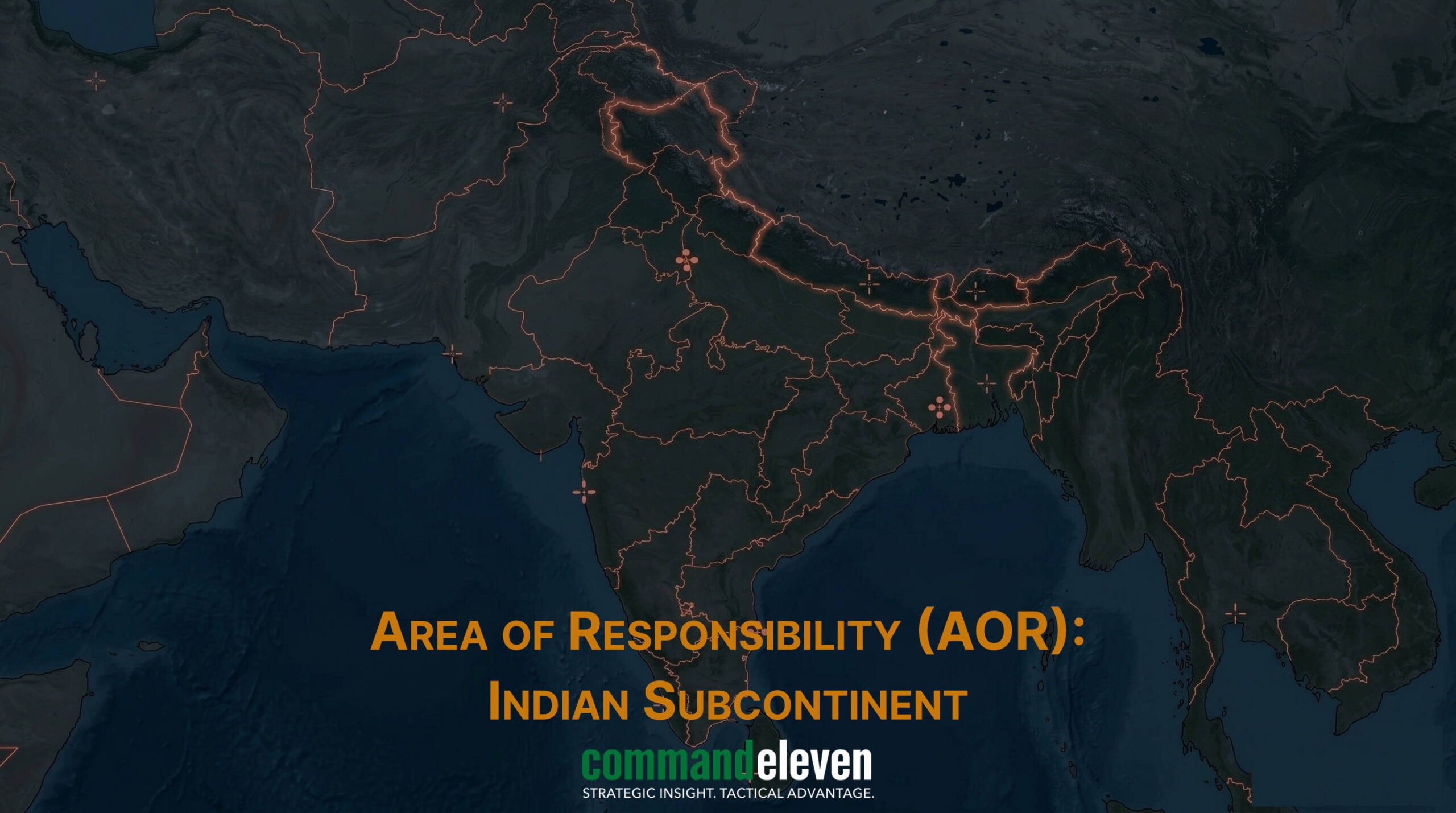
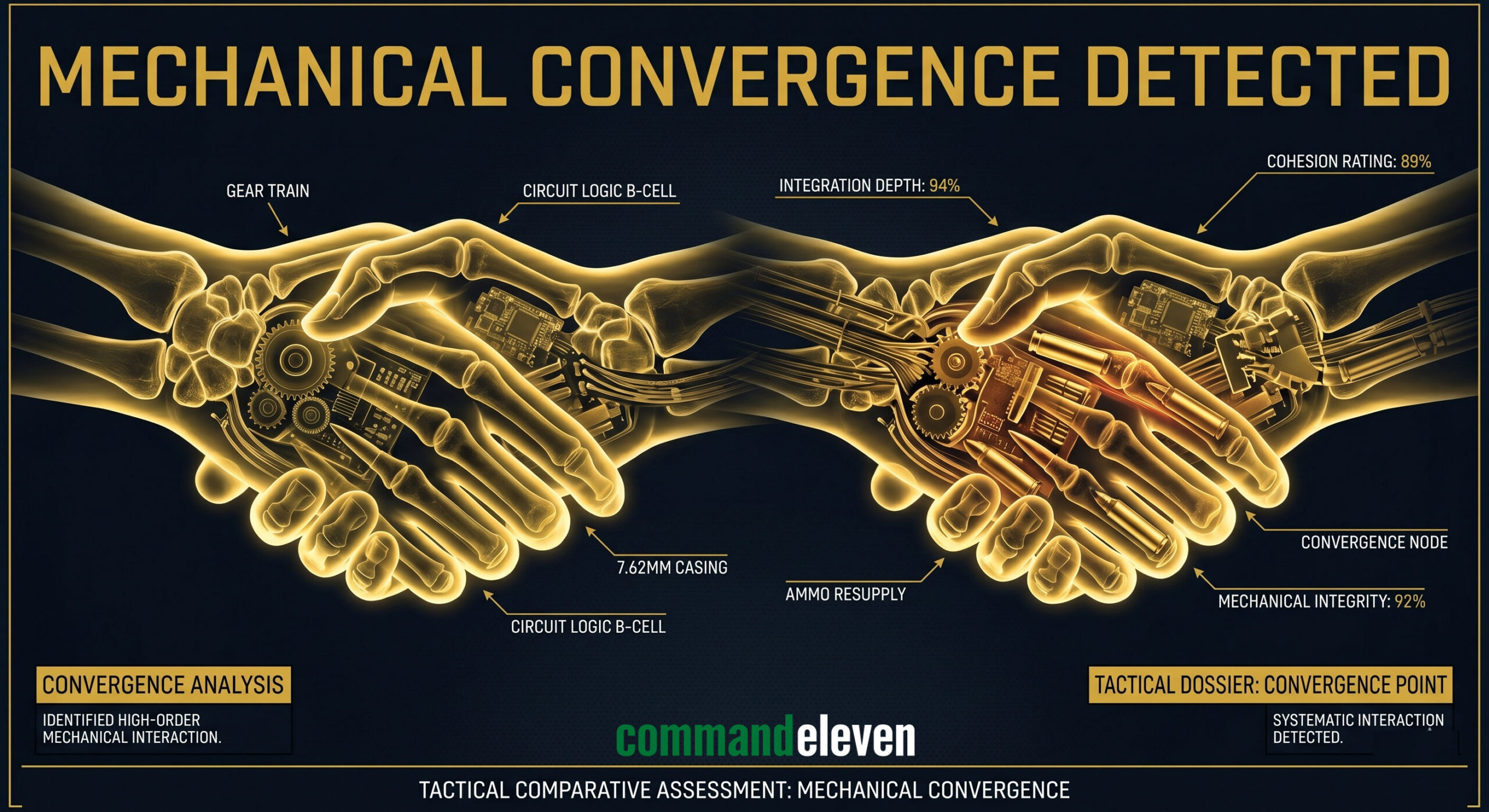
This dossier deconstructs the strategic mirage of ideological rivalry between the Haqqani Network (HQN) and ISKP. A clinical audit of the Pakistan-Afghanistan border reveals a state of Mechanical Convergence, where survival and operational tempo are dictated by a shared logistical architecture rather than sectarian purity. By utilizing a “Landlord-Tenant” model for transit corridors and a stigmergic financial network, the Asymmetric Triad ensures a perpetual state of kinetic multiplicity. This convergence is specifically engineered to exploit the state’s Persistence Gap, keeping security forces locked in a reactive “Clear” phase while the adversary maintains administrative depth.
3 Key Takeaways
- Logistical Symbiosis: The relationship is defined by a “Hardware Handshake”,shared transit ratlines, technical expertise in IED construction, and decentralized financial nodes that bypass state interdiction.
- Operational Sanitization: The convergence allows HQN to maintain political and strategic leverage while utilizing ISKP as a kinetic accelerator to take the international heat for high-impact urban strikes.
- Targeting Logistics over Identity: Counter-insurgency efforts that focus on targeting specific “groups” or “ideologies” fail because they ignore the shared mechanical baseline; effective interdiction requires a shift to disrupting the physical corridors of the handshake.
The Illusion of Rivalry: Deconstructing the Kinetic Narrative
Standard OSINT assessments consistently characterize the relationship between the Haqqani Network (HQN) and the Islamic State Khorasan Province (ISKP) as one of irreconcilable ideological conflict. This narrative is a strategic mirage. While kinetic friction exists at the tactical periphery, a clinical audit of the Pakistan-Afghanistan border reveals a deep, underlying Mechanical Convergence.
In the asymmetric theater, survival is dictated by the efficiency of the logistical supply chain. Ideology is the “Software,” but the “Hardware” is the shared terrain, the clandestine financial nodes, and the movement of specialized personnel. The HQN/ISKP Handshake refers to this functional symbiosis where both entities utilize a unified logistical architecture to maintain their operational tempo against state actors.
The Mechanical Triad: Logistical Interdependence
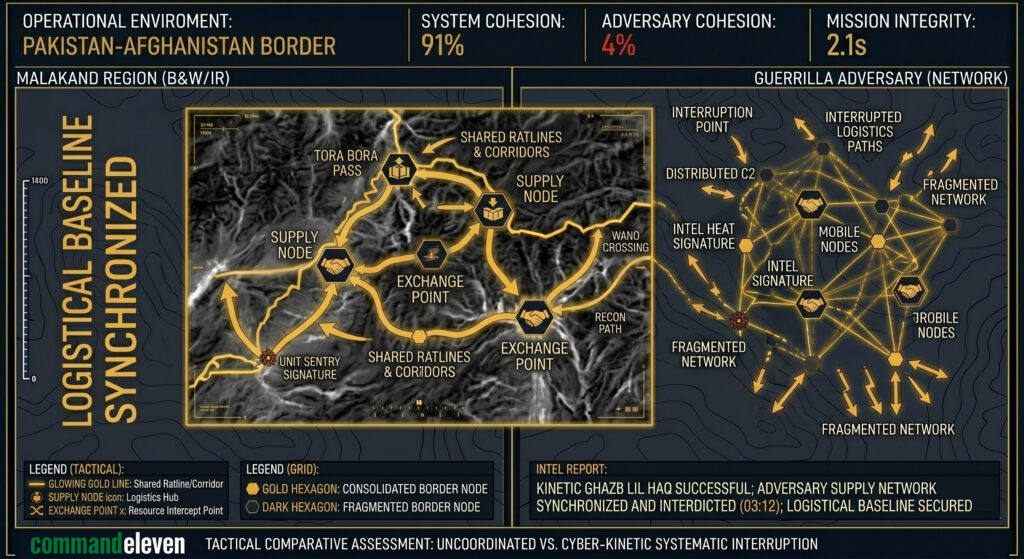
The convergence is anchored in a triad of shared assets that allow both organizations to bypass conventional state interdiction.
Shared Transit Corridors
The geographic reality of the border zones forces a concentration of movement. Our technical mapping confirms that ISKP strike cells utilize HQN-controlled ratlines for the infiltration of high-value targets.
- The Toll System: HQN operates as the “Landlord” of the border corridors. ISKP acts as the “Tenant,” paying for transit through a combination of hardware transfers (weaponry) and financial kickbacks.
- Functional Benefit: This allows ISKP to maintain a low logistical footprint while leveraging HQN’s established, multi-generational persistence in the tribal belts.
Specialized Talent Exchange
The “Handshake” is most visible in the technical execution of complex urban attacks. We identify a recurring
- Hardware Truth: the improvised explosive devices (IEDs) and suicide vests utilized by ISKP strike cells often feature technical signatures and triggering mechanisms identical to those produced in HQN-managed laboratories.
- Technical Synchronization: Personnel with expertise in signal jamming and chemical precursors move fluidly between these organizations, acting as independent contractors within a shared militant ecosystem.
Financial Stigmergy
The financial backbone of this convergence is decentralized. Stigmergic coordination,where the environment itself dictates the action,allows these groups to utilize the same Hawala networks and cryptocurrency laundering hubs without requiring direct command-and-control communication.
Strategic Implications: The Persistence Gap Exploitation
The HQN/ISKP convergence specifically targets the Persistence Gap of the state. By maintaining a state of perpetual kinetic multiplicity, they ensure that the state remains in a permanent “Clear” phase, never progressing to the #72/48 Protocol of administrative hardening.
- The Proxy Mirage: State actors frequently attempt to utilize one group as a proxy against the other. This strategy fails because it ignores the shared logistical baseline. A strike against ISKP hardware often inadvertently damages HQN transit capacity, leading to a reactionary strike from the latter.
- Logistical Oxygen Capture: Together, the triad ensures that the “Logistical Oxygen” of a region,trade, utilities, and movement,remains under shadow control, even if kinetic dominance appears to shift in favor of the state.
Audit Finding: The Failure of OSINT-Only Models
Legacy intelligence models that rely on public statements and “claims of responsibility” are insufficient for detecting the Handshake.
- Kinetic Sanitization: ISKP often claims attacks that were logistically facilitated by HQN to provide the latter with “Operational Sanitization”,allowing HQN to maintain political leverage while ISKP takes the international heat.
- Hardware Signatures: Only technical audits of impact zones reveal the mechanical reality of the convergence.
Doctrinal Response: The Mosaic Counter-Strike
Countering the HQN/ISKP Handshake requires a pivot from targeting “Groups” to targeting “Logistics.”
- Interdicting the Corridors: Efforts must focus on the physical interdiction of shared ratlines rather than the elimination of specific figureheads.
- Hardening the Tiles: Implementation of the #72/48 Protocol in transit hubs to disrupt the “Tenant” access of ISKP strike cells.