
Russia and the Taliban: A Military Agreement Without a Published Text, and What Is Actually Established
Russia and the Taliban signed a military-technical agreement in May. What is confirmed, what is reported, what is unverified, and what has been delivered.
The Taliban at Five: Where the Public Record Differs from IISS
IISS says the Taliban has consolidated power and avoided mass famine. We checked its claims on hunger, revenue, mining, poppy and IS-KP against the public record.
GCTA Foresight Audit, Part 9: ISKP, the Islamic State’s Engine Room
We scored four judgments from our April 2026 assessment on Islamic State Khorasan Province: three partly confirmed and one open, 1.5 of 3. ISKP is a propaganda innovator with external intent, but the UN describes a group rebuilding after setbacks, and we found no coordinated Western campaign and no proof of the funding flows we described.
Do Drugs Still Finance the Taliban? The 2026 Opium Rebound, the Ban and the Missing Revenue Data
The opium economy is back and bigger than a year ago, but no one has shown how much reaches the Taliban state. UNODC measures $525 million in trader income and the UN publishes no Taliban revenue figure. Our assessment: the rebound is real, the revenue claim unproven.
The Taliban Losing Control of Afghanistan: Where the Evidence Shows It and Where It Does Not
The Taliban are losing control at the edges of Afghanistan, not at the center. We weigh the northeast fighting, the Taliban’s recent wins and a reported leadership rift. Our assessment is erosion, not collapse, unless outside backing arrives.
The Makkah Pact’s First Test: Operation Yemen Dawn, Pakistan’s Role, and Iran’s Shrinking Map – Part 1
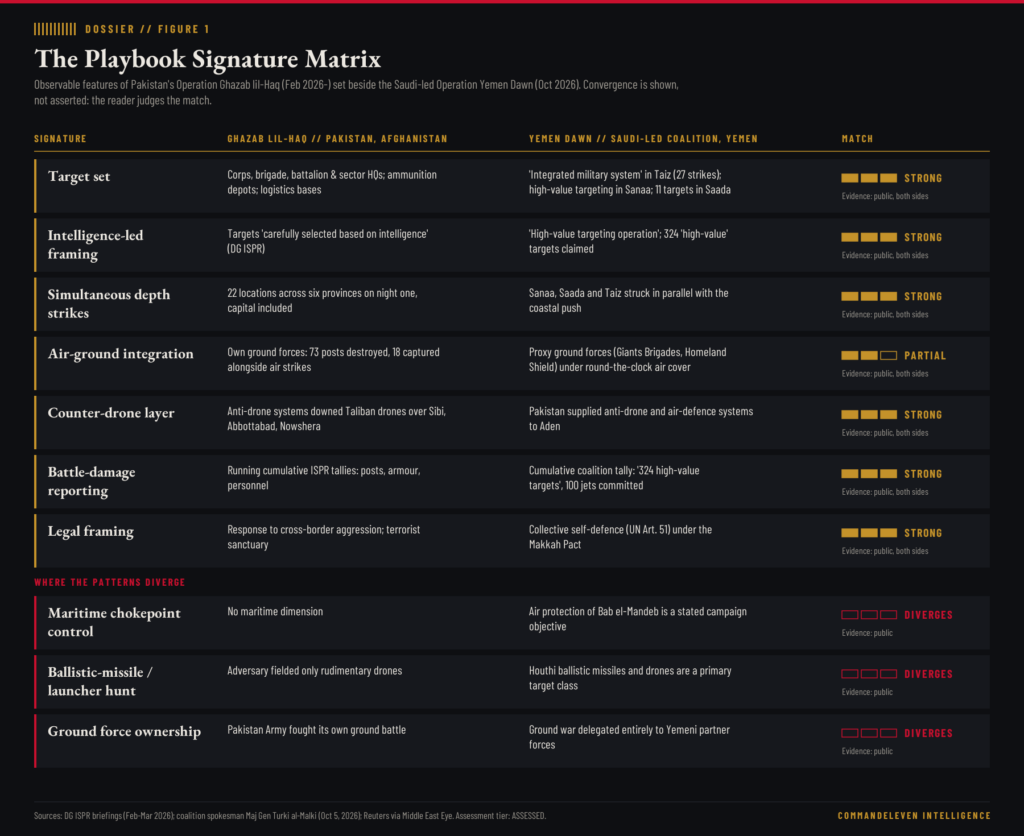
30,000-40,000 Pakistani troops, a Saudi air campaign built on Pakistan’s playbook, and Iran’s shrinking map. CommandEleven Intelligence’s dossier on the Makkah Pact.
Indian Subcontinent Regional Security Seams: Border Vulnerability Audit – Part 2
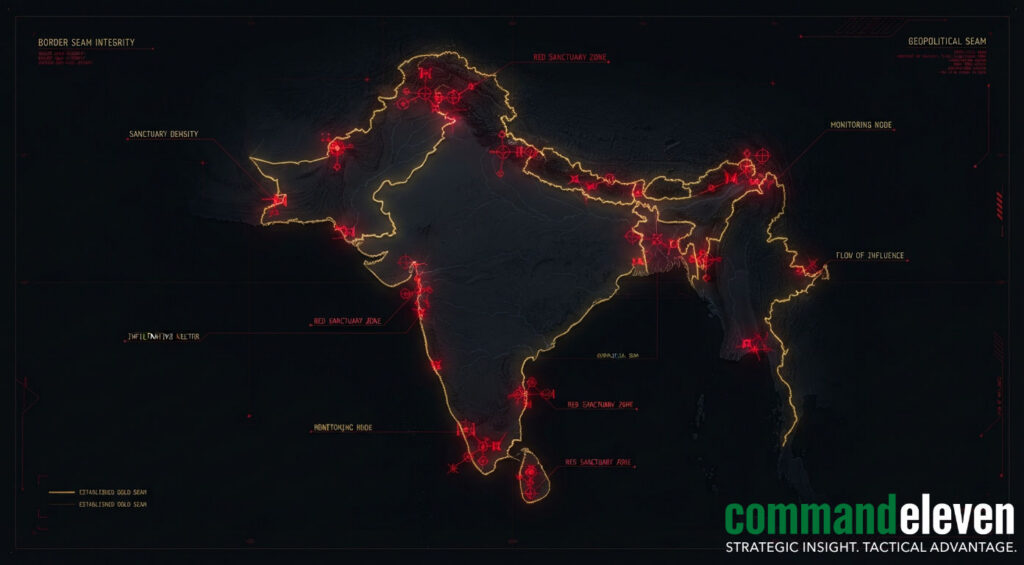
Cross-border friction points, sanctuaries and security gaps along the Indian Subcontinent’s frontier seams.
The Taliban Grid: Hybrid Biometric Threats in Afghanistan

Analysis of the Taliban’s current surveillance capabilities, combining captured US military biometric data (HIIDE/BAT) with modern Chinese facial recognition infrastructure.
Russian Intelligence Assessment: Terrorist Concentrations in Afghanistan
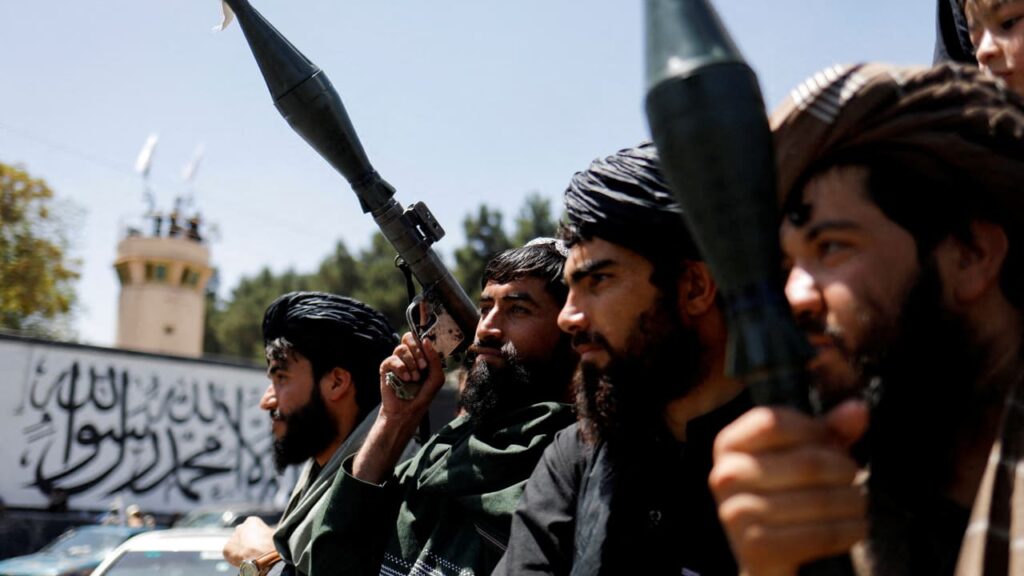
Evaluating Moscow’s claims of 23,000 foreign fighters in Afghanistan. Analysis of regional security implications and the credibility of the data.
Understanding the Taliban: Structure, Ideology, and Governance in Afghanistan

A CommandEleven primer on the Taliban — leadership hierarchy, ideology, governance approach as IEA, and the group’s relationship with Pakistan and international actors.