Summary
As the United States and Israel continue their campaign against the Islamic Republic of Iran, many people are wondering how Iran, and more specifically the Iranian Revolutionary Guard Corp (IRGC), is still functioning. Both the United States and Israel expected to crush Iran within days causing the regime to fall, the IRGC to revolt, and the people to take to the streets against the regime. Western media outlets, talking heads, members of Congress and the public are starting to express their concern about the war, as Iran continues to fire missiles around the region.
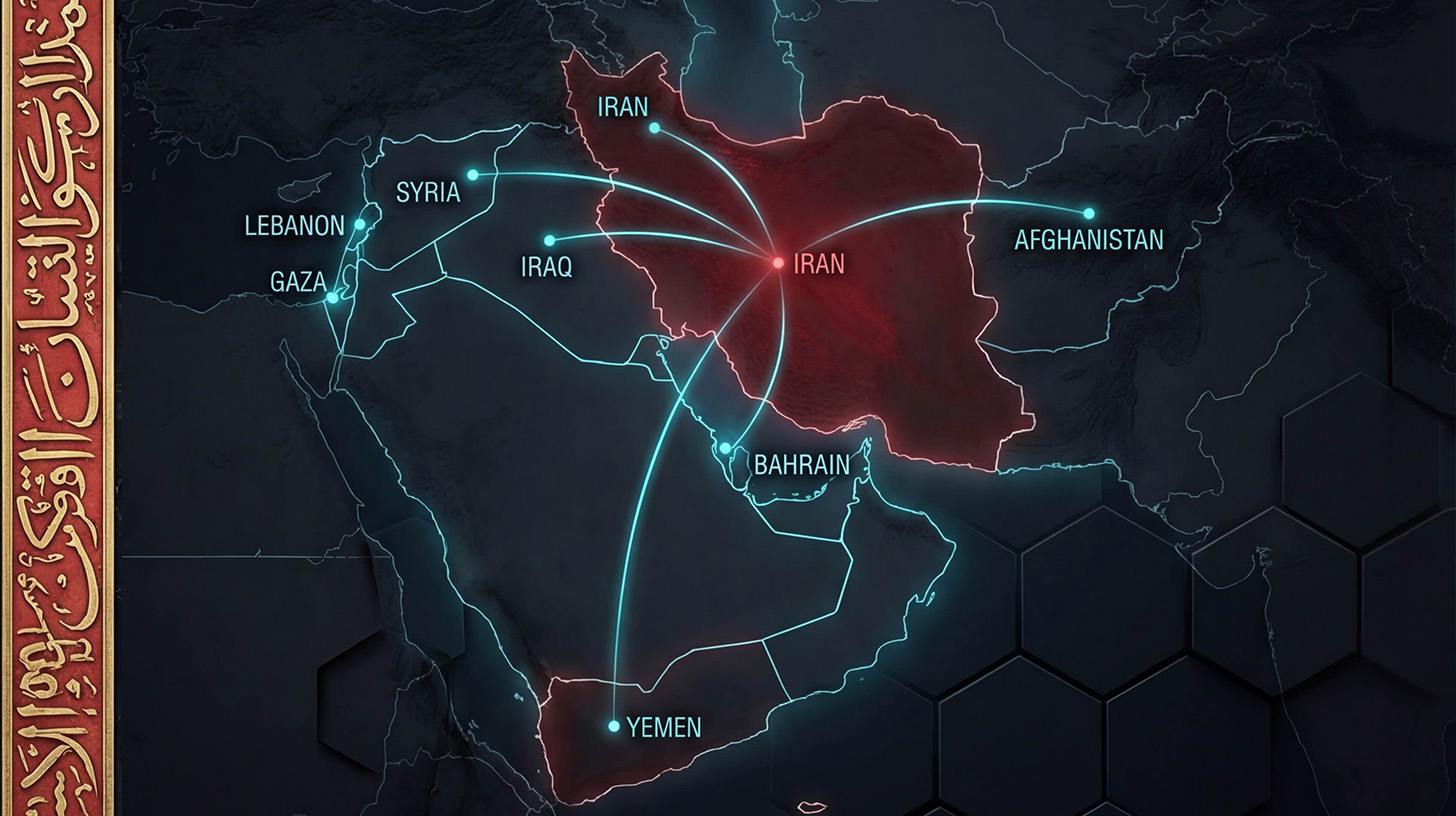
Iran follows a military strategy known as Mosaic Defense, which is one of the most deliberately constructed asymmetric military doctrines of the 21st century. Rather than attempt to match any attack in conventional force-on-force engagements – a battle Tehran’s military strategists know they are unable to win – Iran has engineered a distributed, layered, and deliberately opaque defense architecture to impose prohibitive costs on any adversary attempting a large-scale military operation against Iran or its strategic interests. From an intelligence standpoint, Mosaic Defense is not just a military posture; it is a political instrument, a deterrence signal, and a strategic communication tool simultaneously.
This intelligence assessment examines the origins of Mosaic Defense, its operational pillars, its integrated relationship with Iran’s proxy network and missile arsenal, the intelligence collection challenges, and the strategic implications for regional and global security.