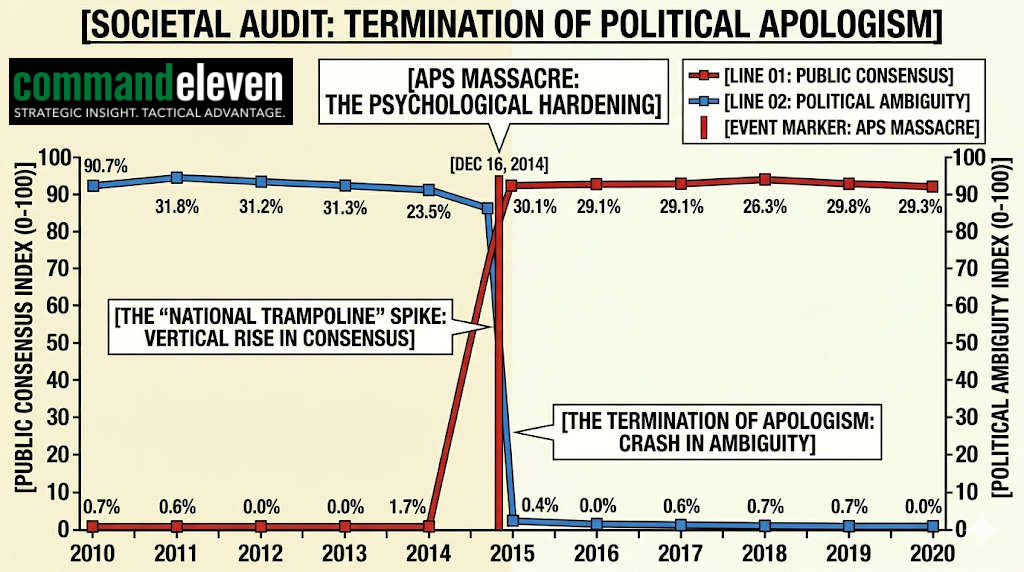
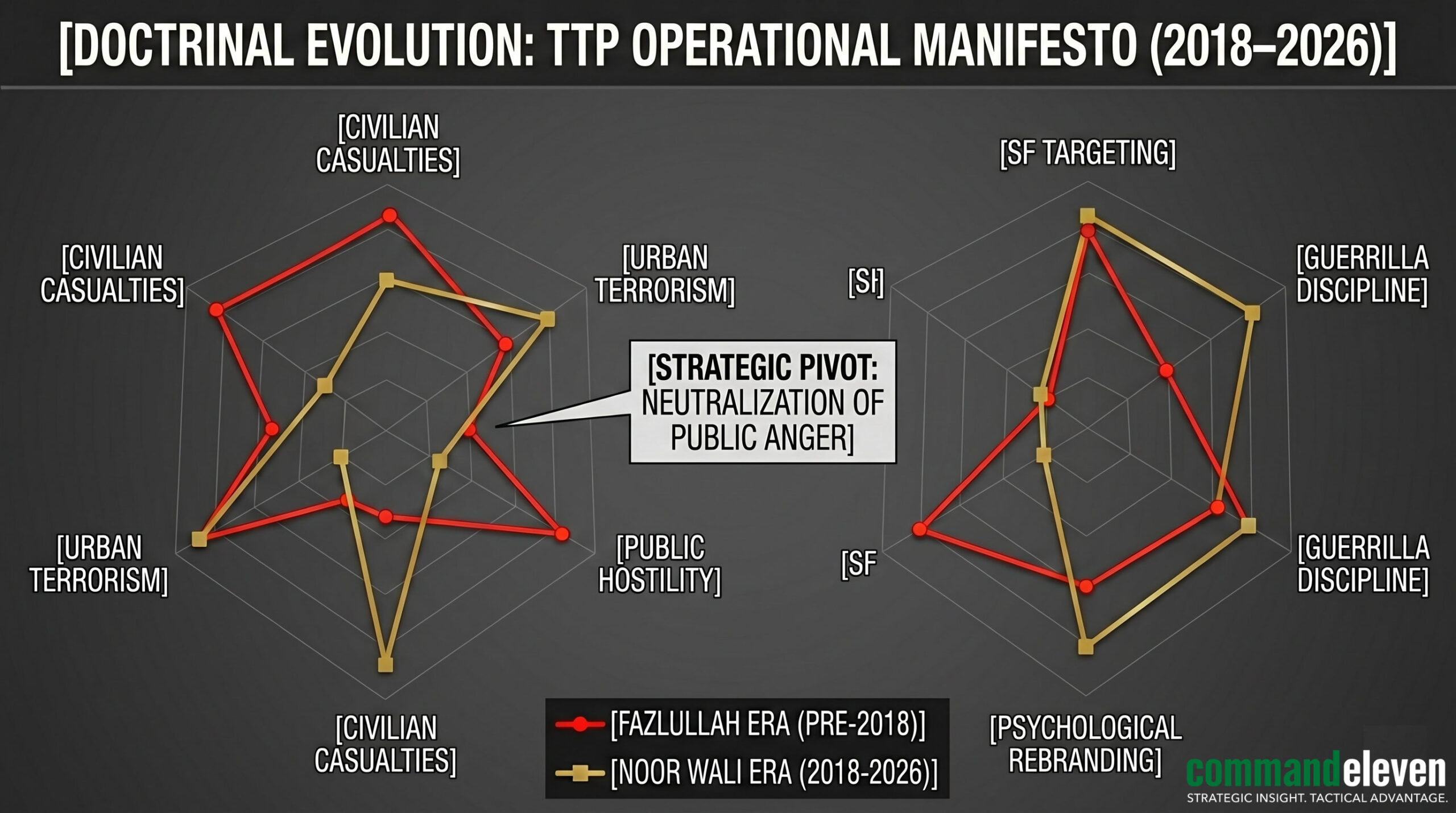
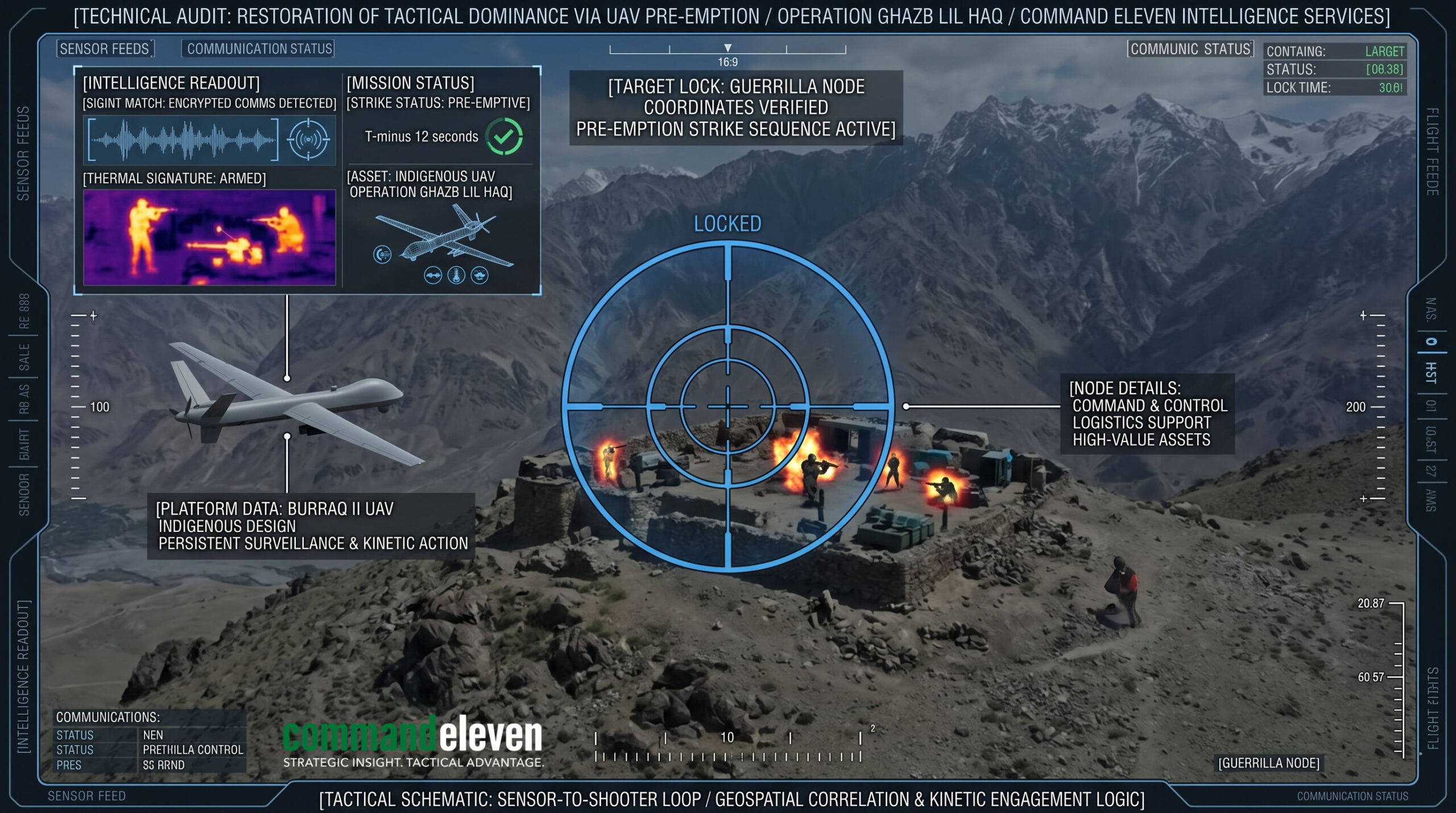
BLUF: Operation Radd-ul-Fasaad (2017–2024) signaled the maturation of the state’s counter-terrorism response, shifting the primary focus from “clearing land” to “securing society”. This era is defined by the nationwide consolidation of kinetic gains and the implementation of physical sovereignty through the multi-billion rupee hardening of the Pakistan-Afghanistan border.
Strategic Objective: From Clearance to Consolidation
Launched in February 2017, Radd-ul-Fasaad (Elimination of Discord) was a comprehensive, nationwide doctrine rather than a localized campaign.
- Permanent Neutralization: The military pivoted to permanent neutralization after recognizing that the “Scorched Earth” tactics of Operation Zarb-e-Azb had dispersed militant nodes into urban sleeper cells.
- Core Mandates: The operation sought the unconditional elimination of residual threats across all provinces, the consolidation of a decade of territorial gains, and the execution of a nationwide de-weaponization campaign.
Operational Mechanics: The Intelligence Shift
This phase marked the definitive end of high-intensity infantry sweeps, replaced by surgically precise Intelligence-Based Operations (IBOs).
- Urban Neutralization: Joint execution by Counter-Terrorism Departments (CTDs), Rangers, and military intelligence fusion centers effectively dismantled urban sleeper cells in major metropolitan centers.
- Asset Synergy: Success relied on the seamless integration of SIGINT and HUMINT to disrupt the Administrative Oxygen (logistics and funding) of insurgent cells.
The Hardened Border: Physical Sovereignty
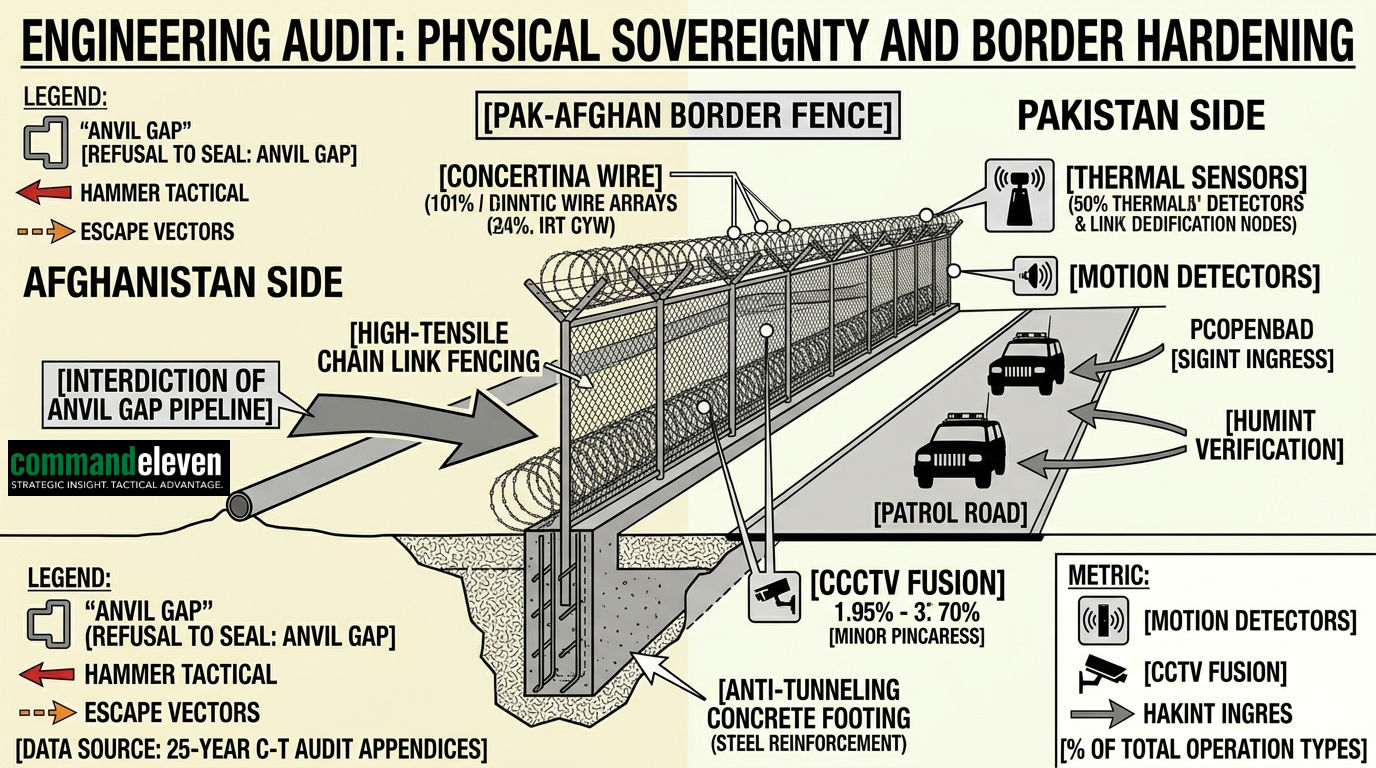
The most significant legacy of Radd-ul-Fasaad is the multi-billion rupee border fencing project, a direct technical response to the Anvil Gap failure of 2014.
- Choking the Pipeline: The fence aimed to physically terminate the transnational logistical pipelines that allowed the TTP and other groups to retreat into Afghan sanctuaries.
- Technological Fortification: The barrier is augmented with thermal sensors, motion detectors, and surveillance cameras, transforming a porous line into a controlled, high-security border.
- Western Border Leak: Hardening the frontier has made domestic clearance operations more sustainable by finally addressing the “Western Border Leak”.
Clinical Conclusion: Successes and Residual Challenges
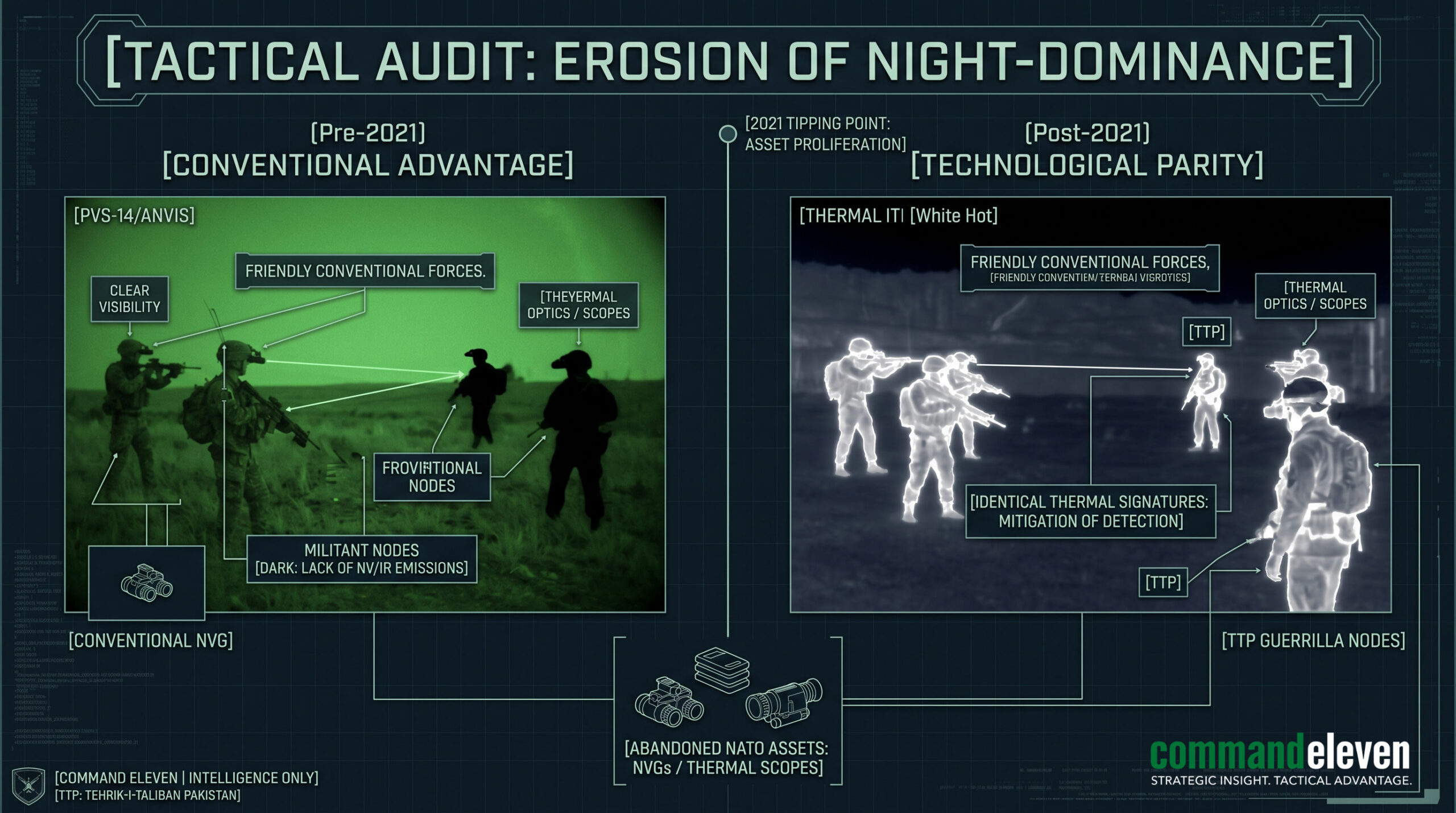
While the doctrine restored normalcy to urban centers and broke the momentum of urban terror campaigns, significant challenges remain. The 2021 US withdrawal injected new momentum and hardware into the TTP, necessitating the current pre-emptive phases like Operation Ghazb lil Haq. Ultimately, Radd-ul-Fasaad proved that kinetic military force must be followed by institutional and physical hardening to prevent the re-emergence of militant sanctuaries.