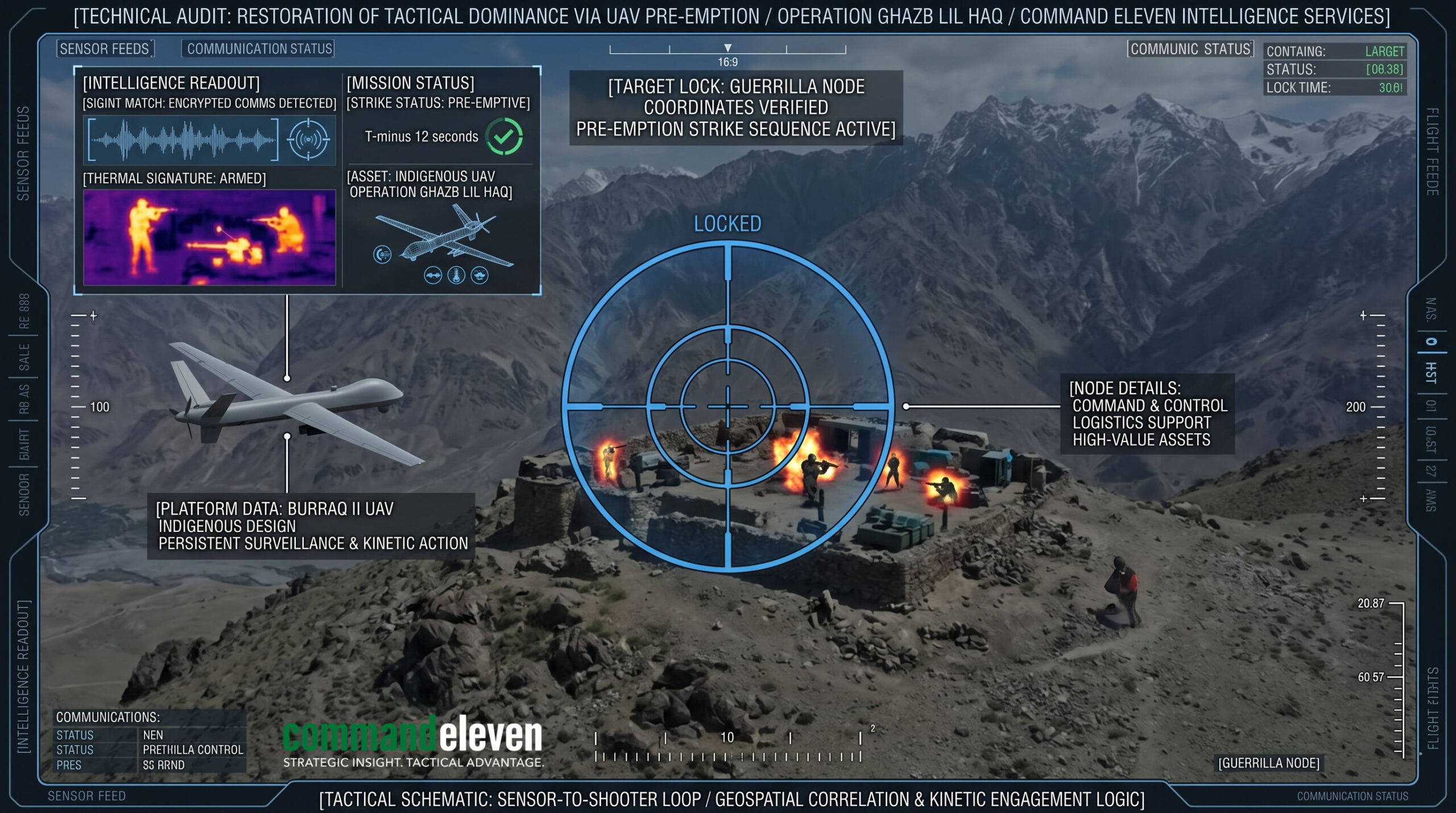
BLUF: The December 16, 2014, attack on the Army Public School (APS) in Peshawar serves as the definitive Psychological Anchor of the 25-year conflict. By executing a high-precision, retaliatory strike against the children of military personnel, the TTP inadvertently triggered a Total Doctrinal Collapse of existing political apologists and forced a unified, non-discriminatory Eradication Mandate. This event acted as the “trampoline” that propelled the state into the most aggressive phase of its domestic counter-insurgency.
Tactical Breakdown: The Attack Components
The assault was a high-precision strike executed by a seven-member TTP suicide squad, designed to maximize psychological trauma and state-level humiliation.
- Infiltration Vector: Attackers scaled the school’s rear wall using ladders, utilizing a diversionary perimeter distraction (setting fire to their transport vehicle) to delay the initial response.
- Targeting Logic: The operation was specifically designed to target the children of military personnel as a direct retaliation for the kinetic pressure of Operation Zarb-e-Azb in North Waziristan.
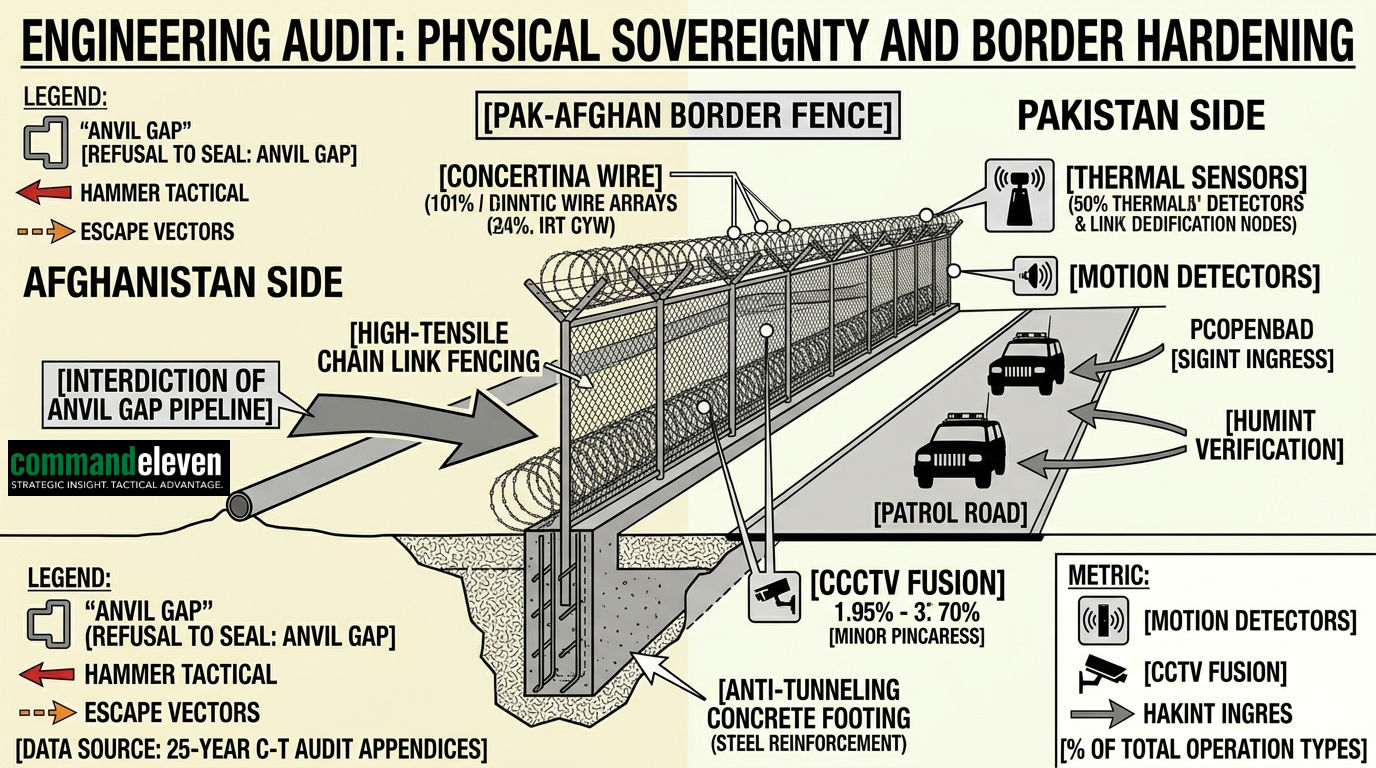
- Command and Control: Real-time communications were traced back to TTP handlers operating from sanctuaries in Afghanistan, exacerbating the Anvil Gap diplomatic crisis.
The Massacre: Detailed Execution
The brutality of the event served as the definitive “breaking point” for the state.
- The Assembly Hall: The most lethal phase occurred in the school auditorium, where a large group of students had gathered for a first-aid briefing. TTP militants utilized indiscriminate automatic fire and suicide vests to maximize the casualty count.
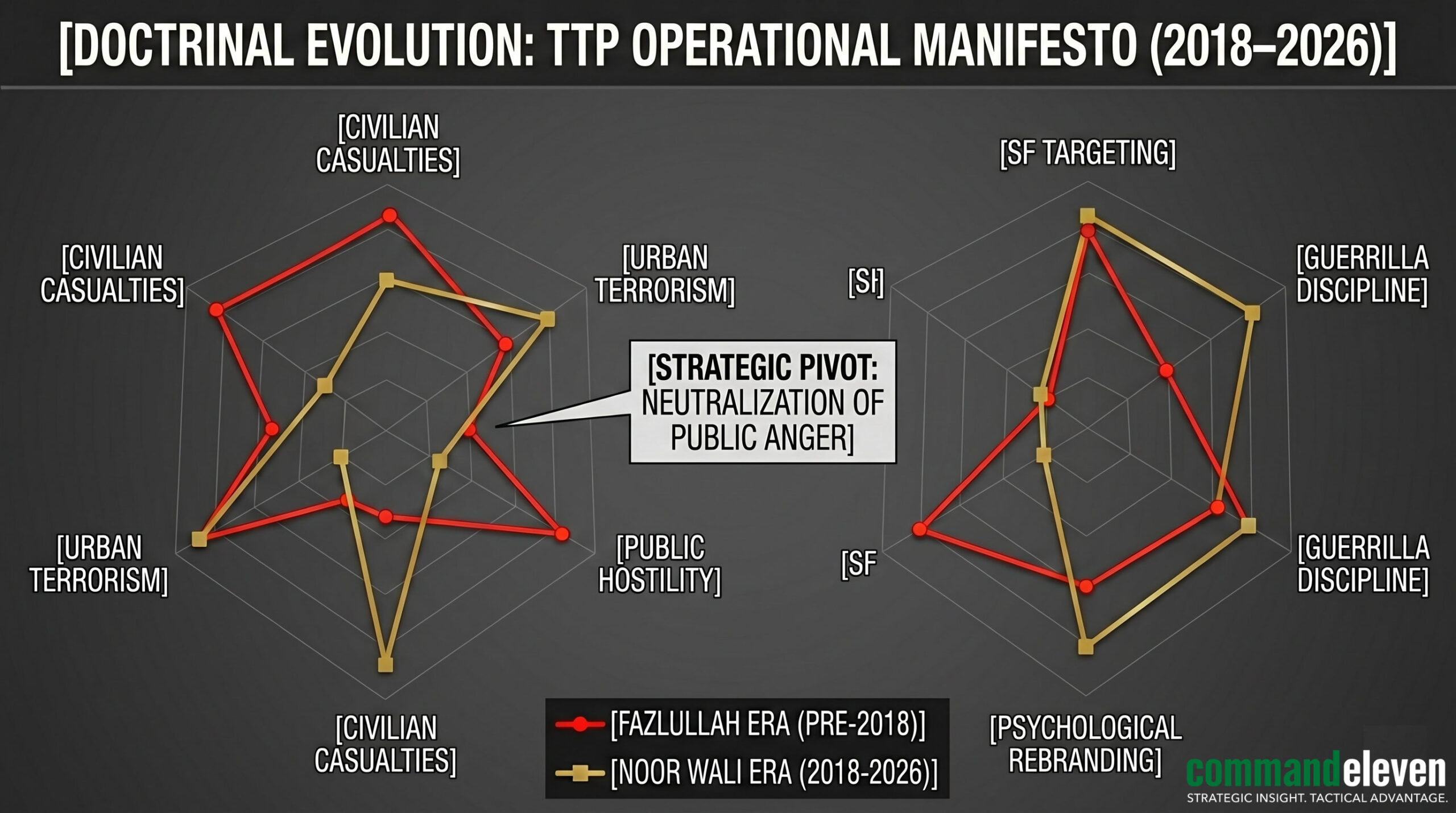
- The Psychological Objective: By specifically targeting the families of the security apparatus, the TTP sought to break the institutional will of the military. Instead, they triggered an immediate and permanent Institutional Hardening.
The “Trampoline”: Psychological & Political Hardening
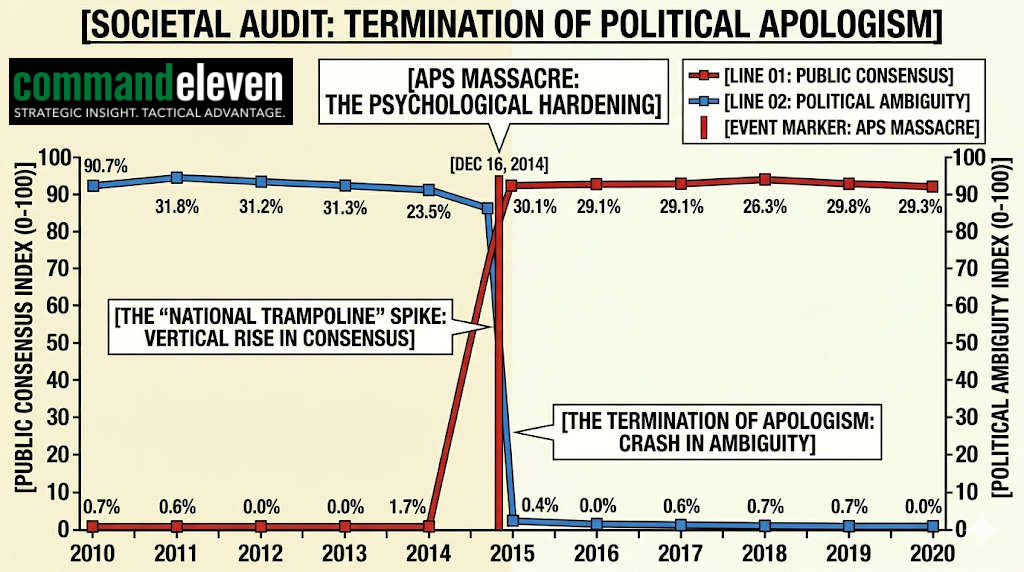
Prior to December 2014, Pakistan was paralyzed by political advocates for “peace talks” and the “misguided brothers” narrative. The APS massacre acted as the catalyst for the total unification of the state’s resolve.
- Erasure of Ambiguity: The “Good Taliban vs. Bad Taliban” narrative was effectively terminated. Public and political consensus shifted toward total kinetic eradication.
- The National Action Plan (NAP): The event led to the unanimous passage of the 20-point NAP, providing the legal and operational framework for a nationwide crackdown on all terror networks.
- Establishment of Military Courts: To bypass a civilian judiciary intimidated by militant threats, the state authorized military courts for the rapid trial of high-profile terrorists.
- Ultimatum to Kabul: The massacre triggered a hyper-aggressive shift in regional diplomacy. Pakistan issued an explicit ultimatum to the Afghan leadership, threatening to target TTP sanctuaries if action was not taken against the handlers.
Clinical Conclusion
The APS massacre remains the single most significant psychological anchor in the 25-year conflict. While it was a tactical catastrophe, its strategic consequence was the total unification of the military, political, and public fronts. This Psychological Hardening ensured that subsequent operations, such as Operation Radd-ul-Fasaad, would be executed with a clear, uncompromising national mandate.