Subject: Non-Discriminatory Kinetic Clearance and the Dismantling of the Waziristan Command Hub
Theater: North Waziristan Agency (NWA) (June 2014 – April 2016)
BLUF: The “Scorched Earth” phase of Operation Zarb-e-Azb (2014–2016) represented the definitive deconstruction of the Waziristan Paradox. By transitioning from localized skirmishes to a non-discriminatory, high-intensity conventional campaign, the state achieved a Command Decapitation of the TTP central hub. However, the lack of an external “anvil” ensured that the success remained a tactical displacement rather than a terminal eradication.
Strategic Objective: Dismantling the Shadow State
The primary mandate was the absolute destruction of the insurgent infrastructure in North Waziristan Agency (NWA). The state sought to:
- Neutralize Central Command: Dismantle the integrated TTP and Al-Qaeda command structures operating from Miramshah and Mir Ali.
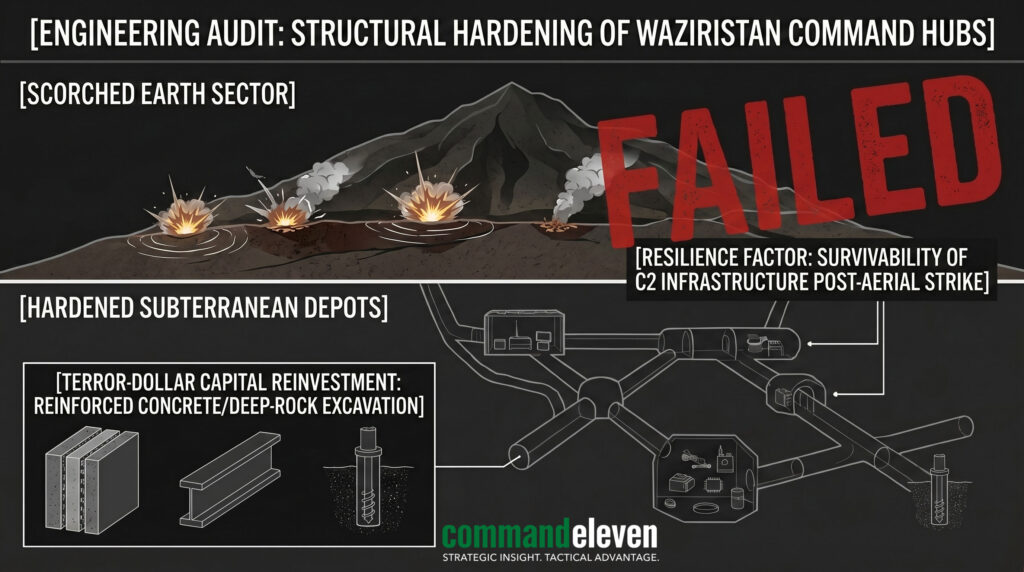
- Destroy Subterranean Hardening: Permanently eliminate the network of hardened IED factories and subterranean logistical depots that had survived prior localized operations.
- Restore State Writ: Eliminate the “state-within-a-state” infrastructure that had replaced state utility for over a decade.
Operational Mechanics: The Multi-Domain Approach
The Mass Evacuation (Logistical Preparation)
To enable unrestricted kinetic force, the military mandated the evacuation of over 1 million Temporarily Displaced Persons (TDPs).
- Target Isolation: This maneuver was a strategic requirement to differentiate between entrenched militant cadres and the civilian populace.
- Operational Freedom: Removing the human shield allowed for the non-discriminatory use of heavy artillery and high-altitude aerial bombardment.
Aerial Softening & Conventional Sweep
The military utilized an intense softening campaign followed by ground sweeps.
- Precision Air Assets: PAF F-16s and indigenous drones targeted deeply buried, hardened bunkers and subterranean command centers.
- Mechanized Ground Ingress: Armored divisions and infantry executed street-by-street sweeps in urban centers, identifying and destroying complex IED-manufacturing clusters.
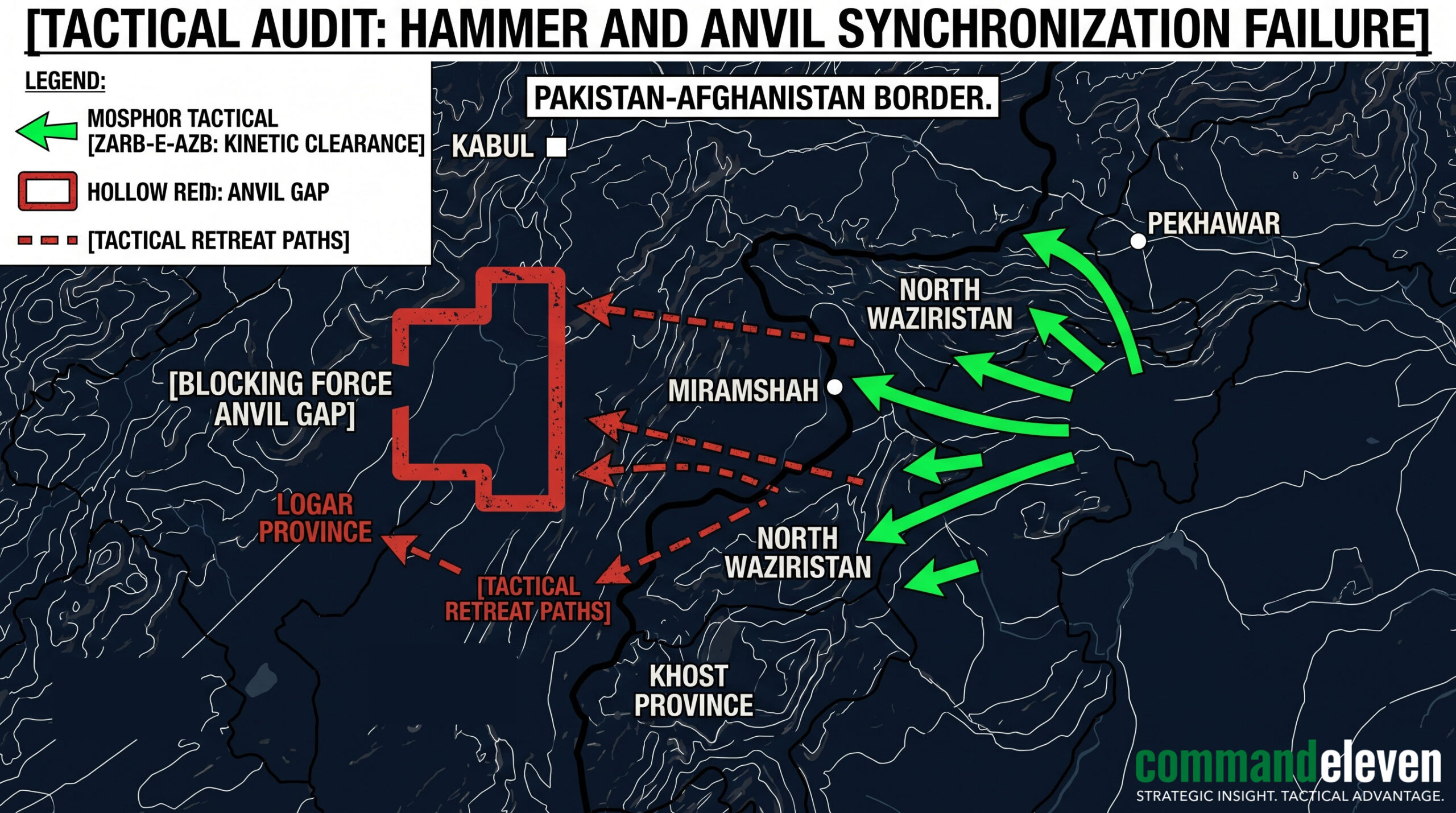
Technical Assessment: The “Hammer” and the “Gap”
- The Hammer (Successes): The operation achieved Command Decapitation, dismantling the TTP’s central logistical heart. This resulted in a 70% nationwide drop in terrorist attacks by 2016.
- The Anvil Gap (Structural Failure): The refusal of US/NATO and Afghan forces to act as a blocking force created the Anvil Gap. Instead of eradication, the TTP leadership slipped across the border into the welcoming arms of the NDS-sponsored Sanctuary Reservoir.
Clinical Conclusion: The Pivot to Border Management
The “Scorched Earth” phase proved that domestic clearance is a futile kinetic loop without absolute border control. The realization that the “Hammer” cannot achieve finality without the “Anvil” became the cornerstone of the post-2016 Hard Border Management doctrine and the multi-billion rupee border fencing project.
More in this volume
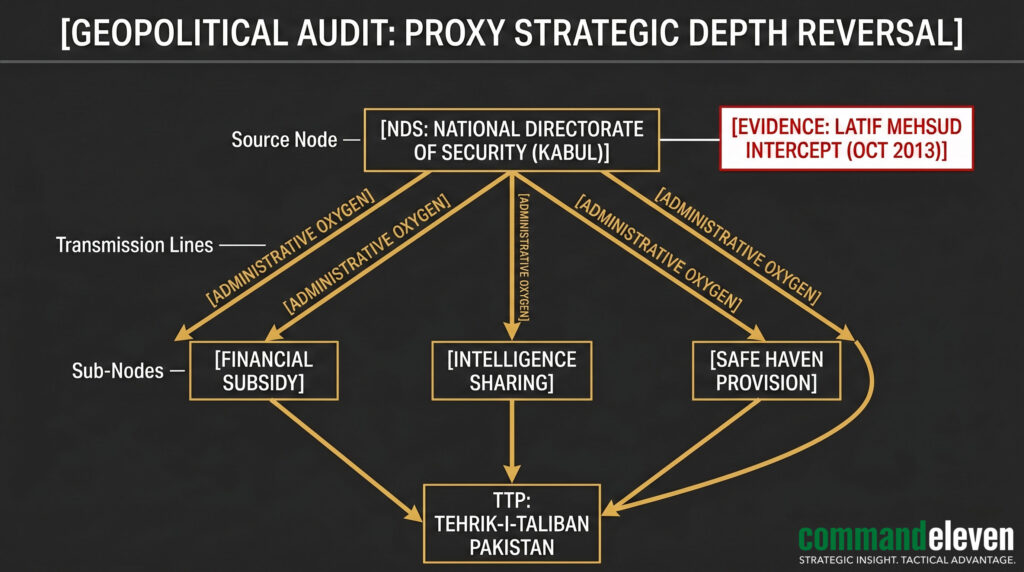 Dossier – The NDS-TTP Proxy Axis
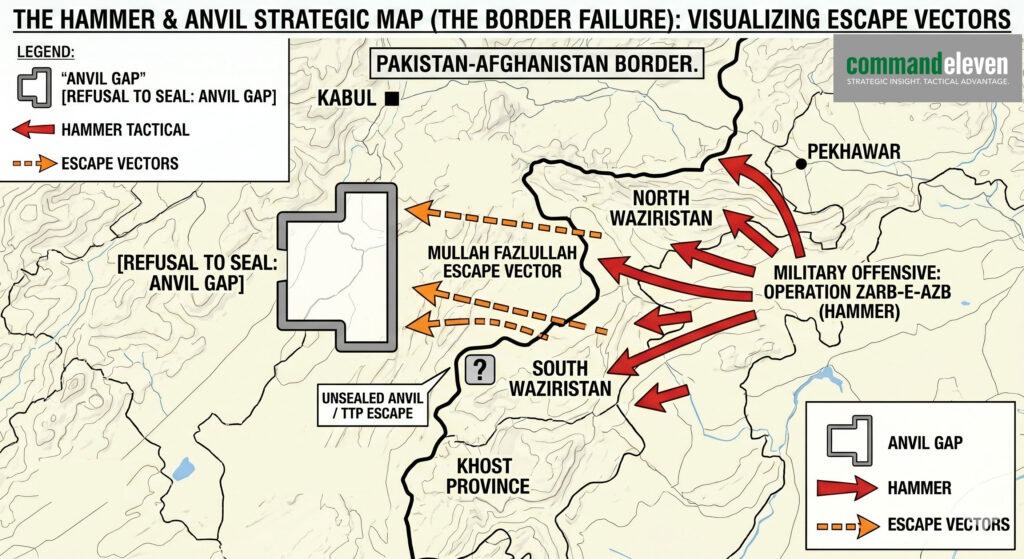 Geopolitical Audit – The Anvil Gap – US/NATO Border Refusal
 The Terror-Dollar Economy and the Purchase of Tribal Silence