

This module details the precise financial mechanics, operational structures, and technical off-ramps utilized by Southeast Asian cyber-syndicates, East Asian Triads, and Western Hemisphere Transnational Organized Crime (TCO) groups to liquidate illicit assets, move cross-border capital, and bypass international anti-money laundering (AML) frameworks.
The Systemic Revenue Blockchain Off-Ramp
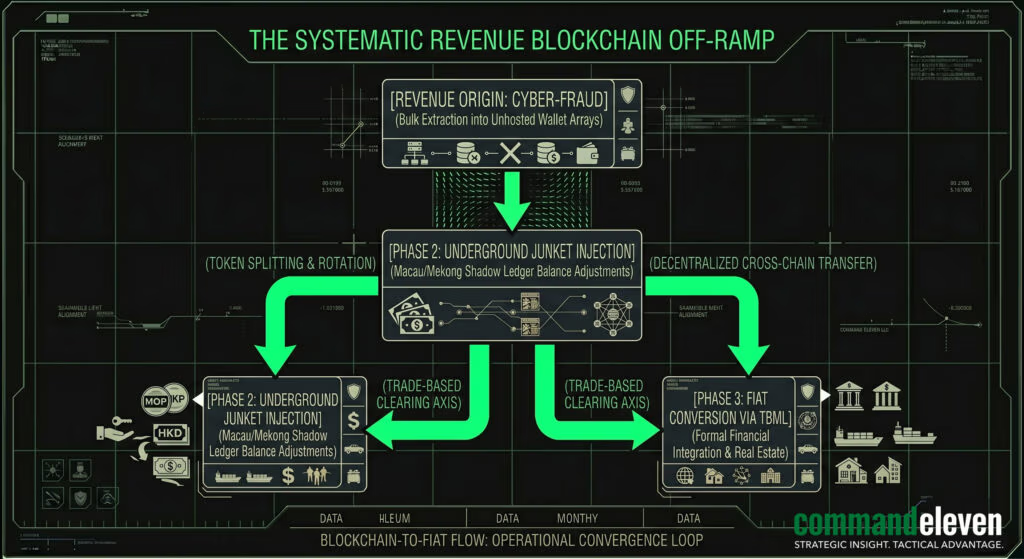
The liquid revenue generated from industrial-scale cyber-fraud operations (predominantly stablecoins such as USDT on the TRON network, preferred for low transaction fees and high transfer velocity) undergoes a highly structured three-phase liquidation process to decouple digital assets from the original criminal extraction point.
Placement and Layering (The Digital Blender)
- Unhosted Wallet Clusters: Extracted cryptocurrency is automatically split across hundreds of unique, non-custodial wallets managed via automated script lines to prevent centralized exchanges from executing sudden blacklists.
- Cross-Chain Inversion: Assets are routed through decentralized cross-chain protocols and non-compliant instant swap services that do not enforce Know Your Customer (KYC) regulations. The tokens are shifted across privacy-centric assets and disparate networks (e.g., TRON-USDT to Monero to Bitcoin) to execute a blockchain inversion matrix, severely obfuscating the digital ledger trail and delaying automated compliance tracing.
Inter-Continental Junket Injection (The Shadow Ledger)
- The Tokenized Casino Matrix: Once layered, the digital assets are transferred to designated cryptocurrency wallets controlled by specialized casino junket operators and high-roller VIP clubs operating out of Special Economic Zones (SEZs) in Cambodia, Laos, and Myanmar, as well as established legal frameworks in Macau.
- The Value Swap: The cryptocurrency is absorbed directly into the junket operator’s shadow treasury. In return, the syndicate or its Western cartel partners receive physical gaming chips, local fiat currency, or equivalent value balances in the junket’s internal ledger. This system functions as a parallel, unmonitored banking platform running entirely on internal accounting sheets.
Fiat Integration via Trade-Based Money Laundering (TBML)
- The Import-Export Mirror: To move these ledger balances into the formal, global banking system, junkets utilize extensive networks of proxy import-export firms. Capital balances are cleared through the simulated, double-invoiced purchase of electronics, textile goods, or dual-use chemical precursors from mainland China.
- Western Cartel Payouts: Western TCOs (such as the Sinaloa Cartel or CJNG) receive their share of the cleared funds directly in North American or European bank accounts via structured transfers from these proxy trade fronts. Alternatively, the cash is used to buy chemical precursors directly from Triad suppliers, completing a borderless cash-to-commodity cycle.
Key Facilitator Interface
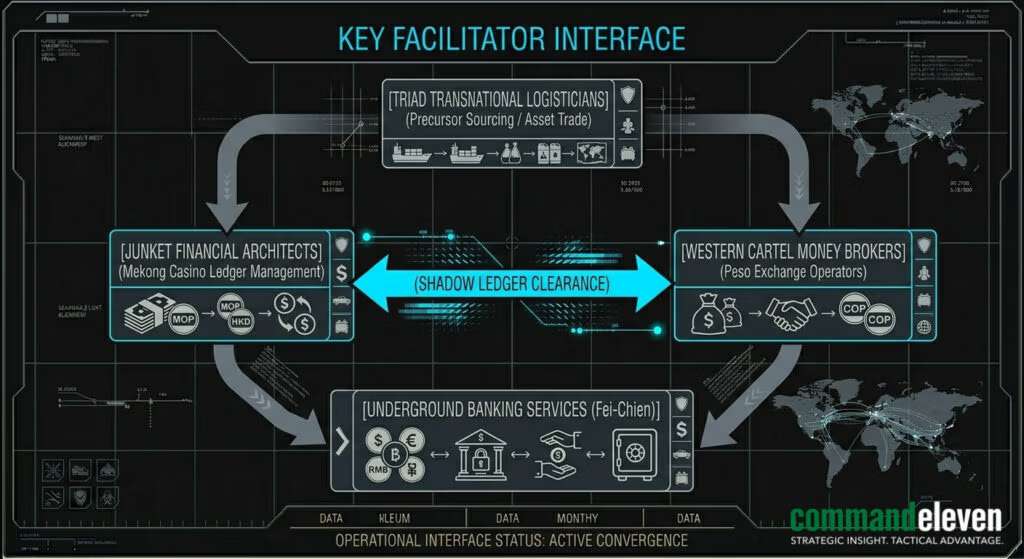
The integration of these financial systems requires close coordination between white-collar specialists who manage the interfaces between illicit networks, formal banking systems, and sovereign regulatory blind spots.
| Facilitator Node | Primary Operational Responsibility | Core Tactical Vector |
| Junket Financial Architect | Mekong Casino Ledger Management | Shadow Clearance & Internal Bookkeeping |
| Cartel Money Broker | Black Market Peso Exchange (BMPE) Operations | Fiat Inversion & Cross-Border Settlement |
| Underground Banking Operator | Traditional Fei-Chien Physical Delivery | Geographic Value Matching (No Border Crossing) |
| Triad Transnational Logistician | Precursor Sourcing & Commodity Trading | Cash-to-Chemical Supply Chain Ingestion |
- The Junket Financial Architect: These individuals run the back-end accounting departments of VIP casino operations in Southeast Asia. They maintain specialized hardware wallets, design custom internal accounting ledgers, and manage relationships with local corrupt officials and border-control forces to guarantee physical safety for the cash clearinghouses.
- The Cartel Money Broker (BMPE / Peso Exchange Operators): Operators from Western Hemisphere syndicates interface directly with junket architects. They specialize in the Black Market Peso Exchange (BMPE) model, matching the cartels’ need to clean North American street cash with the junkets’ requirement to distribute fiat currency globally to buy assets and trade commodities.
- The Underground Banking Operator (Fei-Chien): Traditional underground banking operators provide the physical delivery networks that support digital transactions. They ensure that cash balances deposited in one geographic theater (e.g., Vancouver or Los Angeles) can be paid out immediately within another (e.g., Bangkok or Sihanoukville) within hours, without any physical capital crossing an international border.
Vulnerability Analysis & Disruption Vectors
The multi-layered structure of this financial network creates specific operational vulnerabilities that can be targeted by international law enforcement and intelligence task forces.
- Digital Inflow Layer
- Vulnerability: Deep dependence on specific, stable stablecoin frameworks (primarily TRON-based USDT) to move mass value from scam enclaves to junket operator wallets.
- Disruption Strategy: Coordinate with international blockchain analysis units and corporate stablecoin issuers to monitor, trace, and execute automated freezing orders on high-volume wallet clusters linked to known Mekong delta infrastructure coordinates.
- Physical Intermediary Layer
- Vulnerability: Dependence on the physical security and unmonitored status of casino properties within SEZs to house hardware server infrastructure and execute cash handovers.
- Disruption Strategy: Deploy targeted financial sanctions against specific junket holding companies, freeze their corresponding bank accounts in major international transit hubs, and implement strict compliance audits on third-party financial institutions processing transactions for regional leisure operators.
- Trade Invoicing Layer
- Vulnerability: The reliance on falsified customs declarations and double-invoicing schemes within proxy import-export firms creates structural data anomalies.
- Disruption Strategy: Deploy advanced trade-data analytics systems at major international container ports to automatically cross-reference customs declarations against market values, isolating and flagging trade fronts used to mask asset transfers.