This module breaks down the technical mechanics, structural vulnerabilities, and operational tradecraft used by Tier-1 Transnational Organized Crime (TCO) syndicates and state-backed asymmetric networks to penetrate, co-opt, and exploit global commercial maritime infrastructure.
The Systemic Maritime Penetration Pipeline
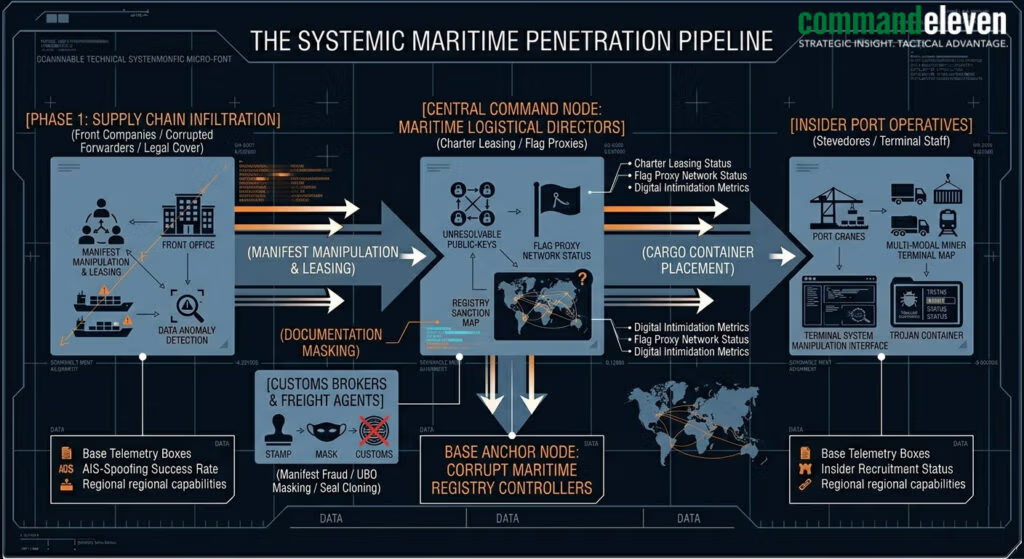
Transnational illicit networks do not maintain large, independent merchant fleets; instead, they operate as parasitical elements within the highly automated, high-volume commercial shipping industry. Moving multi-ton payloads of weapons, narcotics, or dual-use chemical precursors requires exploiting structural vulnerabilities across a three-stage logistics pipeline.
Phase 1: Upstream Infiltration and Legal Masking (The Entry Point)
- Shell Logistics Entities: Syndicates establish legitimate-looking import-export front companies, complete with valid international tax registries and corporate histories. These fronts lease cargo space from major global shipping lines under the guise of trading low-risk commodities (e.g., charcoal, agricultural produce, scrap metal).
- Corrupted Freight Forwarders: Networks co-opt or establish third-party freight forwarding agencies. These specialized white-collar intermediaries handle complex customs documentation, bills of lading, and seal numbers, deliberately masking the Ultimate Beneficial Ownership (UBO) of high-risk cargo containers.
Phase 2: Mid-Stream Transshipment and Registry Anonymization (The Transit Seam)
- Flags of Convenience (FoC): Illicit networks routinely utilize feeder vessels and bulk carriers registered under open registries with lax regulatory oversight (e.g., Panama, Liberia, the Marshall Islands). These flags permit anonymous corporate ownership structures, insulating the syndicate high command from legal liability if the cargo is interdicted.
- Kinetic AIS Telemetry Obfuscation & STS Transfers: To break the investigative trail, vessels executing transregional weapons or precursor transfers engage in “dark operations”—completely deactivating their Automatic Identification System (AIS) transponders or deploying spoofing mechanisms to transmit false geographic coordinates. While running dark, vessels execute mid-stream Ship-to-Ship (STS) transfers in international waters, shifting contraband from high-risk origin vessels to low-profile regional coasters.
Phase 3: Downstream Port Extraction (The Destination Gate)
- Trojan Container Tradecraft: Syndicates favor the “Rip-On / Rip-Off” (Gancho Ciego) methodology. Contraband is concealed inside a legitimate container at the origin port without the legal exporter’s knowledge, cloned customs security seals are applied, and insider port personnel extract the payload immediately upon arrival at the destination hub (e.g., Antwerp, Rotterdam, Santos), before formal customs scanning occurs.
- Digital PIN-Code Fraud: Advanced cyber-enabled smuggling networks orchestrate data breaches or bribe terminal staff to harvest unique container release PIN codes. Armed with stolen digital credentials, syndicate-hired transport drivers enter container terminals, mount the target load, and exit past automated security gates without triggering conventional law enforcement inspections.
Key Facilitator Interface
Securing seamless transit through the global maritime commons requires direct collaboration between specialized logistical facilitators who manipulate international trade documentation and port-level operational networks.
| Facilitator Node | Primary Operational Responsibility | Core Tactical Vector |
| Maritime Logistical Director | Spot-Charter Leasing & Vessel Portfolio Management | Gray-Market Maritime Portfolio Operations |
| Customs Broker // Freight Proxy | Manifest Fraud, Double-Invoicing, & UBO Masking | Algorithm Risk-Score Deception |
| Insider Port Operative | Terminal Operating System (TOS) Physical Redirection | Rapid Payload Extraction (Gancho Ciego) |
| Corrupt Registry Controller | Offshore Open Registry Data Modification | Corporate Ownership Anonymization |
- The Maritime Logistical Director: The strategic architect who manages the network’s gray-market maritime portfolio. They handle the spot-charter leasing of commercial vessels, navigate maritime lien laws to prevent asset seizures, and manage relationship lines with loose offshore registry companies.
- The Customs Broker / Freight Proxy: White-collar enablers specializing in trade document manipulation. They construct double-invoicing layers, falsify destination declarations, and manufacture legitimate commercial history trails to lower the shipment’s risk score within automated port customs targeting algorithms.
- The Insider Port Operative (The Stevedore Controller): Ground-level coordinators who direct corrupted terminal employees, crane operators, and customs inspectors inside the physical ports. They possess real-time access to Terminal Operating Systems (TOS), allowing them to alter the physical placement of containers on a vessel or yard grid to facilitate swift extraction.
Vulnerability Analysis & Disruption Vectors
The massive scale and rapid velocity of contemporary global maritime trade create structural dependencies that can be targeted by integrated intelligence and interdiction operations.
- Data-Manifest Analytics Layer
- Vulnerability: Front companies and trade proxies exhibit distinct behavioral anomalies within automated shipping registries, such as sudden shifts in volume, erratic routing loops, and payments routed through unaligned third-country financial clearings.
- Disruption Strategy: Deploy advanced AI-driven trade data analytics across international customs networks to automatically match cargo bills of lading against true corporate beneficial ownership layers, singling out high-risk anomalies for mandatory physical or radiographic inspection.
- Physical Seal and Access Security Layer
- Vulnerability: The “Rip-On / Rip-Off” method relies entirely on the rapid physical removal of cloned seals and swift access to containers within port storage yards.
- Disruption Strategy: Mandate the integration of digital, cryptographically locked smart-seals that transmit real-time tampering alerts via satellite directly to port authorities, combined with geofenced biometric access tracking for all terminal ground crews.
- Registry and Flag Sovereignty Layer
- Vulnerability: Deep reliance on unvetted offshore registries and shell-company vessel ownership structures to mask ownership chains.
- Disruption Strategy: Enforce aggressive multilateral maritime sanctions and port-denial protocols against specific vessels and registry management companies that consistently hide UBO chains or permit persistent unauthorized AIS deactivations in known smuggling zones.