Why This Series, Why Now
American counterterrorism policy has spent two decades organized primarily around foreign terrorist organizations. That framing no longer matches the threat picture. DHS’s own Homeland Threat Assessment has identified a convergence of political polarization, post-election tension, and global conflict spillover driving a heightened domestic violent extremism environment – one increasingly shaped by online radicalization pipelines and, more recently, generative AI. In May 2026, the White House’s own Counterterrorism Strategy formalized this shift, explicitly placing domestic extremist threats – from accelerationist networks to “violent left-wing extremists” – alongside cartels and Iran as core national security priorities, a genuine departure from the FTO-centric framing that dominated the post-9/11 era.
That reframing is overdue, but it also risks the same trap that has weakened public understanding of foreign threats for years: treating “domestic extremism” as a single undifferentiated category flattens real differences in actor type, radicalization pathway, financing structure, and threat profile. A teenager radicalized inside an online nihilistic accelerationist network and a co-founder of a fifty-year-old international movement are not the same threat, do not respond to the same interventions, and should not be analyzed with the same tools.
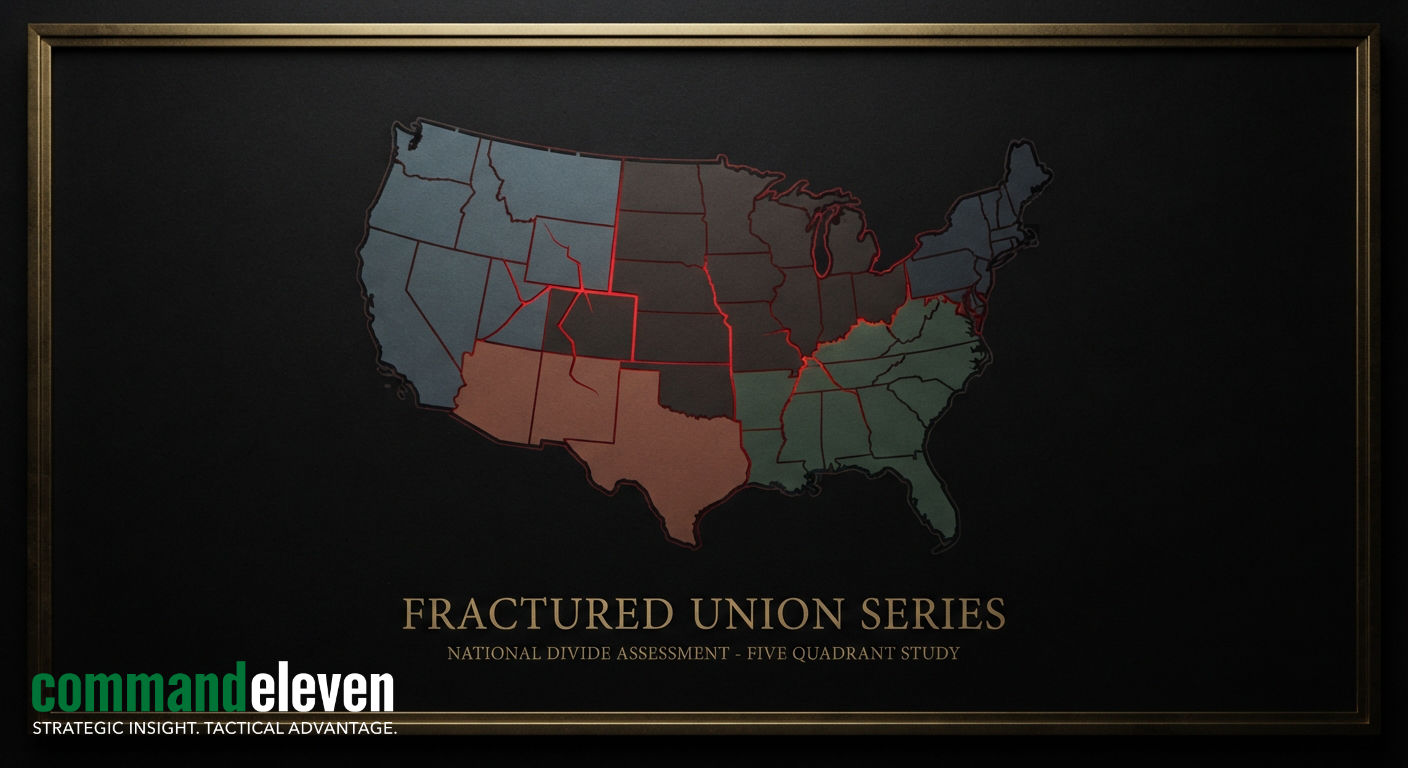
This series treats the domestic threat landscape as distinct actor categories, each analyzed on its own terms, before drawing them together in a closing synthesis. It follows directly from CommandEleven Intelligence’s five-part Muslim Brotherhood in America series, which supplies the documentary foundation for this series’ Islamist-extremism component – a connection made explicit in Part III.
What This Series Covers
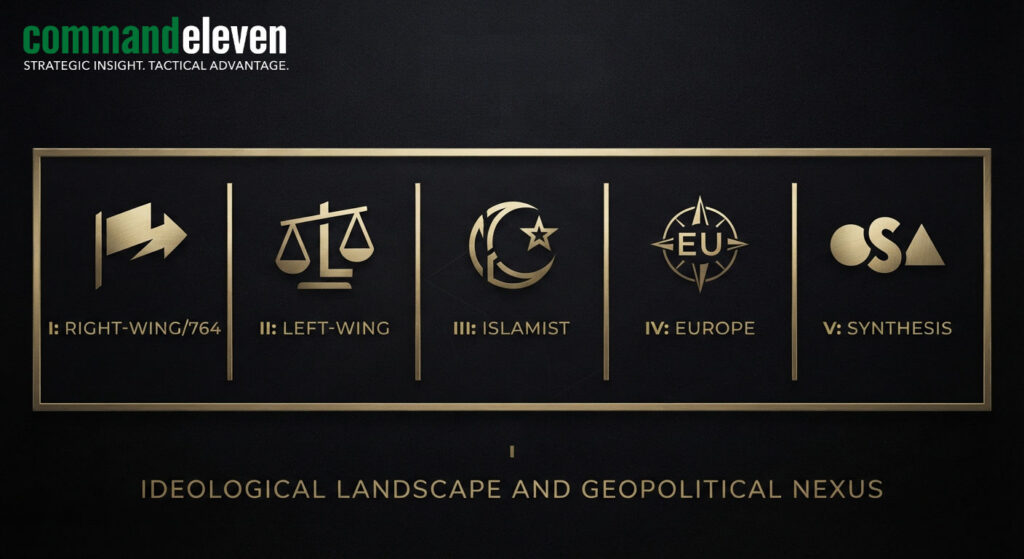
- Part I: Right-Wing Accelerationism and “764” – the online nihilistic violent extremist ecosystem, its recruitment and radicalization pathway (particularly targeting minors), and its relationship to broader accelerationist ideology.
- Part II: Left-Wing Violent Extremism – organizational structures, recent incidents, and the federal government’s 2026 policy shift toward treating this as a formal counterterrorism priority category.
- Part III: Radical and Extremist Islam – building directly on CommandEleven Intelligence’s Muslim Brotherhood in America series, examined here specifically through the domestic threat and mobilization lens rather than repeating that series’ organizational mapping.
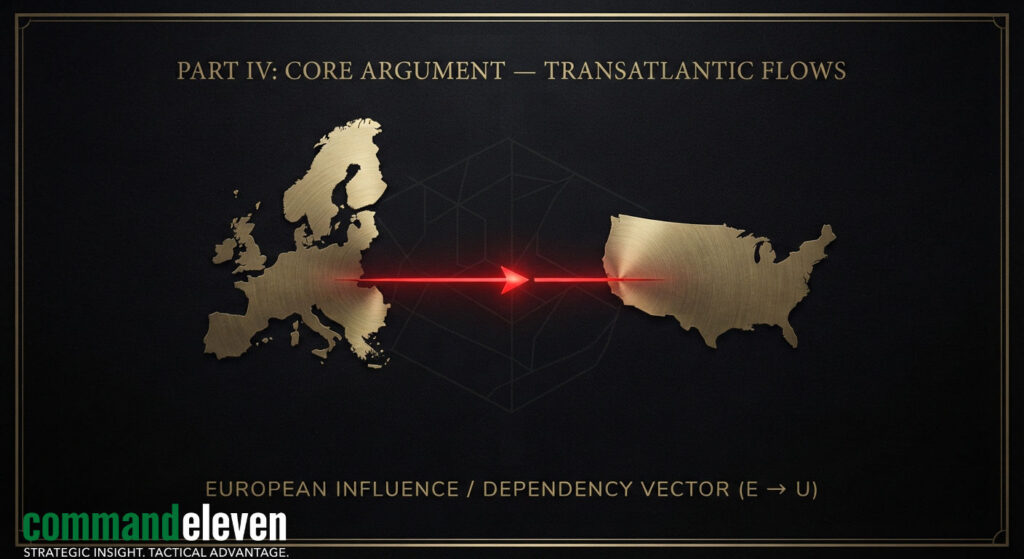
- Part IV: Europe as the Leading Indicator – cross-ideological comparison of right-wing, left-wing, and Islamist/Iran-proxy incidents in Europe against emerging U.S. patterns, testing the thesis that European incidents precede comparable U.S. events by a measurable margin.
- Part V: Lone-Actor Mobilization and Domestic Financing – a synthesis chapter examining how individuals across all three preceding categories mobilize toward violence, and the financing patterns that cut across ideological lines.
A Note on Method
As with our Muslim Brotherhood series, every claim in this series is confidence-tiered – CONFIRMED, ASSESSED, or excluded where sourcing does not meet either bar. Domestic extremism analysis carries a particular risk of political framing overwhelming evidentiary rigor in either direction; this series applies the same sourcing discipline to right-wing, left-wing, and Islamist actor categories alike, and flags where a claim rests on a single source or an unresolved investigation rather than an adjudicated finding.
A note on Part I specifically: because “764” networks are documented to target and exploit minors as part of their recruitment and coercion model, this series discusses that network’s structure, ideology, and threat profile at the pattern level necessary for public understanding, without reproducing operational, recruitment, or platform-specific detail that could itself serve as a roadmap.
The US Domestic Threat Landscape Series
- Right-Wing Accelerationism and “764” – The Ideology That Wants Collapse
- Left-Wing Violent Extremism – A New Designation, Tested in Court
- Radical and Extremist Islam – The Reactivated Lone-Actor Threat
- Europe as the Leading Indicator – Testing the Transatlantic Terror Thesis
- Synthesis – Mobilization, Financing, and the Shape of the Domestic Threat