Executive Summary
In the 2026 tactical landscape, state sovereignty is no longer defined by territorial boundaries but by the Logistical Oxygen Standard—the ability to maintain the unimpeded flow of administration and commerce through primary transit arteries. The Successive Capitulation of the Indus Logistical Corridor audits the high-velocity “rupture” model currently threatening Pakistan’s N-5/Indus Highway nexus. By applying the Bamako Blueprint, adversaries utilize Administrative Asymmetry to hollow out the state’s utility at key logistical nodes like Sukkur and Multan. This transition from state governance to Shadow Governance Normalization creates a “Sahelian Void” where the central government, blinded by the Green Zone Hallucination, loses its administrative reach. To survive the 45-Day Terminal Window, the administration must pivot from a monolithic defense to a Mosaic Defense Architecture, reclaiming Hardware Truth through localized, autonomous “Tiles” and the deployment of the #72/48 Resilience Protocol.
3 Key Takeaways
- Logistical Interdiction as Seizure: Sovereignty in the Indus corridor is mechanical, not political. Adversaries use the Sukkur Protocol to surgically sever logistical nodes, inducing terminal institutional paralysis without the need for a conventional kinetic siege of the capital.
- The Competency Gap & Shadow Governance: Successive capitulation occurs when a non-state actor provides superior administrative utility. Reclaiming the corridor requires moving beyond the Digital Mirage of centralized data and re-establishing physical oversight through Analog Persistence and the Triple Lock Doctrine.
- Resilience via Mosaic Tiles: A centralized defense is a “Single-Trigger” liability. Hardening the N-5 corridor requires transforming logistical hubs into autonomous Administrative Tiles capable of Stigmergic Coordination and 48-hour autonomous persistence during a total network “Flash-Dark” event.
The Logistical Oxygen Standard
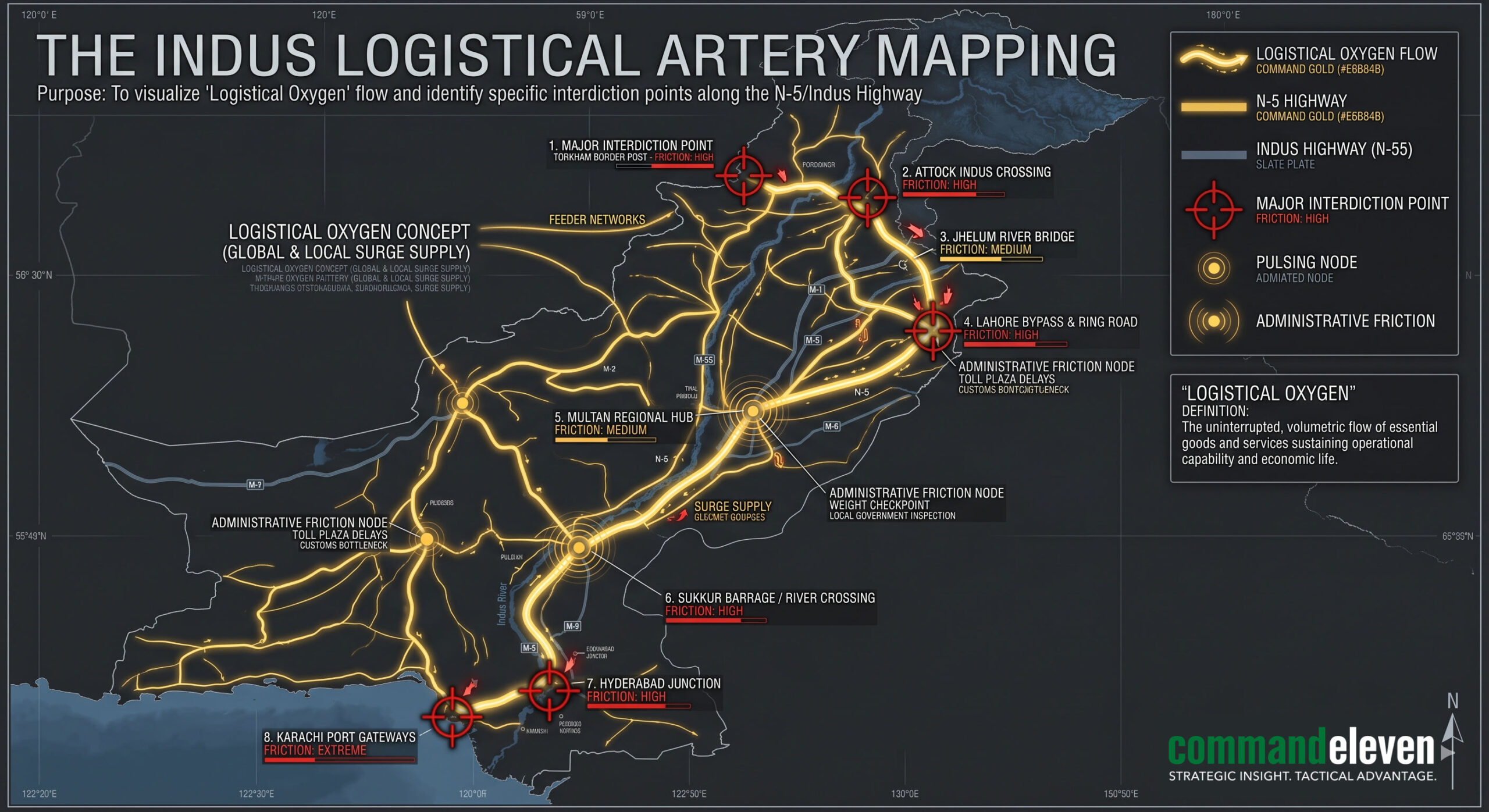
In the 2026 tactical landscape, sovereignty is no longer measured by the flag flying over a provincial capital, but by the unimpeded flow of “Logistical Oxygen” through primary transit arteries. For Pakistan, this oxygen is localized within the N-5/Indus Highway corridor—the central nervous system of the state’s administrative and economic existence.
Traditional counter-insurgency (COIN) focuses on territorial “clearing.” However, the emerging threat model in the Sindh-Punjab nexus is not one of occupation, but of Administrative Asymmetry. Adversaries have realized that they do not need to defeat the military in a conventional engagement; they only need to induce a state of Successive Capitulation by interdicting the logistical nodes that sustain the state’s utility.
The Bamako Blueprint: Applied to the Indus Nexus
The “Bamako Blueprint” is a high-velocity model of administrative seizure where a state is paralyzed by the severance of five primary transit arteries. When applied to the Indus corridor, specifically the Sukkur-Multan-Dera Ghazi Khan triangle, the mechanics of rupture become visible.
- Node Isolation: Non-state actors, utilizing tradecraft mirrored in the Sukkur Protocol, establish a “low-signal” presence in the labor-class infrastructure surrounding key bridges and fuel depots.
- Administrative Friction: By implementing illegal checkpoints and shadow tax collection, these actors increase the cost of transit until the state’s own logistics become economically unviable.
- Institutional Myopia: The central government, distracted by the “Green Zone Hallucination” of safety in Islamabad, fails to perceive that its provincial reach has been reduced to isolated garrisons with no influence over the surrounding populations.
The Mechanics of Administrative Asymmetry
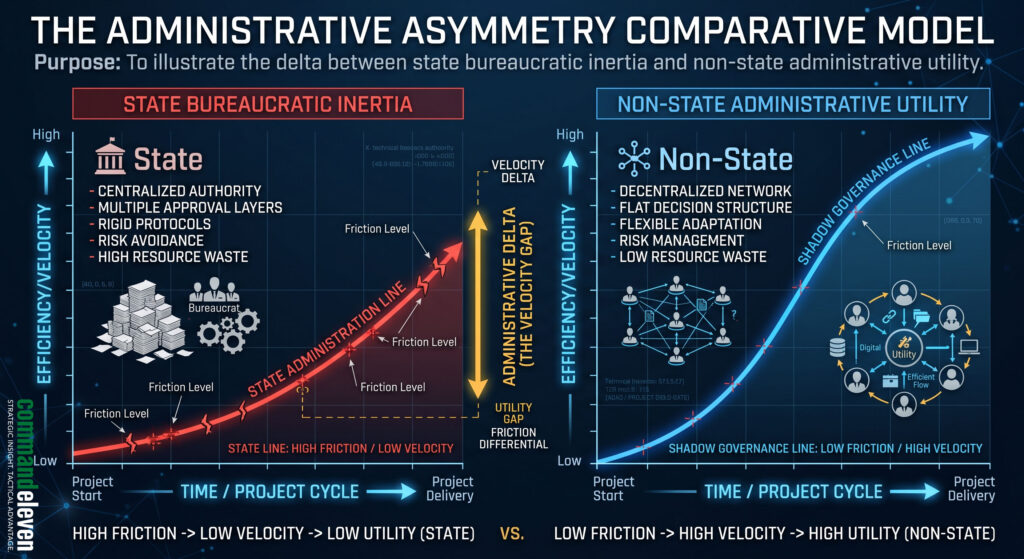
The pivot point of this rupture is the transition from state governance to Shadow Governance Normalization. In regions like Northern Sindh and Southern Punjab, the “Sahelian Void” is opening. When the state fails to provide judicial adjudication or security for the transit of goods, non-state entities step in to provide a more predictable—albeit brutal—alternative.
This is the Sukkur Protocol in action: the surgical hollowing out of state legitimacy through superior administrative utility at the local level. Once the population views the insurgent or criminal architecture as the primary provider of “Hardware Truth” (e.g., actual security for their harvests and trade), the state enters the 45-Day Terminal Window.
Case Study: The Sukkur-Multan Rupture Vector
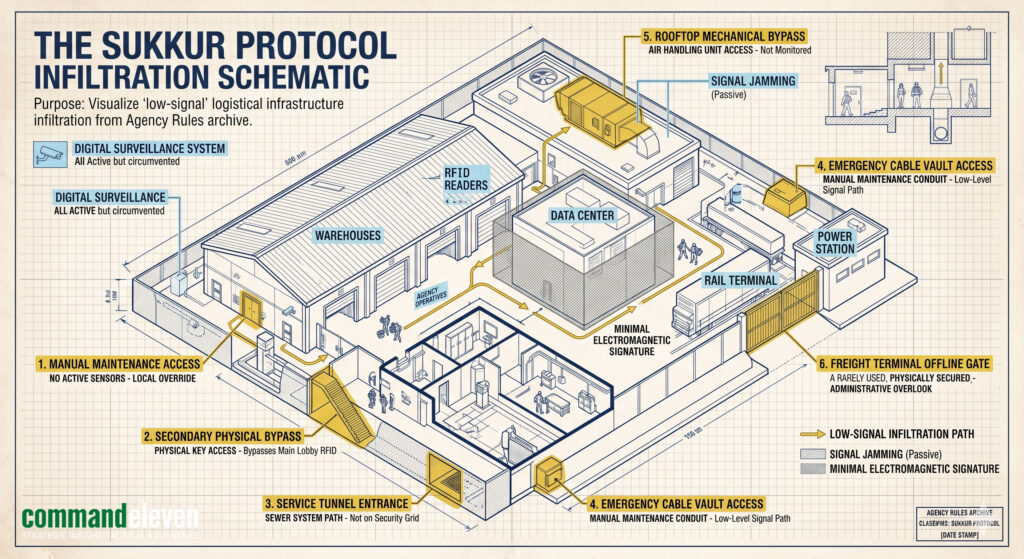
The audit of current friction points indicates that the Sukkur bypass and the D.G. Khan transition are the most vulnerable “Tiles” in the national mosaic.
- The Digital Mirage: Current state intelligence relies heavily on digital surveillance and signal intelligence. However, the adversary is operating in an Analog Persistence mode, using human-to-human networks and physical ledgers to manage their shadow administration.
- The Single-Trigger Threat: A coordinated cyber-kinetic strike on the SCADA systems of the Guddu or Sukkur barrages, paired with physical interdiction of the N-5, would trigger an immediate systemic collapse. The state’s inability to respond to this dual-mode threat is the “Competency Gap.”
Reclaiming the Corridor: The Mosaic Response
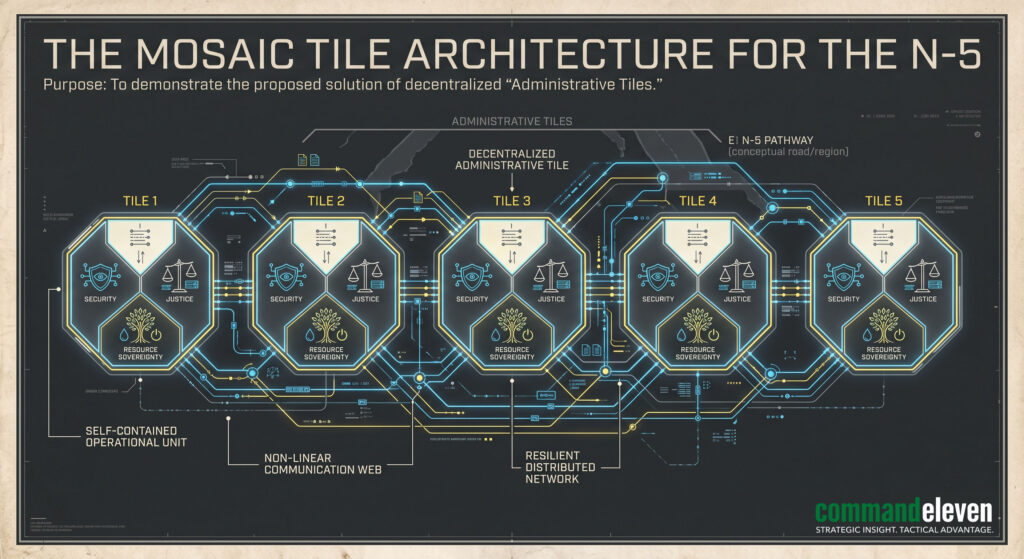
To prevent successive capitulation, the administration must pivot from a monolithic, centralized defense to a Mosaic Defense Architecture.
- Tile Autonomy: Transforming logistical hubs into autonomous administrative “Tiles” that can maintain order and supply flow even if the central C2 is severed.
- Hardware Truth: Re-establishing physical oversight. The state must move past the digital mirage and place “Analog Persistence” units—trained in the tradecraft of Kamal Khan—directly into the logistical arteries to verify status through the Triple Lock Doctrine.
The Terminal Window of Opportunity
The hollowing out of the Indus corridor is not an inevitability, but a consequence of institutional inertia. If the state remains tethered to the Green Zone Hallucination, it will continue to lose ground to the high-velocity governance of its adversaries. Reclaiming the corridor requires a clinical focus on administrative utility, the hardening of logistical tiles, and the immediate deployment of the #72/48 Resilience Protocol across all critical infrastructure nodes.