Executive Summary
This is part 1 of a multi-part series that will help our audience understand how IRGC is working with cartels to generate untraceable revenue, advance Iran’s global influence, funds its terror proxies, and poses a persistent security threat to the US and Latin America, embedding state-sponsored terrorism within existing criminal networks.
Since the 1990s, Middle Eastern terrorist groups have found a home in Central and South America. The region was used for training and safe havens from intelligence and military organizations, which quickly developed into a commercial relationship. Over time, the sponsors of the terror groups began to infiltrate the same region, building upon the existing relationships of their proxy organizations.
The IRGC-Cartel Nexus: How Iran Funds Terror Through Latin America’s Criminal Networks
Today, there is substantial and growing evidence of Iran’s Islamic Revolutionary Guard Corps (IRGC), specifically the Qods Force, is collaborating with Latin American drug cartels synergizing terrorism, organized crime, and geopolitical strategy. This convergence has enhanced Iran’s covert operations and developed revenue streams for their proxy groups, such as Hezbollah and Hamas.
The IRGC uses criminal networks to pursue a dimension of asymmetric warfare against Western nations, including the United States. The Qods Force have facilitated alliances with Latin American and Mexican cartels, leveraging their logistical expertise for drug smuggling, arms trafficking, and money laundering. These illicit activities not only generate revenue, but also provide covert access routes and operational footholds near US borders.
Financial and Operational Benefits for Iran’s Proxy Network
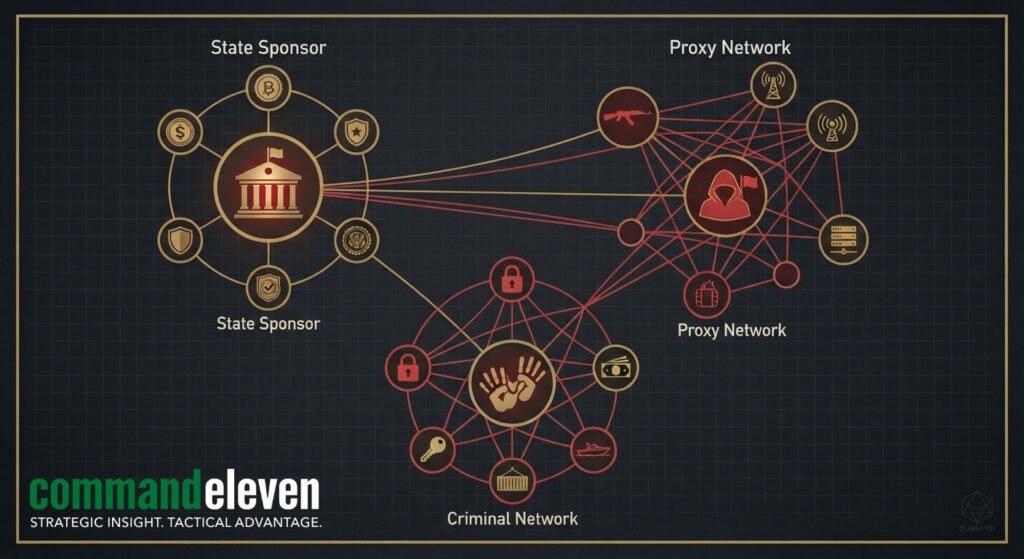
This collaboration includes shared use of smuggling tunnels, the exchange of explosives expertise, and the exploitation of a narcotics trade infrastructure. Mexican cartels, such as the Sinaloa and Zetas cartels, have a long history of collaboration with Hezbollah-linked operatives, engaging in cocaine trafficking and laundering hundreds of millions of dollars monthly via international banking networks.
The IRGC’s integration with these networks is both financially and strategically advantageous. Rough estimates suggest that Hezbollah alone earns approximately $300 million annually from illicit activities involving Latin American drug trade, with IRGC-linked terror organizations channeling profits into weapons procurement and regional proxy wars. Due to the funds coming from offshore sources, Iran has plausible deniability, is able to circumvent international sanctions, and destabilize adversaries through narcotics proliferation and social disruption.
- Financial Gains: By collaborating with drug trafficking organizations, IRGC-sponsored terror groups, including Hezbollah, earn hundreds of millions of dollars annually through the drug trade, money laundering and smuggling operations. This supports weapons procurement, regional proxy wars, and terrorist activities without relying on overt state sponsorship
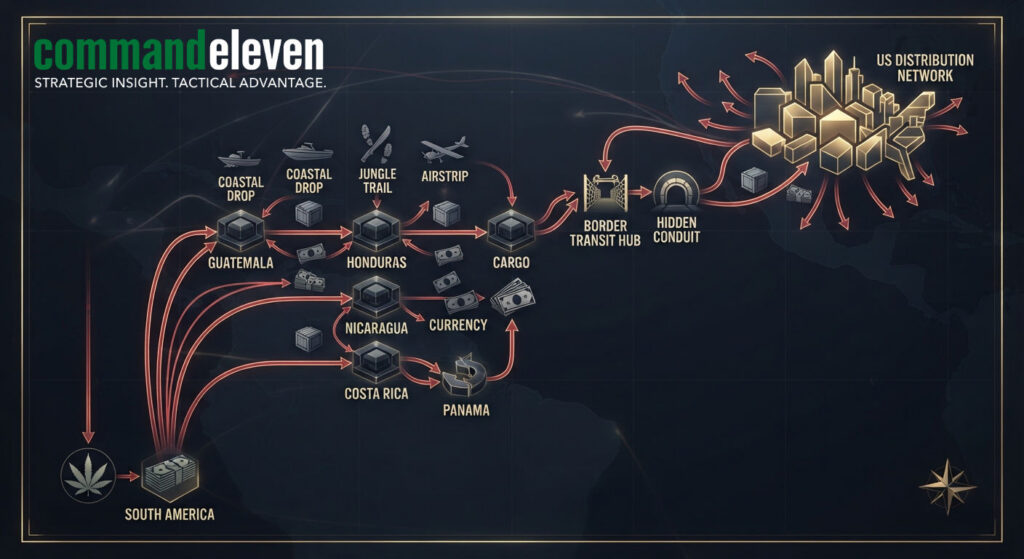
- Operational and Logistical Support: Cartels provide sophisticated smuggling routes, tunnels, and distribution networks the IRGC can exploit to move personnel, weapons, explosives, and narcotics covertly. These established networks reduce exposure risks and enable deeper penetration into Western nations, especially the US border regions, facilitating clandestine IRGC activities
- Strategic and Tactical Advantages: Leveraging cartel relationships, the IRGC gains access to expertise in asymmetric warfare tactics, including, but not limited to, bomb making, smuggling technologies, and organized crime methodologies. The entrenched territorial control and supply chains provide the IRGC indirect control points and safe havens, boosting the ability to conduct terror operations and destabilizing geopolitical adversaries
- Evasion of sanctions and Plausible Deniability: Cartel operations facilitate the IRGC to bypass international sanctions by masking the origin, movement of funds and material. This subterfuge increases deniability and complicates tracking, monitoring and enforcement actions by the US, allied counter-terrorism and law enforcement agencies
The 2025 US Policy Response
In 2025, the Trump administration has intensified efforts to counteract these networks. President Trump’s designation of several cartels as Specially Designated Global Terrorists (SDGTs), it has curtailed the Iranian-linked criminal networks ability to finance their terror organizations. Additionally, the 2025 Department of Homeland Security (DHS) also flagged the potential links between the IRGC networks increased reliance on cartel partnerships for operational reach in the Western Hemisphere.
The IRGC-cartel nexus is one of the most sophisticated crime-terror networks, providing IRGC benefit from established smuggling capabilities, while cartels gain access to advanced weaponry, training, and international market connections. This cooperation advances Iran’s global influence, funds its terror proxies, and poses a persistent security threat to the US and Latin America, embedding state-sponsored terrorism within existing criminal networks.
The Invisible Axis: The IRGC’s Quiet Buildup in Latin America
- IRGC in Latin America: The Invisible Axis
- Analysis: IRGC-Cartel Nexus in Latin America (Part 1)
- Analysis: IRGC Quds Force Strategy (Part 2)
- Analysis: IRGC Latin America Strategy (Part 3)
- IRGC in Latin America: Threat Assessment
- IRGC Infiltration of Latin American Cartels
- Hezbollah Unit 910: IRGC Latin America Financing