Why This Series, Why Now
Few subjects in American counterterrorism analysis generate more heat and less clarity than the Muslim Brotherhood’s domestic footprint. For two decades, the conversation has split into two camps talking past each other: one that treats any discussion of Brotherhood-linked organizations in America as a conspiracy theory unworthy of serious engagement, and one that treats the connection as so self-evident it doesn’t require sourcing. Neither approach serves the reader.
This series takes a third path. Every claim in it is built on the public record – seized internal Brotherhood documents entered as federal trial exhibits, FBI wiretap transcripts, sworn congressional testimony, and court rulings that have survived appeal. Where the record is strong, we say so plainly. Where it is thin, contested, or reliant on a single source, we label it as such and stop short of treating it as established fact. That discipline matters more here than almost anywhere else in our coverage, because the cost of overstatement in this subject area – to individuals, to institutions, and to the credibility of legitimate counterterrorism analysis – is unusually high.
The timing is not incidental. In January 2026, the United States took its first-ever concrete designation action against Muslim Brotherhood chapters abroad, naming Lebanon’s chapter a Foreign Terrorist Organization and Specially Designated Global Terrorist entity, and designating Egypt’s and Jordan’s chapters as SDGTs. In August 2026, a retired FBI Special Agent who led the largest terrorism-financing investigation in American history – the Holy Land Foundation case – testified before the Senate Judiciary Committee in unusual detail about the domestic network that case exposed. Between those two developments, and a growing body of litigation, state-level actions, and investigative reporting, there is more public, citable material available on this subject right now than at any point since the 2008 HLF convictions.
What This Series Covers
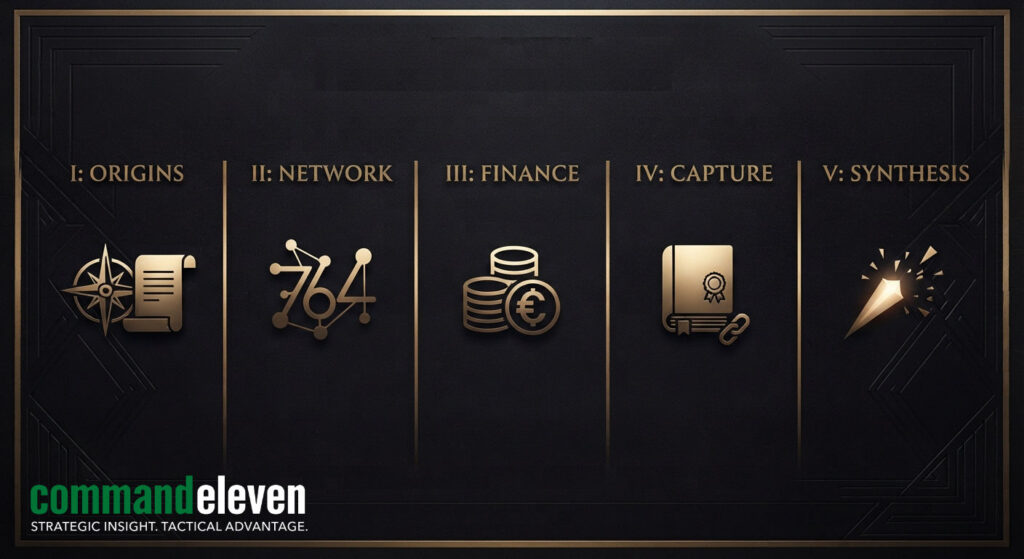
- Part I: The Conspiracy Documented – the 1988 leadership chart, the 1991 Explanatory Memorandum, the 1993 Philadelphia Meeting wiretaps, and CAIR’s founding as a planned shield organization, culminating in the 2008 HLF conviction.
- Part II: The Affiliate Network – the wider constellation of US organizations (CAIR, MAS, ICNA, NAIT, AMP, USCMO), Dar al-Hijrah’s role as an operational nexus, and the Anwar al-Awlaki case.
- Part III: Financial Infrastructure & Legal Obstruction – CAIR’s 2025-2026 headquarters asset transfer to NAIT amid state terrorism designations, the Boim/AMP litigation, and the pattern of federal funding continuing despite a 2009 FBI liaison cutoff.
- Part IV: Institutional Capture – mosque networks, K-12 and university-level activity, and political access, including the January 2026 federal designations and documented connections to US officials.
- Part V: Synthesis – what the preceding four parts add up to, and how this series connects to CommandEleven Intelligence’s broader US Domestic Threat Landscape coverage.
A Note on Method
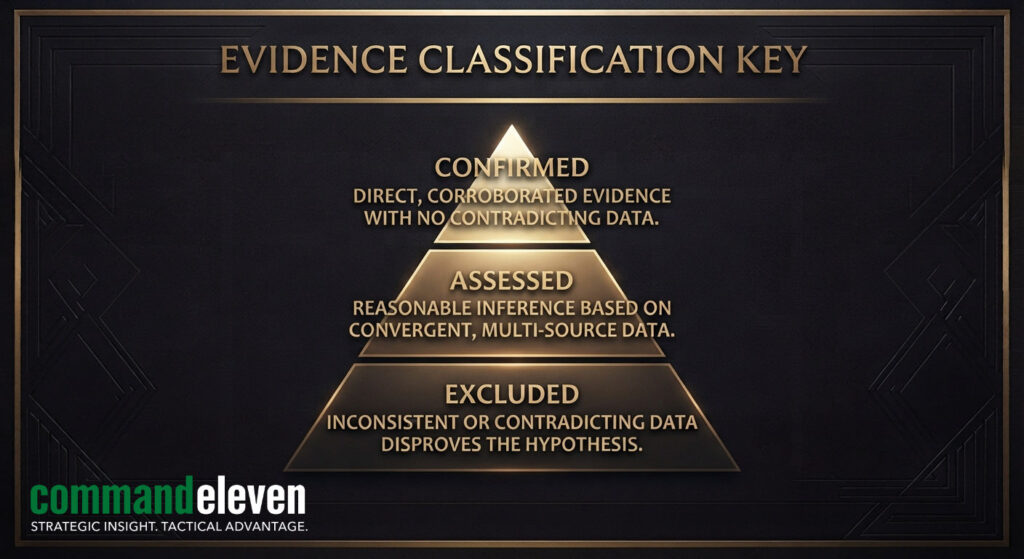
Every factual claim in this series is confidence-tiered:
- CONFIRMED (primary documentary or trial-exhibit evidence, sworn testimony, or judicial finding)
- ASSESSED (credible secondary reporting or CommandEleven Intelligence’s own analytical judgment, clearly labeled as such), or excluded entirely where the available sourcing does not meet either bar
Where a document’s authenticity has been legally contested, we say so. Where an individual’s affiliation is documented but their personal knowledge or intent is not, we do not collapse that distinction. This series names organizations and, where the trial and testimonial record supports it, individuals – but it does not extend findings beyond what courts, sworn witnesses, and primary documents actually establish.
Readers who want to check our work can: every citation in this series links to the underlying primary source
The Muslim Brotherhood Series
- The Conspiracy Documented – Origins of the Muslim Brotherhood’s American Front
- The Affiliate Network – Dar al-Hijrah, CAIR, and the American Brotherhood’s Web
- Financial Infrastructure & Legal Obstruction – How the Network Funds and Defends Itself
- Institutional Capture – Mosques, Classrooms, Campuses, and Congress
- What Four Decades of Evidence Adds Up To