
Strait of Hormuz Crisis 2026: Who Pays When Crude Recovers but Diesel and LNG Do Not
Crude is in surplus and prices are falling, yet Hormuz flows sit near half of normal. We show where the shock still bites and what business should track.
Turkey and Qatar Sign a Mutual Defense Pact: What Is Public, What Is Not, and Where It Sits Among the Gulf’s Defense Webs
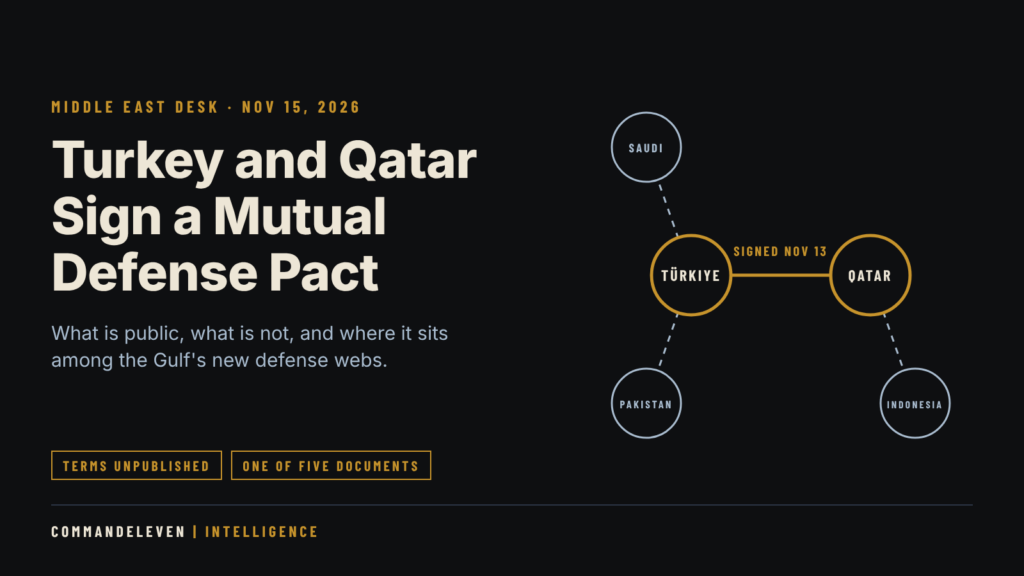
Türkiye and Qatar signed a defense agreement in Istanbul on November 13. What is public, what is not, and how it fits with the Makkah pact and Badr memorandum.
Qeshm, the Qataris and the Post-Midterm Window: Iran, Hormuz and the Fog of War
The US struck Qeshm Island the night before the midterms while Qatar mediates and allies brace for post-election strikes. What is confirmed, what is rumor, and our dated calls.
The Gulf Split: How Saudi Arabia and the UAE Broke, and What It Means for the GCC
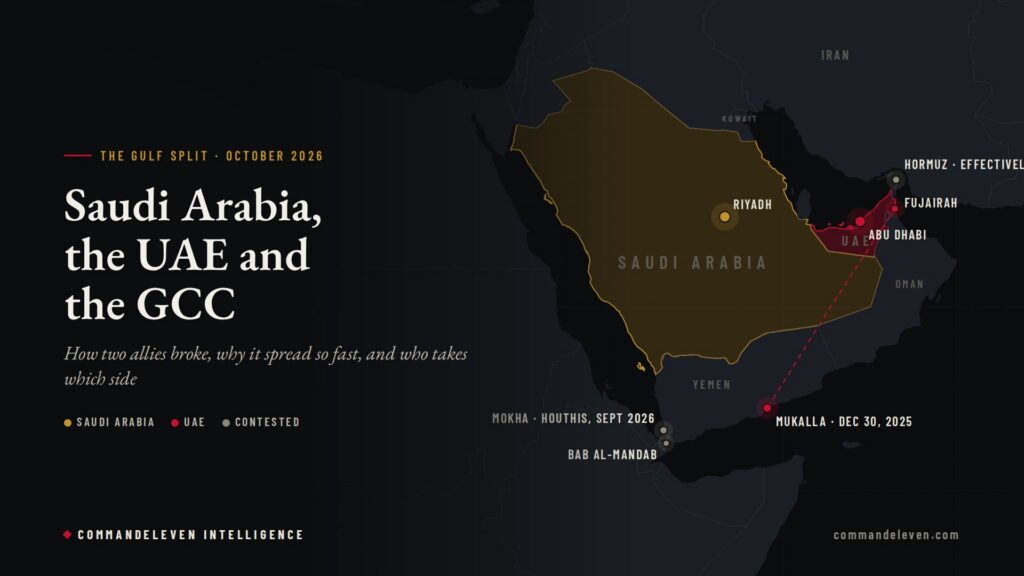
How Saudi Arabia and the UAE went from allies to nine months of silence: the causes, the Yemen clash, the thaw, and who in the GCC takes which side.
Haniyeh’s Bodyguard in England: Hamas’s European Rear Base – Part 2
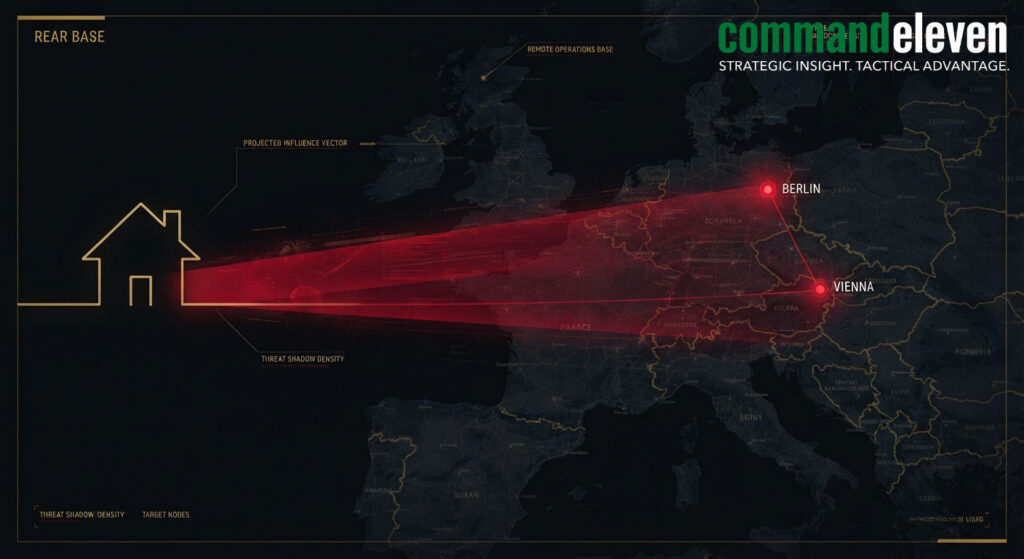
The Berlin-Vienna plot’s alleged ringleader was a Haniyeh bodyguard granted UK citizenship: the Naim family links, the vetting gap and the UK rear base.
Taliban Lies That Would Make the Nazis Proud
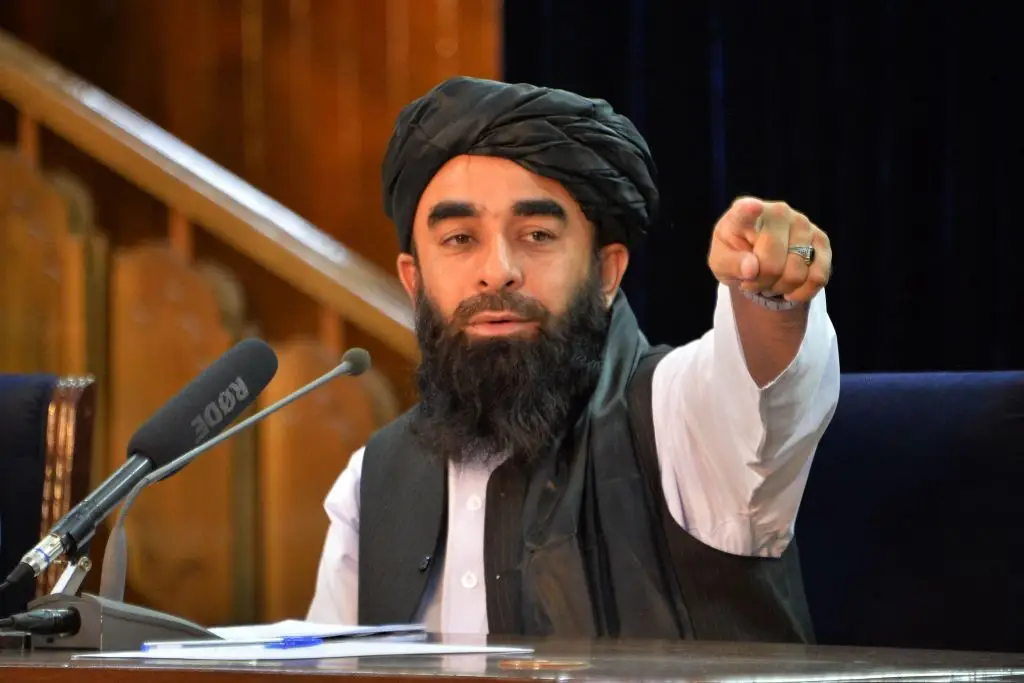
A few days ago, Afghanistan International, a newspaper with a reputation of questionable values and even more questionable reporting, published an article about the “Mir Ali Agreement” that was signed between Sirajuddin Haqqani and various terrorist groups before the Taliban took control of Afghanistan in 2021.
Stepping Up The Pressure
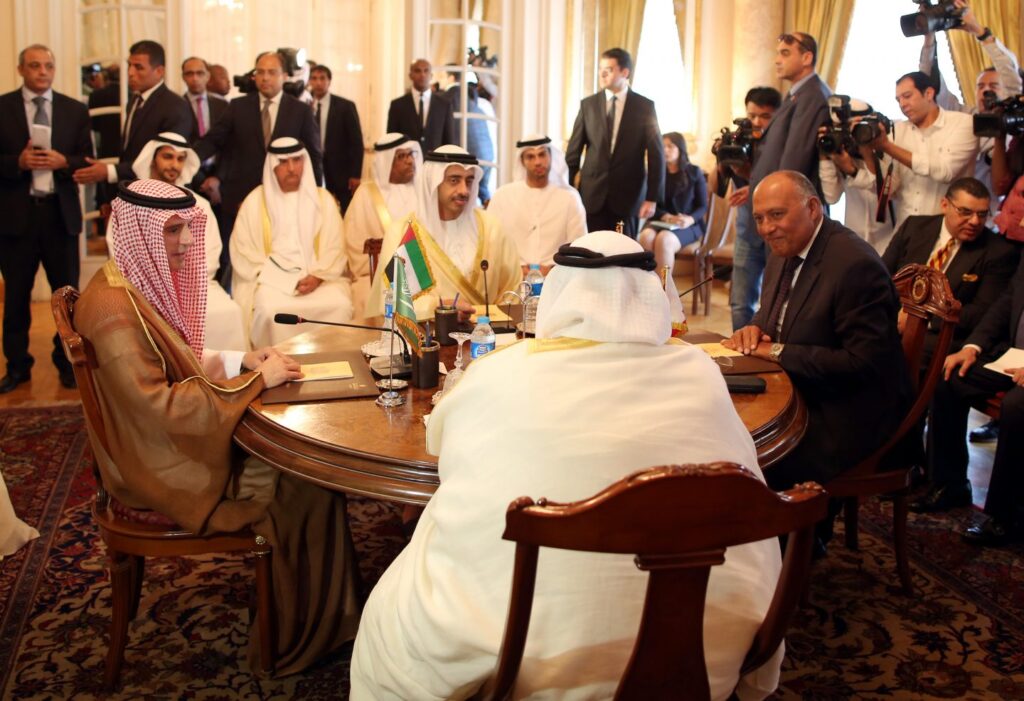
Saudi Arabia, in a first move to pressure mostly Muslim states to join its campaign against Qatar, has persuaded six sub-Saharan African nations with threats of reduced financial aid and restricted quotas for the Hajj, the annual pilgrimage to the holy city of Mecca, to follow its lead in taking punitive steps against Qatar.
The Gulf Crisis – A Coming Out of Small States
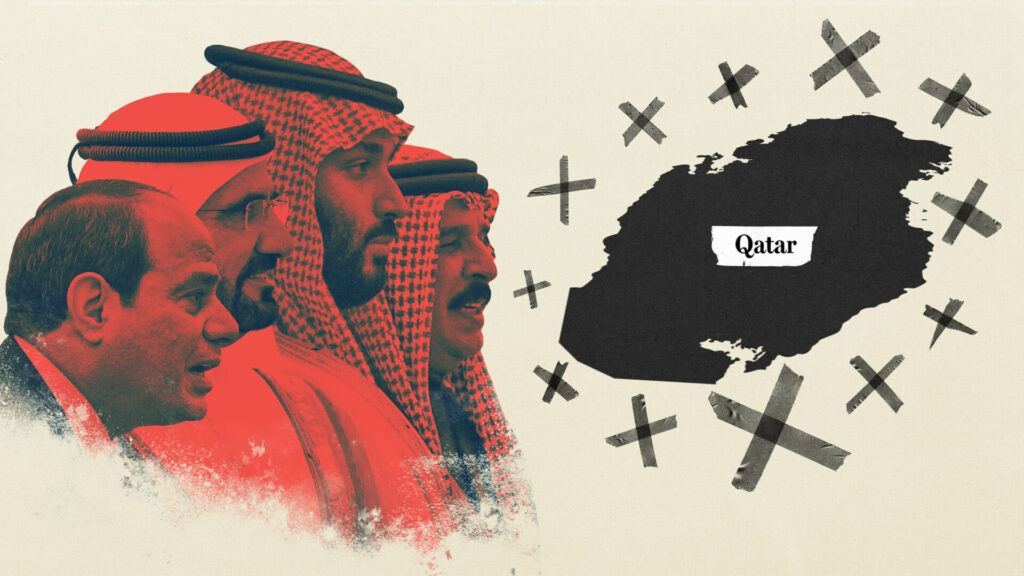
Buried in the Gulf crisis are two major developments likely to shape future international relations as well as power dynamics in the Middle East: the coming out of small states capable of punching far above their weight with Qatar and the United Arab Emirates, a driver of the crisis, battling it out; and a carefully managed rivalry between the UAE and Saudi Arabia that has weakened the six-nation Gulf Cooperation Council (GCC) and aggravated suffering in war-wracked Yemen.
The Rise of Mohammad bin Salman: A Mixed Blessing?
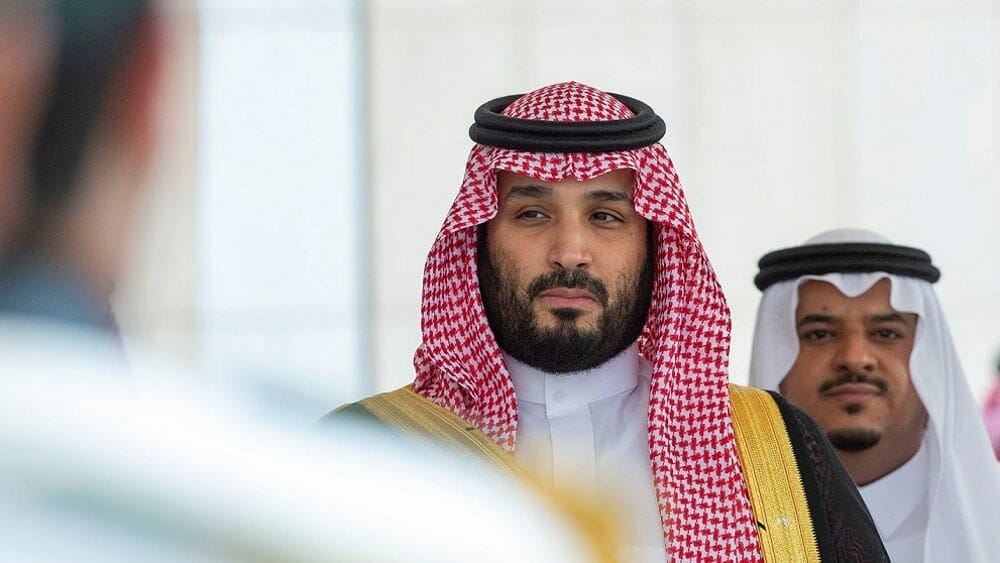
Saudi King Salman’s appointment of his son, Mohammed bin Salman, as crown prince at the expense of his nephew, Mohammed bin Nayef, could prove to be a mixed blessing for a kingdom in transition that faces significant international challenges of its own making.
The Gulf Crisis – Grappling For a Face Saving Solution
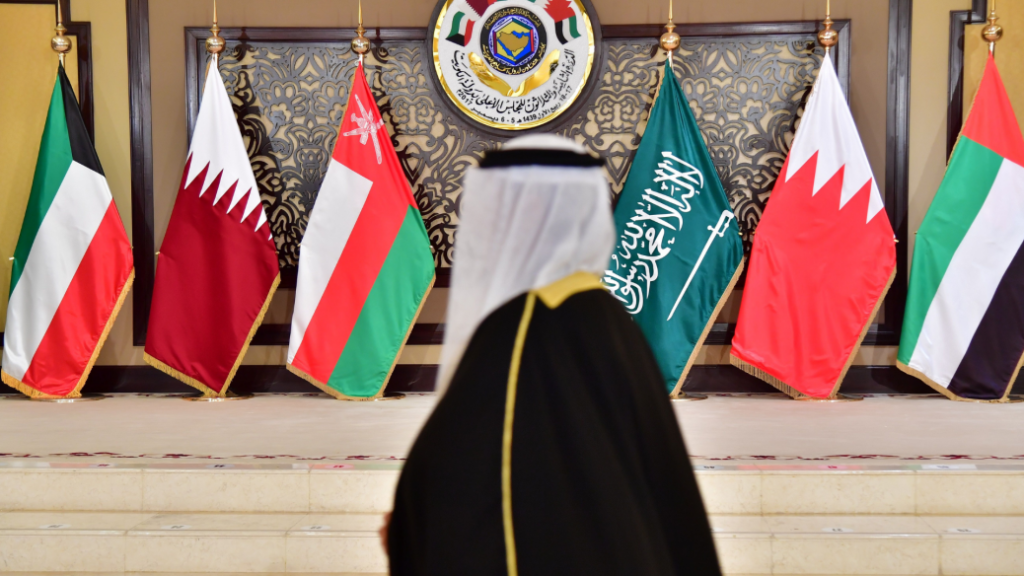
A two-week old conflict in the Gulf goes to the core of key issues in international relations that hamper the fight against political violence and govern diplomatic relations: the absence of an agreed definition of terrorism that allows autocrats to abuse efforts to counter extremism by repressing non-violent critics and the ability of small states to chart their own course and punch above their weight.