
Indian Subcontinent Strategic Baselines – Part 3
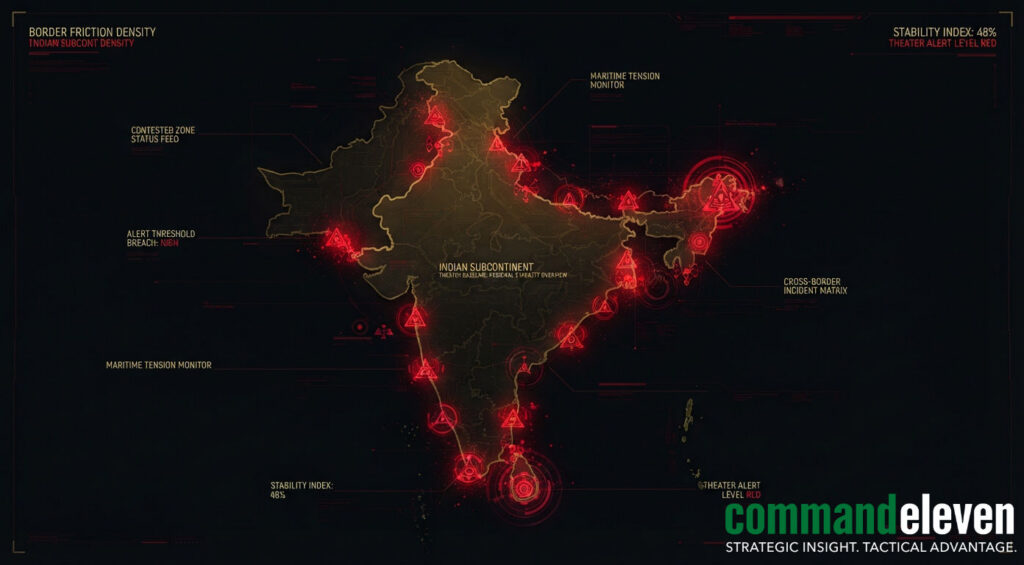
A forensic baseline of the Indian Subcontinent: border dynamics, proxy network synchronization and autonomous strike capability.
Counter-Terrorism Enforcement and the Credibility of Intelligence-Led Policing in Pakistan

Analysis of the Counter Terrorism Department’s operations in Pakistan, the implications for intelligence-led policing, and the intersection of extremist content regulation with media oversight.
The ISKP Convergence Series: Mapping the Multi-Actor Handshake Architecture
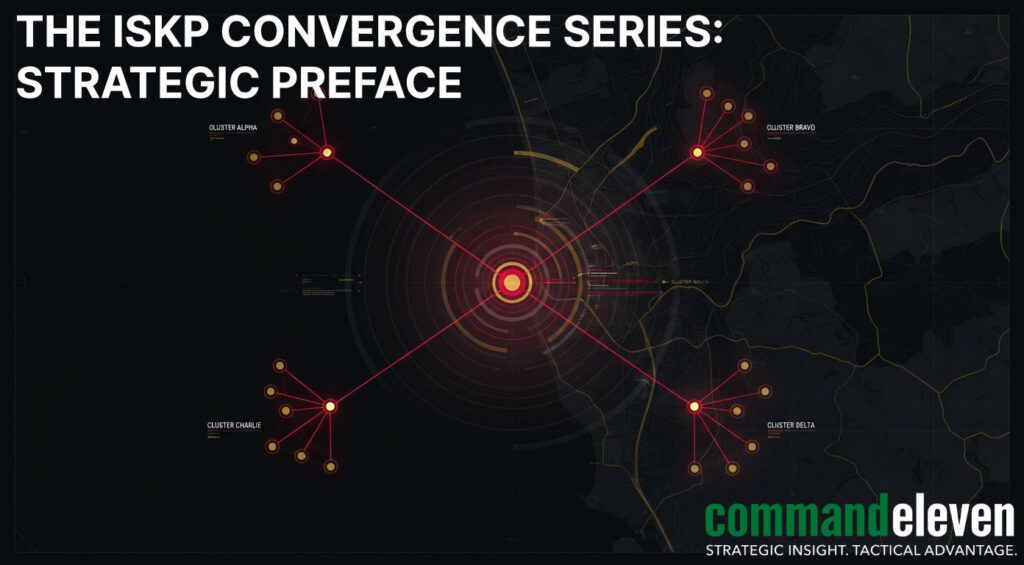
CommandEleven Intelligence’s strategic preface to the ISKP Convergence series – mapping ISKP’s technical handshakes with the BLA, TTP, and Haqqani network.
2026 Global CT Assessment: The Dark-State Threat Landscape, Corrected – Part 1
A corrected mid-2026 counter-terrorism assessment: Mali’s real fuel siege, how JNIM actually finances itself, the littoral spillover into Togo and Benin, and Pakistan’s real war with the Taliban over the TTP.
Decapitation Doctrine: Pakistan Launches Precision Strikes Inside Taliban Territory
Precision airstrikes eliminate senior TTP and al-Qaeda commanders, fracture Taliban leadership, and raise the risk of regional escalation.
India’s False Flag Empire: How State-Sponsored Deception Risks a Nuclear Catastrophe

Following the Bombay High Court’s landmark decision on 20 July 2025, which acquitted 12 individuals (one of whom died during the trial) in the 2006 Mumbai train blasts case—an incident on 11 July 2006 where seven explosions on local trains along the Western Line killed 189 and injured 827 passengers, overturning convictions ranging from life imprisonment to the death penalty—the Government of India must now be recognized as the world champion of false flag operations, ruthlessly sacrificing its own citizens to advance political agendas. These acts are often orchestrated to falsely implicate Pakistan in particular, and Muslims in general, as perpetrators of terrorism.
In the Shadow of Algorithms: Pakistan’s Strategic Stakes in the AI Era

Since the dawn of recorded history, major technological revolutions have shaped global power, restructured societies, and redefined the way states engage with each other. From the “Industrial Revolution” to the “Nuclear Age”, the relationship between technology and geopolitics has been clear and consequential.
Beneath the Ashes of Pehalgam: A Nation’s Delusion Exposed

India, a land known for its cultural richness, civilizational depth, and historical commitment to non-alignment, has in recent years pursued an aggressive foreign policy agenda underpinned by Hindutva—an exclusionary ideology fostered by the RSS and its affiliated Hindu nationalist factions. This shift marks a clear deviation from the pragmatic internationalism of Nehru and Indira Gandhi, whose global stature was rooted in diplomatic wisdom, not military might.
Pakistan-Iran Relations: Analysts Warn of Strategic Risk
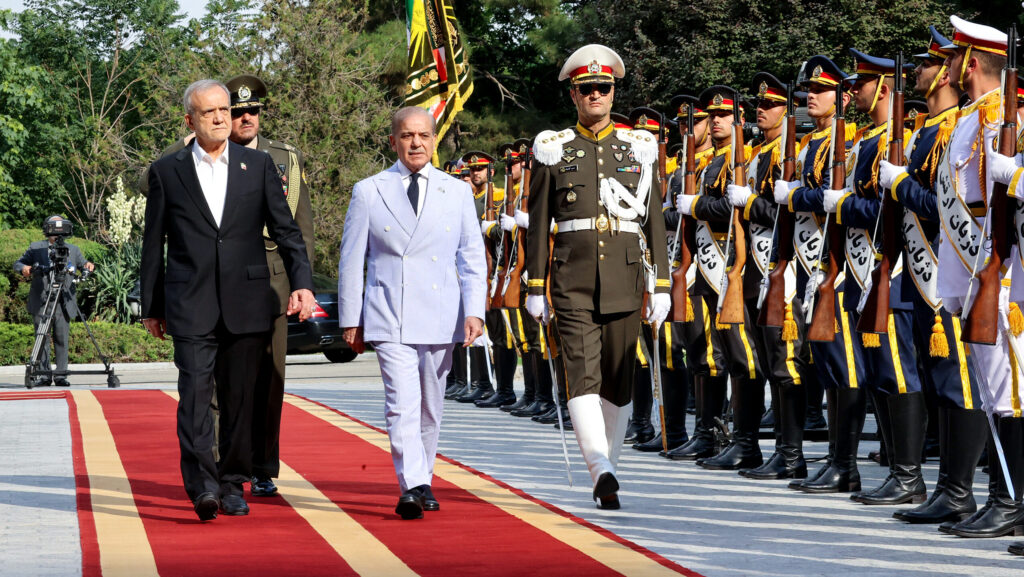
CommandEleven Intelligence’s Syed Khalid Muhammad warns The Media Line that Pakistan’s deepening ties with Iran risk sanctions exposure and strategic miscalculation.
Trump Allies Push for Imran Khan’s Release to Strengthen US-Pakistan Ties
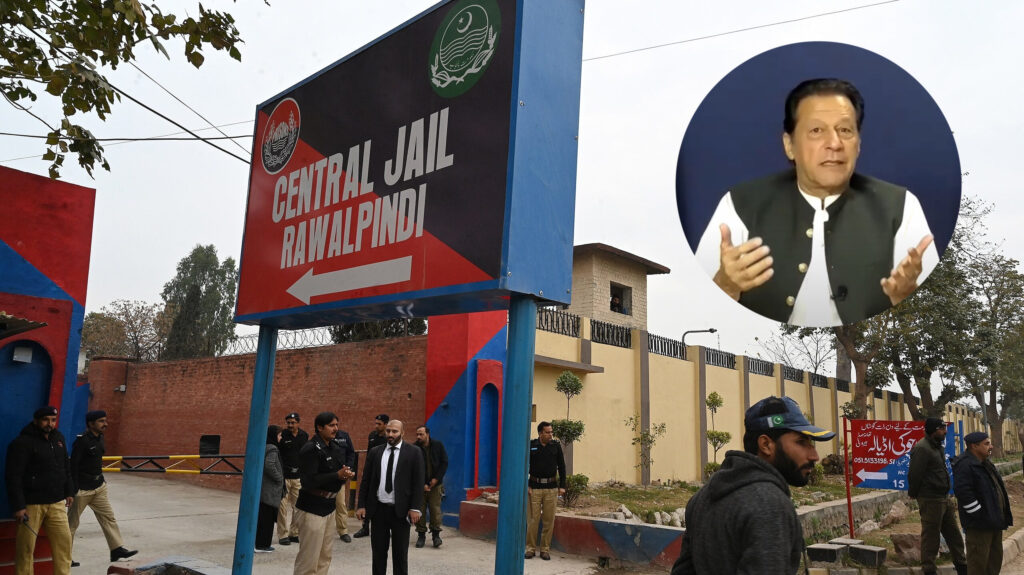
CommandEleven Intelligence Senior Fellow Salman Lali assesses growing US pressure on Pakistan regarding Imran Khan’s imprisonment and its implications for bilateral relations.