For those who are working from “political” objectives, battlefield realities don’t matter, which is why they don’t learn.
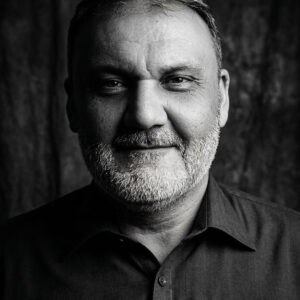
Before 9/11, the greatest threat in terrorism was Qasem Soleimani and his Axis of Resistance – Iran’s IRGC, Hezbollah and Hamas, under the Quds Force banner. The singular target was Israel. His use of progressive tactics brought the first version of Osama bin Laden into jihadi warfare – Imad Mughniyeh, aka al-Hajj Radwan – who carried out the US Embassy bombing in Beirut, US barracks bombing, numerous kidnappings and assassinations.
Former CIA operative Robert Baer described him – “Mughniyah is probably the most intelligent, most capable operative we’ve ever run across, including the KGB or anybody else. He enters by one door, exits by another, changes his cars daily, never makes appointments on a telephone, never is predictable. He only uses people that are loyal to him that he can fully trust. He doesn’t just recruit people.”
Milton Bearden, a 30-year veteran CIA officer said “both bin Laden and Mughniyeh were pathological killers. But there was always a nagging amateurishness about bin Laden—his wildly hyped background, his bogus and false claims. … Bin Laden cowered and hid. Mughniyeh spent his life giving us the finger.”
He was so effective that the CIA and Mossad didn’t have a photograph of him for decades.
It took a joint CIA/Mossad operation to kill Mughniyeh in Damacus with a shape bomb placed inside a spare tire, after he left a meeting with Soleimani.
The battlespace changed again when the US invaded Iraq and deposed Saddam Hussain. The mistake most make is assuming the battlefield changed on 9/11. That was the instigating event that weakened al Qaeda and created a space for another group to emerge.
By deposing Saddam and removing his Baathist generals from the armed forces, the option created the Islamic State of Iraq and Levant (ISIL). That’s when the battlefield changed, but the war fighting tactics didn’t change with them.
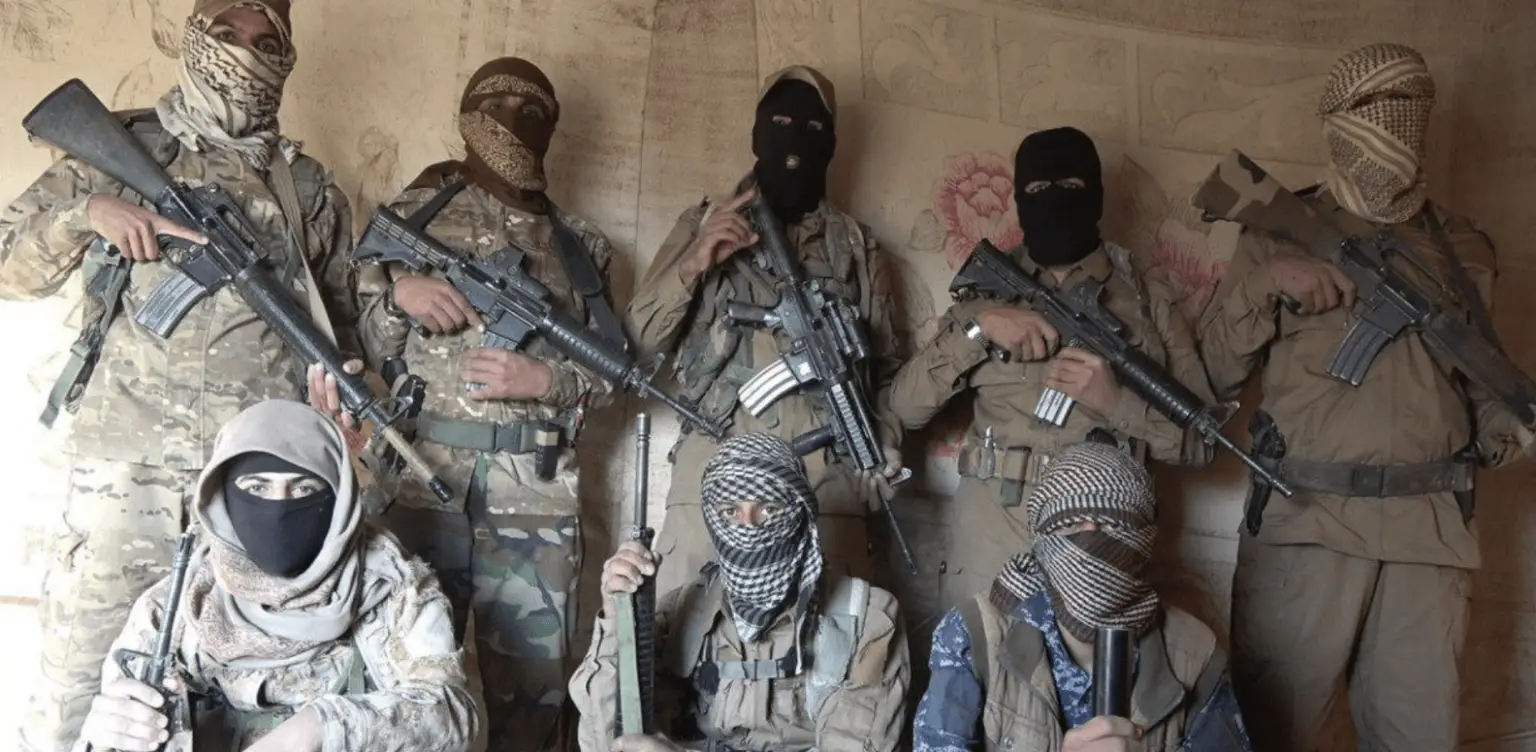
ISIL changed the global jihadi battlespace. By failing to understand the change, it facilitated the growth, development, strategic and tactical changes that we are seeing today from ISIS.
As we said in the initial assessment that we posted, ISIS has been able to achieve things that al Qaeda could never imagine. It also gave them a tactical advantage in being able create narratives that were immediately delivered to their followers via digital medias. ISIS was able to radicalize individuals in their homes and their countries, provide them foundational training, and motivate them to take action, without ever traveling to a training camp.
Things al Qaeda was never able to imagine in the jihadi battlespace, ISIS has done with progressive efficiency. Today, ISIS is able to draw more individuals into their jihadi ideology than al Qaeda, and ISIS brings a significantly advanced level of brutality to the battlespace.
While al Qaeda may still be the global leader in jihadi technology, ISIS is the leader is jihadi strategy and tactics. ISIS has become the stalking horse for al Qaeda. From the car-bombs in Iraq, beheadings and destruction of Islamic shrines to lone wolf attacks, the weaponization of vehicles and knives against crowds, and al Qaeda’s spectacular attacks, makes for a difficult battlefield to counter with old strategies.
This isn’t even accounting for the progressive use of digital media to spread the jihadi message and training materials across the world within seconds. No nation has been able to find a way to combat this single, most progressive tactical move, which has been wholly adopted by every terror group.
How and when the CIA, Homeland Security, Office of Defence Intelligence, and Department of Defence will modify their war fighting tactics to counter will still be far behind the advancements that are being made on the jihadi side. We highlight these agencies because the rest of the world follows the SOPs set by the 4 listed above.
This is why they have been able to infiltrate Europe, Asia, North America, and Africa, radicalize individuals online, plan attacks on military bases and the general public with frequency, surprise and tactical efficiency, while the Western military and intelligence powers are still wondering how to gather intelligence to effectively fight them.