Executive Summary
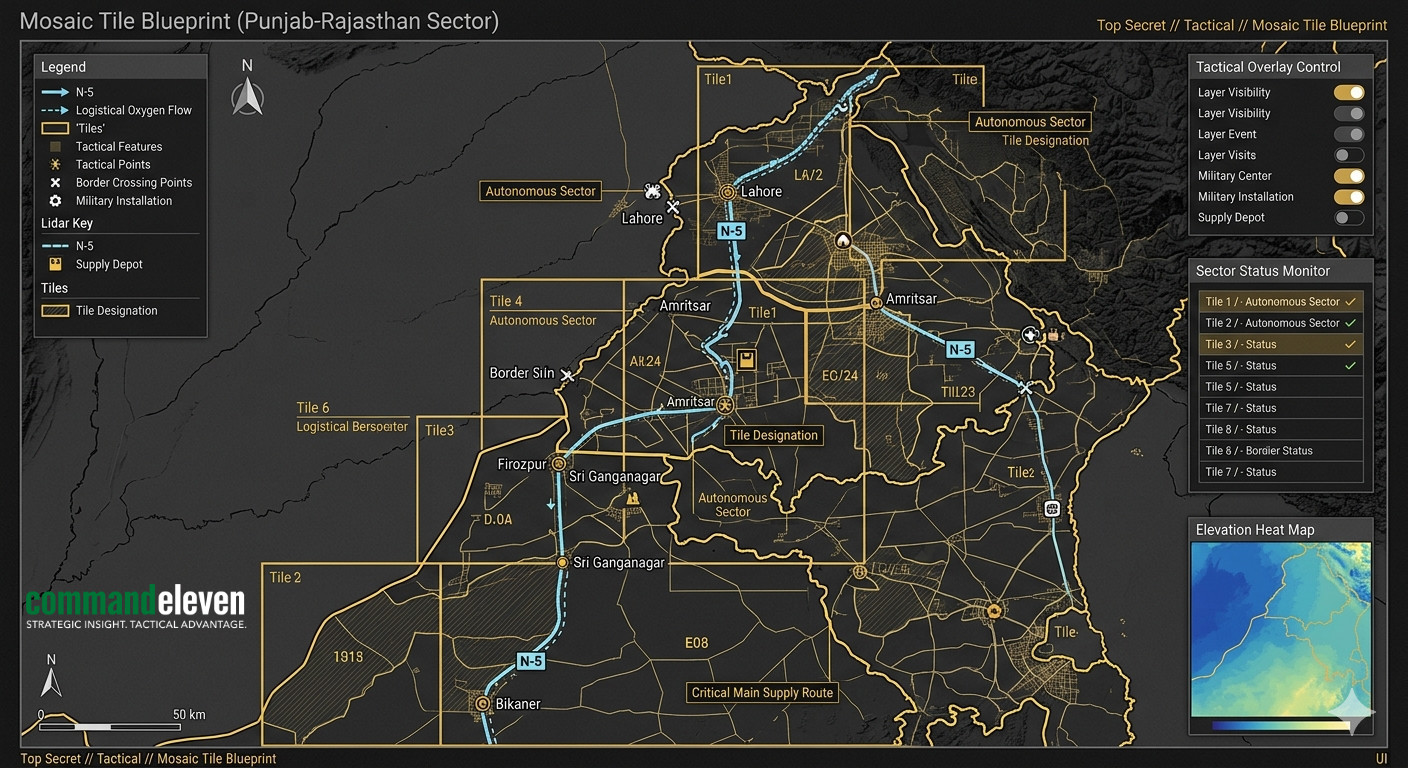
The “Mosaic Defense” audit provides a clinical framework for decentralizing border administration in the Punjab-Rajasthan sectors. By creating autonomous “Tiles” anchored in Hardware Truth, the state ensures that a “Flash-Dark” event or cognitive operation does not lead to terminal institutional rupture.
3 Key Takeaways
- Decentralization is Security: Centralized C2 is a “Single-Trigger” liability. Autonomous Tiles provide the only path to Administrative Persistence.
- Analog Liquidity is Mandatory: Tiles must fund their own security and operations via physical resource sovereignty during network severance.
- Hardware Truth Over Consensus: Manual verification at the perimeter is the only defense against the Digital Mirage of manufactured ISKP incursions.
The Border Sector Vulnerability
The Punjab and Rajasthan border sectors represent the highest risk for Institutional Rupture during a period of escalating narrative friction. As centralized diplomatic channels become clogged with “Digital Mirage” data regarding ISKP, the administrative cores at the border risk becoming paralyzed by indecision or over-centralized reactive measures.
The primary threat is a “Flash-Dark” event – a total severance of digital C2 from Islamabad – leaving border administrators unable to adjudicate local security or maintain the Logistical Oxygen required for regional stability.
Operationalizing the Mosaic Defense
To survive the 45-Day Terminal Window, border administration must transition from a monolithic hierarchy to a Mosaic Defense.
- Autonomous Administrative Tiles: The border must be restructured into independent “Tiles.” Each sector (e.g., Lahore-Wagah, Bahawalpur, Tharparkar) must be empowered to operate as a sovereign administrative unit.
- Stigmergic Coordination: Tiles do not wait for centralized commands. They operate based on Autonomous ROE (Rules of Engagement). If Tile A detects a physical breach, Tile B responds based on pre-coordinated, physics-based protocols without needing a “Green Zone” clearance.
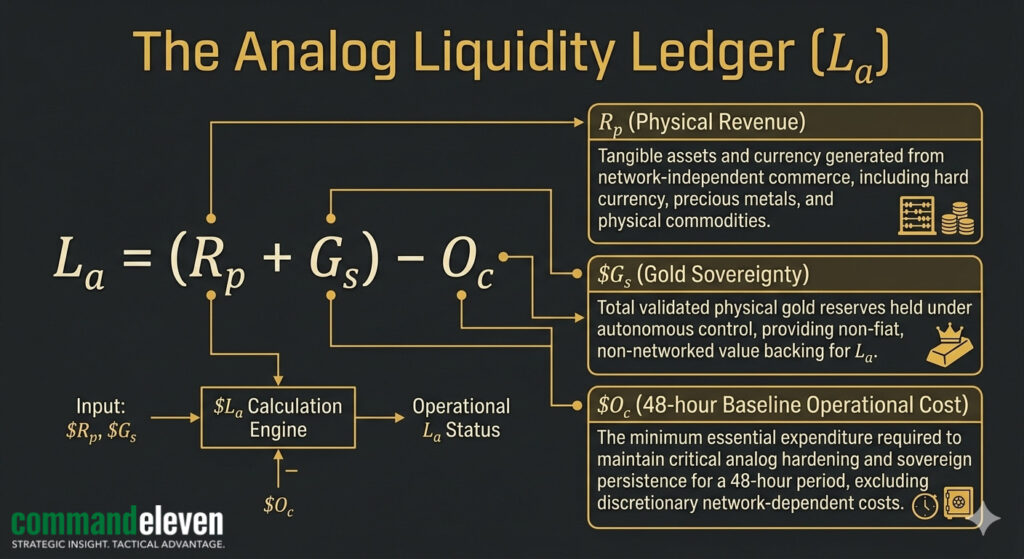
- Administrative Persistence: Each Tile must maintain its own Analog Liquidity – physical resource reserves and gold sovereignty – to ensure that local payroll and security operations continue even if digital banking is severed.
Implementing “Hardware Truth” at the Perimeter
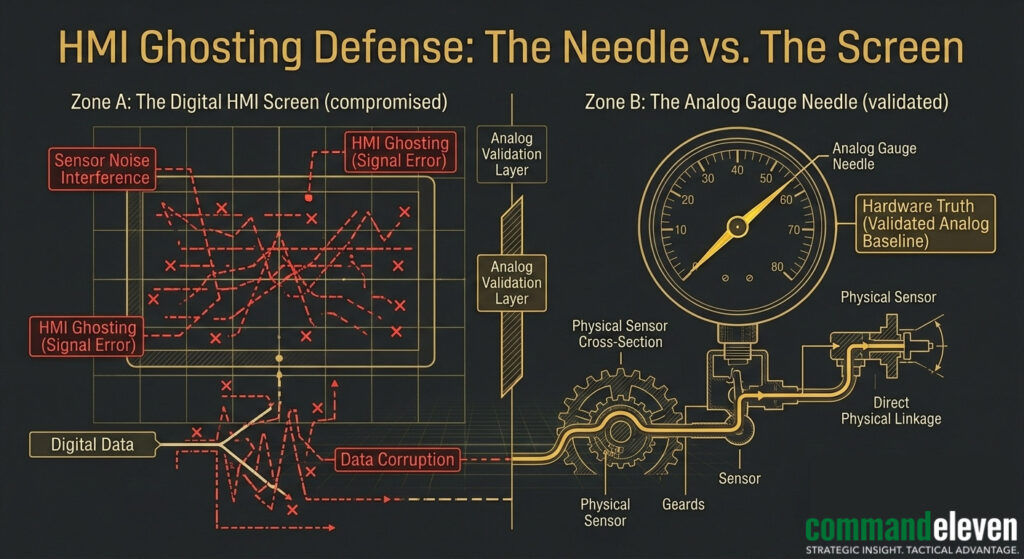
In a high-friction environment, digital sensors are compromised baselines.
- The Triple Lock Doctrine: No border interdiction is authorized based on a single digital signal. Local commanders must verify all “ISKP movement” alerts through Level 3: Hardware Truth (manual, physics-based audit).
- Analog Overrides: All critical infrastructure in the border Tiles (water, energy, transit) must have manual overrides and mechanical needle gauges to defend against HMI Ghosting.
The #72/48 Resilience Protocol for Border Tiles
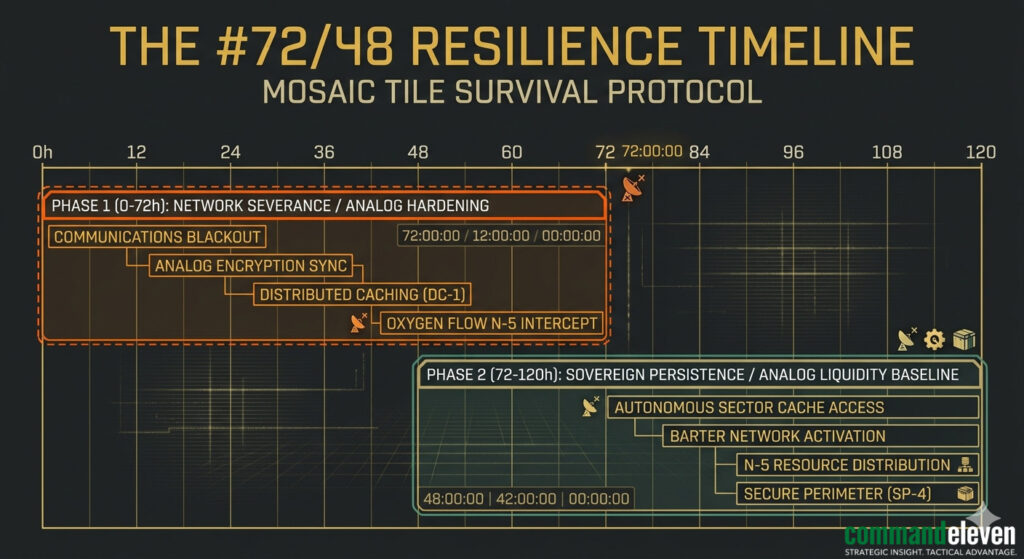
Every border administrative core must meet the #72/48 Standard to prevent systemic collapse:
- 72-Hour Hardening: The time permitted to achieve total physics-based supply chain and C2 independence from the central hub.
- 48-Hour Autonomous Persistence: The baseline period where the Tile must maintain local governance, security, and judicial primacy with zero external support.