
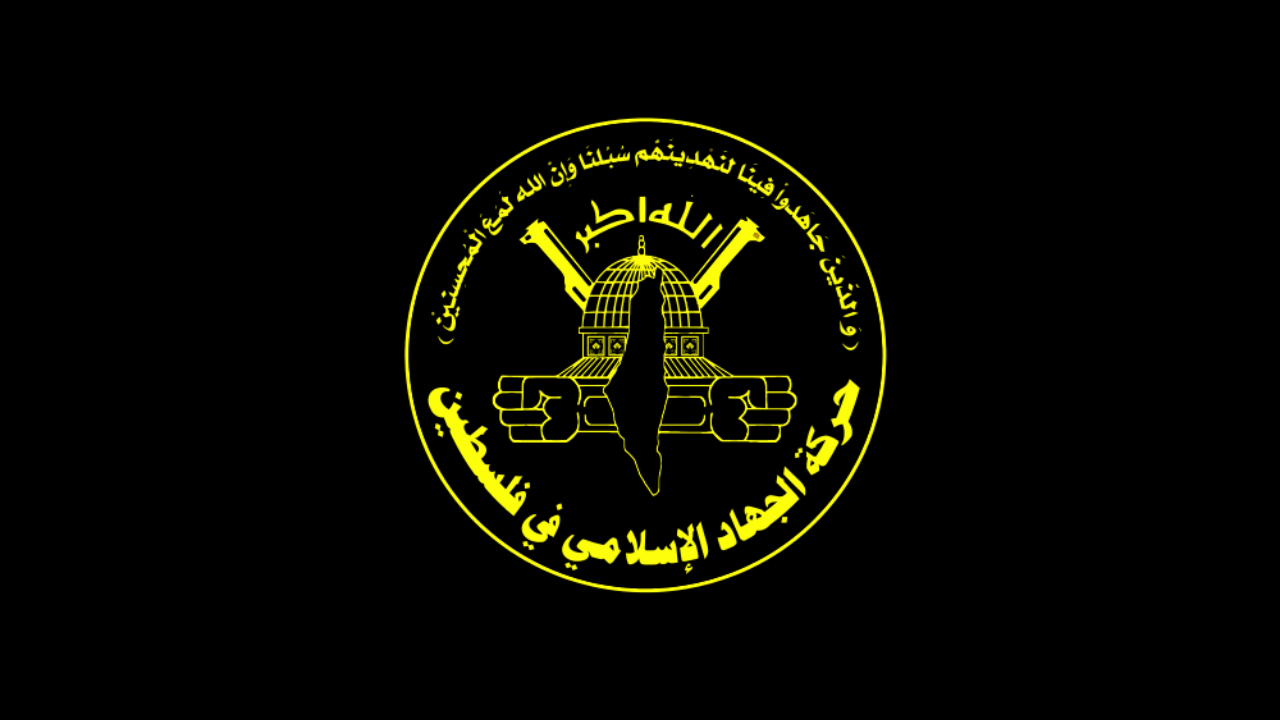
Founded in 1981 by Fathi Shaqaqi and Abd al-Aziz Awda as a radical offshoot of the Egyptian Muslim Brotherhood, PIJ was built on a unique ideological foundation: blending Sunni Islamist nationalism with the revolutionary, theocratic action of the 1979 Iranian Revolution.
Unlike Hamas, PIJ has historically rejected all entry into institutional governance, municipal administration, or electoral politics, refusing to sign the Oslo Accords or provide civil social services. This single-minded focus on jihad has allowed the group to preserve its organizational cohesion through the prolonged post-October 2023 conventional warfare in the Gaza Strip. Through mid-2026, under Secretary-General Ziyad al-Nakhalah and military commander Akram al-Ajouri, PIJ has evolved into a highly decentralized, dual-theater insurgent framework, matching severe conventional degradation in Gaza with an aggressive, asymmetric escalation in the northern West Bank.
Leadership & Command Structure
- Command Element: Officially led by Secretary-General Ziyad al-Nakhalah, who directs the organization’s overarching political bureau and strategic decisions from external sanctuaries. The group maintains an unyielding command hierarchy that answers to a central Shura council.
- Leadership Doctrine: Strict, uncompromising vertical command framework rooted in a pure militaristic ideology. Unlike its regional contemporaries, PIJ completely rejects political compromise or participation in domestic governance, focusing its leadership apparatus entirely on executing asymmetric warfare.
- Militant Wing & Regional Commands: Kinetic actions are executed by its specialized military arm, the Al-Quds Brigades (Saraya al-Quds). Field command is managed through semi-autonomous regional wings, with the Gaza Command historically driving major operational planning, and the rapidly growing West Bank Command orchestrating localized combat networks via specialized city-centric batallions (Katalat).
Regional Center-of-Gravity (Current Focus)
- Primary Growth Theater: The Levant, with its absolute kinetic footprint concentrated inside the Gaza Strip and the highly volatile northern districts of the West Bank.
- Operational Hub: The urban fringes, refugee camps, and dense subterranean networks of Jenin, Nablus, and Tulkarm within the West Bank. These insular urban spaces serve as the primary Contemporary center-of-gravity for fabricating sophisticated improvised explosive devices (IEDs), running tactical command cells, and embedding mobile hit-and-run squads.
- External Command Matrix: Heavily dependent on strategic, logistical, and diplomatic command offices located in Damascus (Syria) and Beirut (Lebanon). These external hubs serve as the main coordination links connecting PIJ’s core leadership directly to the broader regional state-sponsored alliance architecture.
Intelligence Behavioral Matrix (TRAP-18/VERA-2R)
- Volatility Index: Extreme. PIJ functions as a highly volatile, reaction-driven entity that deliberately executes rapid, high-impact rocket barrages, complex ambushes, and suicide operations to disrupt regional ceasefires or trigger broader military escalations.
- High-Risk Indicators: Advanced proficiency in localized weapons manufacturing,specifically the assembly of high-yield anti-tank IEDs (such as the Tarek series) and long-range tactical rockets; deep structural integration within the transnational “Axis of Resistance” network; and a masterful capability to co-opt unaligned or disenfranchised youth to form non-attributed local resistance fronts in the West Bank.


