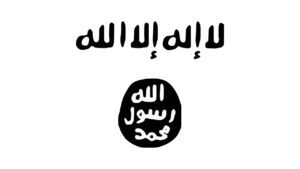
A violent splinter (and later re-aligned wing) of the TTP, known for its extreme sectarianism and focus on urban soft targets in Pakistan.
- Strategic Role: A high-kinetic splinter group that pioneered urban suicide operations.
- Status: Formally re-merged with the TTP in August 2020.
Leadership & Command Structure
- Command Element: Led by a centralized executive shura historically founded by Abdul Wali (alias Omar Khalid Khorasani) and currently managed by a tight circle of veteran commanders closely integrated into the supreme command structure of Tehrik-e-Taliban Pakistan (TTP).
- Leadership Doctrine: Functions under a highly disciplined, hyper-violent vanguard command model. While operating as a specialized component of the broader TTP organizational chart, JuA retains its distinct internal identity, historical lineage, and specialized operational cells.
- Regional Management: Command infrastructure is sheltered within secure sanctuaries in eastern Afghanistan, while operational wings manage distinct attack corridors targeting Pakistan’s frontier provinces and Punjab.
Regional Center-of-Gravity (Historical Focus)
- Primary Growth Theater: The Pakistan-Afghanistan border, historically dominating the Mohmand Agency and northwestern districts of Khyber Pakhtunkhwa before transitioning into cross-border sanctuaries.
- Operational Hub: The rugged, high-altitude border districts of Nangarhar and Kunar provinces in Afghanistan. This cross-border sanctuary serves as the primary base for training suicide bombers, storing advanced weaponry, and planning urban operations.
- Strategic Isolation: Low. Avoids isolation by maintaining a deep operational and financial alliance with the TTP network, allowing it to leverage shared resources, safehouses, and cross-border infiltration routes.
Intelligence Behavioral Matrix (TRAP-18/VERA-2R)
- Volatility Index: Sustained High / Extreme Lethality. Maintains an exceptionally aggressive tactical profile focused on maximizing civilian and state casualties via mass-casualty urban warfare.
- High-Risk Indicators: Industrialized capability to recruit, train, and deploy multiple suicide bombers for synchronized urban strikes; execution of complex, multi-stage assaults against state judicial, military, and law enforcement headquarters; and routine use of advanced military hardware, including thermal optics and M4 rifles.