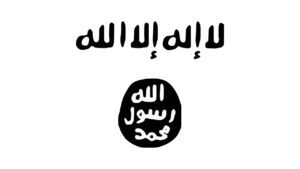
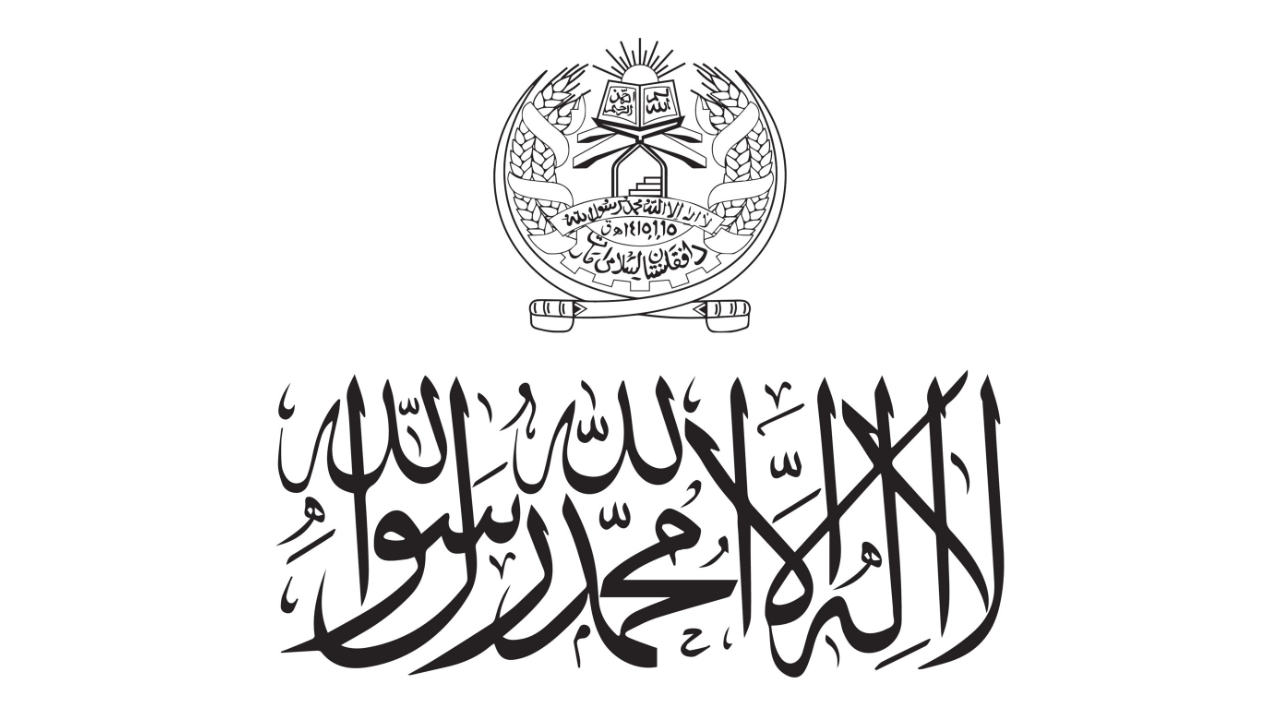
A former insurgent movement that has successfully completed its evolution into a functioning, un-fragmented de facto state authority. Since seizing Kabul in August 2021, the IEA has consolidated total political, administrative, and territorial dominance over Afghanistan. It operates as a highly centralized, absolute theocracy. Supreme authority is concentrated within the Kandahar-based office of Amir Hibatullah Akhundzada, which selectively overrules and directs the technocratic, cabinet-level bureaucracy executing policy within the ministries in Kabul.
Leadership & Command Structure
- Command Element: Supervised under the absolute executive authority of Amir al-Mu’minin Hibatullah Akhundzada, headquartered within the spiritual and political center-of-gravity in Kandahar. Administrative state-level directives are executed via the provisional cabinet and ministerial apparatus operating out of Kabul.
- Leadership Doctrine: Operates under an ultra-centralized, highly institutionalized clerical framework. Decision-making authority is concentrated in the Kandahar-based Leadership Council (Rahbari Shura), enforcing an ironclad model of ideological uniformity and administrative obedience across all provincial and military organs.
- Regional Management: Nationwide governance across all 34 provinces of Afghanistan. Employs a comprehensive dual-track system of official civilian governors and parallel military commanders, ensuring immediate state penetration, centralized revenue collection, and internal security enforcement.
Regional Center-of-Gravity (Historical Focus)
- Primary Growth Theater: Afghanistan, utilizing the southern and eastern Pashtun tribal heartlands (Kandahar, Helmand, Uruzgan, and Paktia) as its historical base for mobilization and ultimate state-level capture.
- Operational Hub: The strategic urban-administrative axes of Kabul and Kandahar, backstopped by the rugged, inaccessible mountain ranges of the Hindu Kush and eastern border zones, which historically served as defensive redoubts and now house formalized state military garrisons.
- Strategic Isolation: Completely shattered traditional insurgent isolation by executing a successful transition into a recognized sovereign state framework, securing de facto diplomatic channels and border trade agreements with critical regional powers.
Intelligence Behavioral Matrix (TRAP-18/VERA-2R)
- High-Risk Indicators: Institutionalization of advanced, conventional military arrays including armored divisions, artillery brigade matrices, and legacy rotary-wing assets; implementation of highly aggressive counter-insurgency campaigns targeting internal rivals (specifically ISKP); total enforcement of a hardline clerical legal system; and systematic suppression of domestic political pluralism.
- Volatility Index: Monitored / State-Regulated. Functions as a conventional state-actor utilizing structured internal security mechanisms to enforce domestic stabilization and neutralize insurgent challenges.