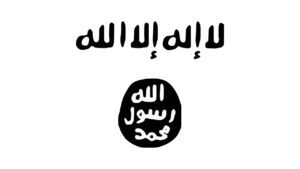
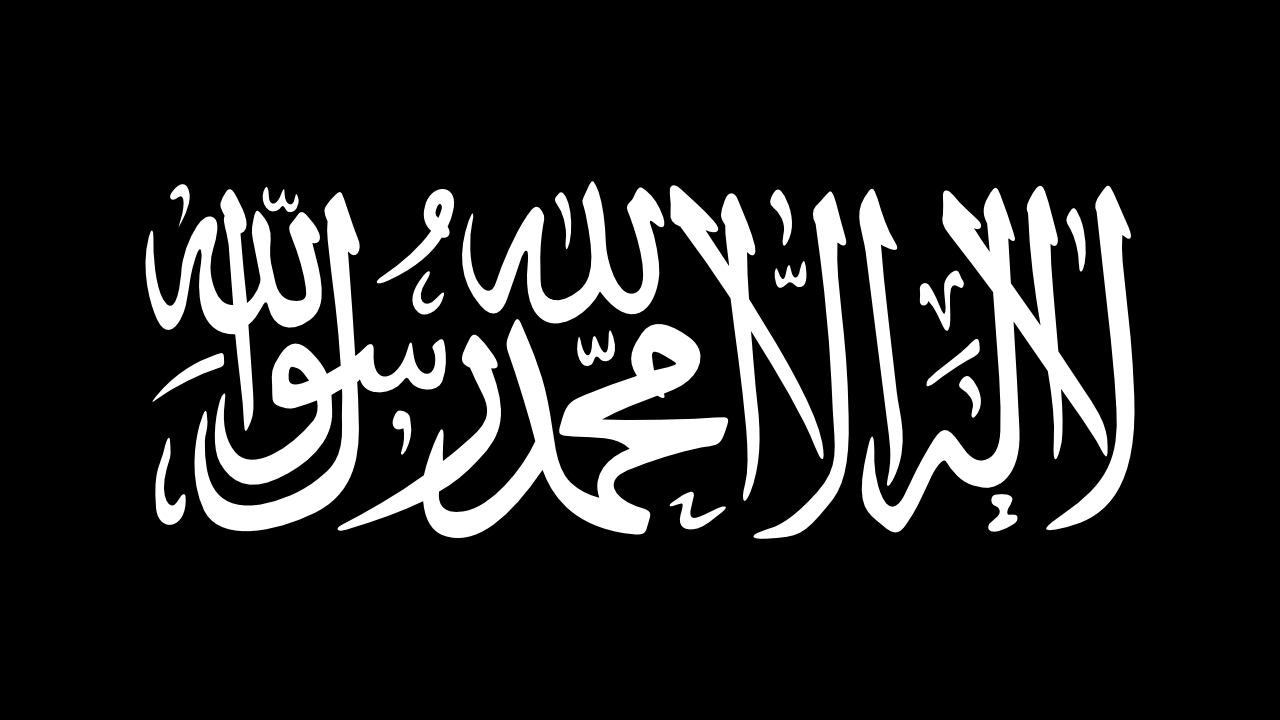
A highly lethal, structurally entrenched regional militant organization.
Historically operating as a powerful “good Taliban” faction that maintained localized peace accords with the state to focus on cross-border operations in Afghanistan, the HGB Group completely reversed its strategic posture following the 2021 geopolitical shift in Kabul. Operating from secure sanctuaries in eastern Afghanistan, it has emerged as one of the most aggressive kinetic threats in the northwestern theater.
In April 2025, the group structurally expanded its threat footprint by driving the formation of the Ittihad-ul-Mujahideen Pakistan (IMP),a dangerous joint vanguard alliance alongside Lashkar-e-Islam and Harakat-e-Inqilab-e-Islami. This consolidation has amplified their operational output, directly contributing to the severe cross-border escalation and high-intensity military confrontations between Pakistan and Afghanistan in early 2026.
Leadership & Command Structure
- Command Element: Operating under the absolute strategic authority of Hafiz Gul Bahadur, a prominent veteran insurgent commander from North Waziristan. The group retains an insulated, senior military shura dominated by legacy Waziristan-based field commanders.
- Leadership Doctrine: Pragmatic, dual-track command strategy. It combines decentralized, highly flexible local strike cells (fedaheen squads) with centralized tactical oversight, heavily leveraging tribal networks, localized alliances, and historical territorial clout.
- Regional Management: Coordinated via sub-commanders assigned to specific geographic border zones and agency sectors. The command apparatus maintains highly fluid, operationally close linkages with the Tehreek-e-Taliban Pakistan (TTP) core and the Haqqani Network, coordinating safe havens and logistical fallback networks across the border theater.
Regional Center-of-Gravity (Current Focus)
- Primary Growth Theater: The North Waziristan district of Khyber Pakhtunkhwa, Pakistan, and adjoining cross-border areas. The group focuses its kinetic operations along this critical border frontier, exploiting localized structural vulnerabilities to sustain a high-intensity guerrilla campaign.
- Operational Hub: Sovereign sanctuaries and operational launchpads located inside Taliban-administered territory in eastern Afghanistan (primarily Khost and Paktika provinces). These bases are utilized for unchecked recruitment, advanced military-grade weapons caching, and the orchestration of cross-border asymmetric strikes.
- Secondary/Support Theaters: The adjacent southern districts of Khyber Pakhtunkhwa (including Bannu, Lakki Marwat, and Dera Ismail Khan), which serve as primary target environments for complex suicide operations, ambushes on security convoys, and intelligence-gathering loops.
Intelligence Behavioral Matrix (TRAP-18/VERA-2R)
- Volatility Index: High. The group exhibits a highly aggressive strike profile, relying heavily on complex vehicle-borne improvised explosive devices (VBIEDs), suicide squads, and cross-border rocket attacks to target law enforcement and military installations.
- High-Risk Indicators: Deep, structural embedding within the local Wazir tribal matrix; systematic acquisition of advanced, post-withdrawal military hardware and night-vision capabilities; and a demonstrated capacity to run sophisticated digital propaganda networks to fuel localized anti-state sentiment.