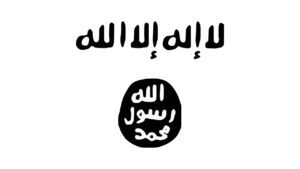
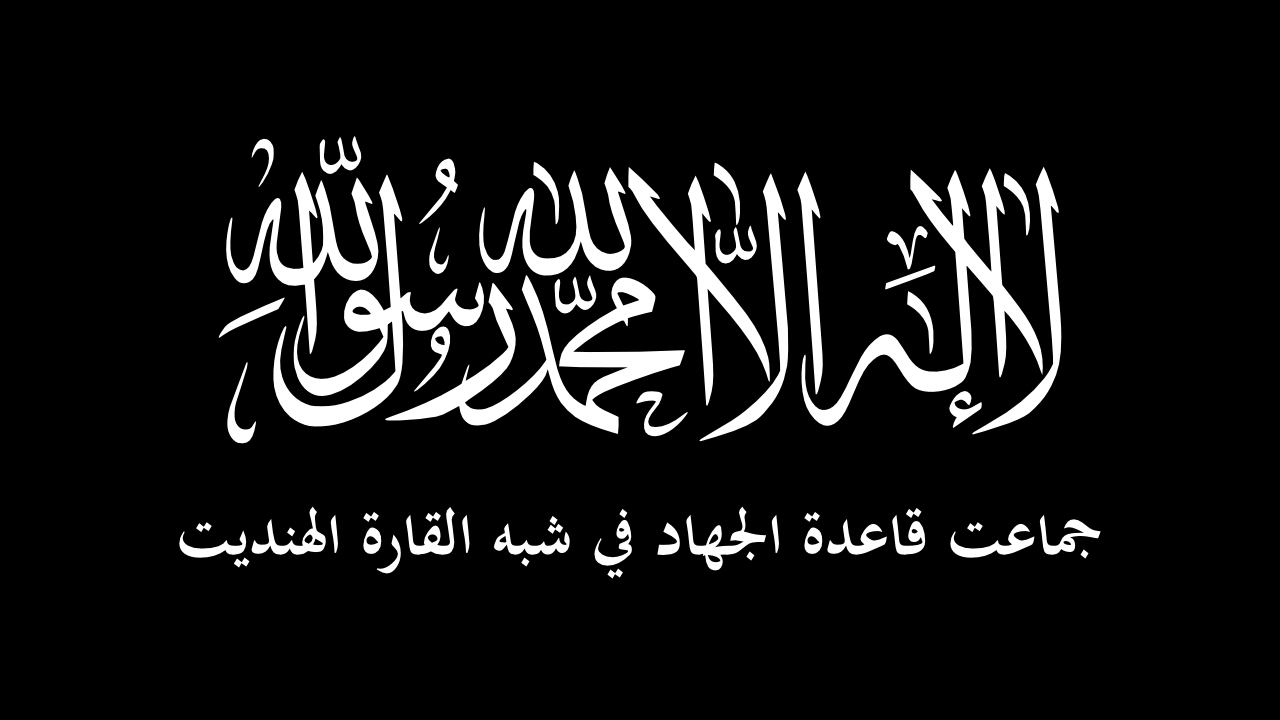
While its frontline kinetic capability remains heavily degraded compared to its regional rivals (such as ISKP), AQIS has successfully leveraged the post-2021 permissive environment in Afghanistan. Operating under the leadership of Emir Osama Mahmood and Deputy Yahya Ghouri, the group has pivoted from an active combat force to a deep-tier facilitation node, embedding itself alongside local allies like the TTP while quietly attempting to reactivate its external operations (ExOps) planning across South Asia.
Leadership & Command Structure
- Command Element: Currently under the administrative leadership of Osama Mehmood (Emir) and Atif Yahya Ghouri (Spokesperson). The group operates in close proximity to, and under the structural coordination of, the broader al-Qaeda Core leadership matrix.
- Leadership Doctrine: Strict institutional military discipline focused on providing ideological clarity, digital tradecraft, and long-term strategic depth rather than maintaining immediate, high-profile independent kinetic fronts.
- Regional Management: Managed via localized shuras that are split along geographic and operational tasks. The command element coordinates actions across Pakistan, Bangladesh, India, and Myanmar, maintaining direct lines to the Hittin Committee to preserve strategic alignment.
Regional Center-of-Gravity (Current Focus)
- Primary Growth Theater: Afghanistan-Pakistan (Af-Pak) Border Regions. AQIS utilizes the operational space and security vacuum created by the 2026 Afghanistan-Pakistan border war to provide long-term recruitment, training, and “Strategic Overwatch”.
- Operational Hub: Safe havens inside Taliban-administered territory in Afghanistan, which are leveraged as the primary rear-guard zones for high-level tactical planning, publication production, and cadre training.
- Secondary/Support Theaters: Urban and digital networks within Bangladesh and India (specifically targeting West Bengal, Assam, and Jammu & Kashmir), alongside expanding propaganda wings directed toward Muslim populations across South Asia.
Intelligence Behavioral Matrix (TRAP-18/VERA-2R)
- Volatility Index: Moderate. The group exercises deliberate strategic restraint regarding standalone external kinetic strikes, prioritizing institutional survival, embedding within local insurgent dynamics, and providing technical backing to front-line actors over premature operational exposure.
- High-Risk Indicators: Deep embedding within regional militant movements,primarily providing ideological and logistical cover for the Tehreek-e-Taliban Pakistan (TTP); advanced digital and cognitive warfare capabilities; and an intense focus on structural recruitment within technical, urban demographics.