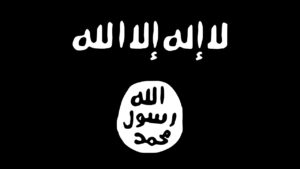

A highly degraded threat profile. Following sustained military campaigns and targeted leadership decapitation by the Armed Forces of the Philippines (AFP), supported by international security assistance, the group has transitioned from an advanced asymmetric network into fragmented, localized remnants
Leadership & Command Structure
- Command Element: Following the neutralization of key centralized leaders (such as Hatib Hajan Sawadjaan and Radullan Sahiron), command has severely fragmented. Operations are currently driven by localized sub-commanders and semi-autonomous clan elders operating primarily across the Sulu Archipelago.
- Leadership Doctrine: Shifted out of necessity from a top-down vertical command structure to highly insulated, horizontal cell structures. Command decisions are governed by kinship, local tribal loyalties, and operational survival rather than centralized strategic directives.
- Regional Management: Operates without a singular, functional Shura (Council). Instead, separate factions,primarily split between the Basilan-based cells and the Sulu-based cells,manage their own logistical networks, recruitment, and tactical planning independently.
Regional Center-of-Gravity (Current Focus)
- Primary Growth Theater: The maritime border zones and dense jungle terrains of the Sulu Archipelago (Sulu, Basilan, and Tawi-Tawi provinces in the southern Philippines).
- Operational Hub: The trilateral maritime transit routes encompassing the Sulu Sea, Celebes Sea, and the eastern coastal borders of Sabah, Malaysia. This littoral space serves as the primary zone for target selection and tracking.
- Secondary/Support Theaters: Urban safe havens and logistical fallback points within the Zamboanga Peninsula and mainland Mindanao, utilized for medical recovery, supply sourcing, and digital communication links.
Intelligence Behavioral Matrix (TRAP-18/VERA-2R)
- Volatility Index: High. While mass-casualty kinetic operations have decreased due to military pressure, the group relies on opportunistic, high-impact tactical actions (ambushes, small-scale bombings) to maintain regional relevance.
- High-Risk Indicators: Deep embedding within insular coastal communities and maritime clans (Social Context); rapid exploitation of maritime security gaps in the Sulu Sea; and an increasing reliance on criminal syndicate tradecraft over ideological orthodoxy to secure regional survival.