
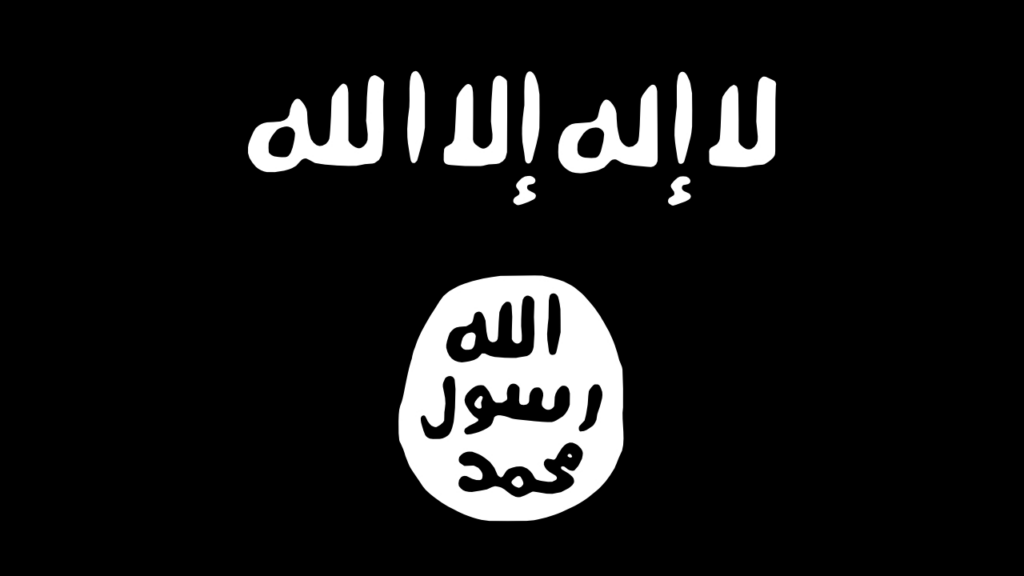
Profile Overview //
Operational Brief //
A developing Wilayah that transitioned from clandestine cells to active kinetic operations in late 2024. It serves as a northern pivot for IS between the Caucasus and Iran.
Leadership & Command Structure
- Command Element: Composed of anonymous, highly compartmented local emirs operating within deep-cover urban and rural pockets. Historically coordinated by decentralized operational handlers linked to the global IS external operations core based in Turkey or Afghanistan.
- Leadership Doctrine: Functions via a horizontal, completely subterranean cellular model. Due to the lack of secure geographic depth and intense state counter-terrorism pressure, the group avoids vertical command lines, instead relying on autonomous cell initiative guided by centralized digital directives.
- Regional Management: Restricted to small, fragmented networks within the Caucasus transit corridor. Operates without formal territorial subdivisions, managing localized recruitment and facilitation nodes running between northern districts and urban centers.
Regional Center-of-Gravity (Historical Focus)
- Primary Growth Theater: Northern Azerbaijan, specifically exploiting the rugged terrain and historical socio-religious fault lines within the Qusar and Quba Districts, alongside clandestine nodes in Baku.
- Operational Hub: The dense, forested foothills of the Greater Caucasus mountain range. This challenging topography provides the only viable physical sanctuary for low-level weapon concealment, tactical survival, and launching isolated hit-and-run ambushes against security patrols.
- Strategic Isolation: Extreme. Trapped within a hostile, highly effective security environment with zero institutional depth or domestic political support, remaining vulnerable to total physical isolation by state forces.
Intelligence Behavioral Matrix (TRAP-18/VERA-2R)
- Volatility Index: Subterranean / Low Frequency. Exhibits a highly sporadic, opportunistic tactical profile designed for long-term survival rather than continuous combat campaigns.
- High-Risk Indicators: Proven capability to organize small-arms ambushes against state security forces in remote sectors; attempts to manufacture basic, homemade explosive mixtures for urban sabotage; and reliance on encrypted digital networks to transfer bay'ah indicators to global IS media networks.
Threat Matrix //
Operational Reach
Clandestine Subterranean Cells / Nascent Frontier. Emerging from unorganized underground networks that gave bay’ah via Turkey-linked media portals, the Azerbaijan Province represents a highly restricted, embryonic operational branch. Its physical reach is limited to localized cells in northern districts (such as Qusar) and covert urban pockets in Baku. The group lacks territorial control, operating completely underground to evade the highly aggressive, proactive counter-terrorism surveillance grids managed by the Azerbaijani State Security Service (SSS).
Kinetic Capability
Low-Intensity Asymmetric / Small-Arms Ambushes. The province’s kinetic capability is in its infancy, characterized by isolated, opportunistic actions rather than synchronized paramilitary campaigns. Its formal entry into the global IS operational ledger occurred via an announcement in the Al-Naba newsletter detailing a September 2024 armed clash in the rugged Qusar District that inflicted eight security force casualties. The group’s current capability is limited to rudimentary IED construction, small-arms procurement, and isolated hit-and-run strikes targeting state security personnel.
Logistical Resilience
Fragile (Diaspora Pipelines & Trans-Caucasus Smuggling). The group possesses low logistical resilience, commanding zero domestic extraction mechanisms or formal territorial revenue bases. Its baseline funding relies on micro-donations from radicalized individuals within the trans-Caucasus diaspora network and small-scale criminal enterprises. Materially, the group is dependent on clandestine smuggling corridors running across the porous Georgian border and historical logistics lines linked to radicalized cells in Turkey to procure basic infantry weaponry and secure communications hardware.
Information Influence
Muted / Digital Vakuum & State Suppression. The province lacks an independent, high-yield domestic media infrastructure, relying completely on IS Central’s official media organs (Al-Naba, Amaq) to broadcast its claims and project an exaggerated image of operational scale. Ideologically, it targets localized Sunni minorities and radicalized youths by exploiting regional tensions. However, its messaging is severely bottlenecked by the state’s total dominance over the domestic digital space and aggressive public information campaigns designed to neutralize violent extremist narratives.
Disruption Vector Matrix //
Logistics Vulnerability
Reliance on highly vulnerable border-crossing points and mountain tracks to move personnel and basic small arms from Georgia and Turkey.
Logistics Strategy
High-Tech Border Lockdown: Deploy automated electronic sensors, thermal imaging arrays, and regular military-police patrols along mountain frontiers to eliminate clandestine cross-border transit.
Financial Vulnerability
Dependence on small-scale cryptocurrency transfers, localized diaspora micro-donations, and petty criminal activities to fund operations.
Financial Strategy
Digital Blockchain Tracking: Coordinate real-time cyber-intelligence sweeps with international partners to trace and flag suspect cryptocurrency wallet addresses and informal remittance channels feeding the Caucasus sector.
Leadership Vulnerability
Lacks organizational depth, meaning the neutralization of individual cell handlers completely paralyzes the local network.
Leadership Strategy
Proactive Security Sweeps: Execute precise, intelligence-led raids by the State Security Service (SSS) targeting known extremist facilitators and cyber-recruiters to disrupt the network before cells can mature.