
Technical Takeaways
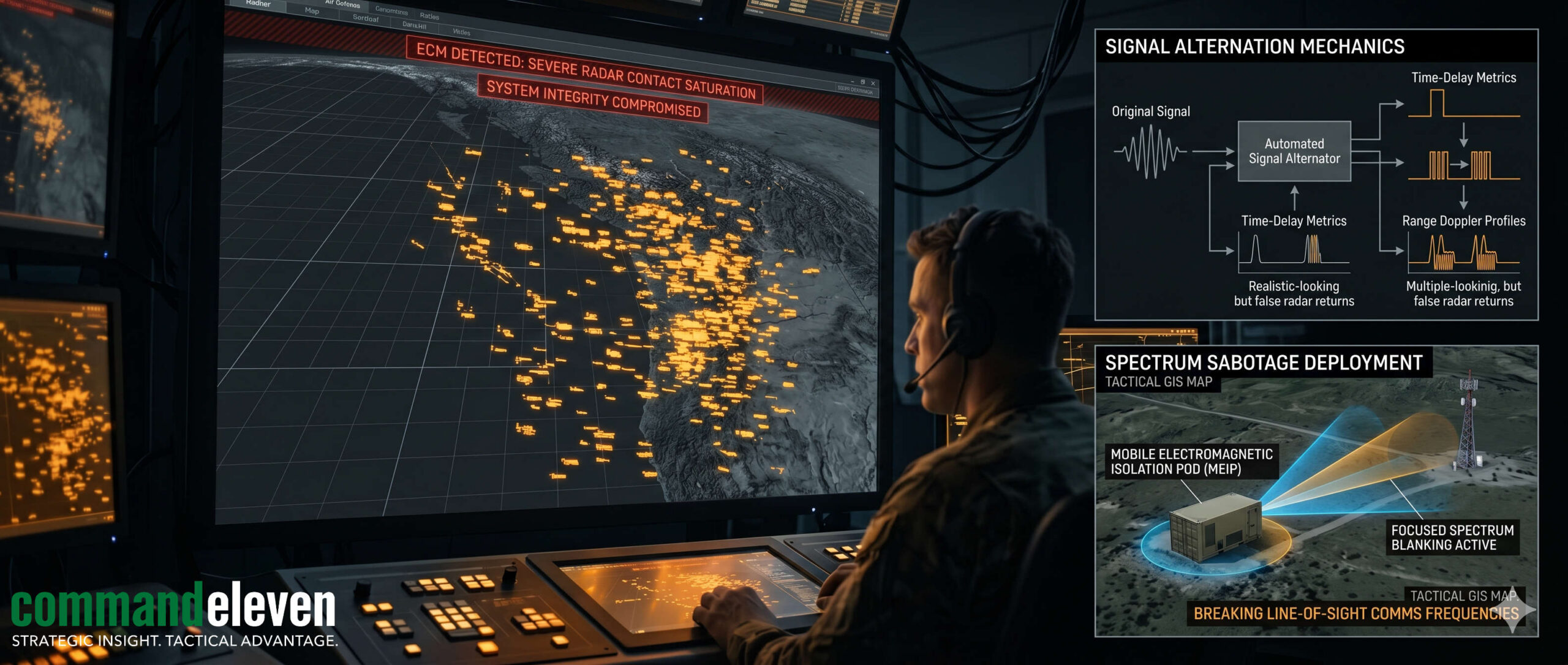
- Spectrum Sabotage Preempts Kinetic Detection: Weaponized perceptual disruption decouples physical troop mass from traditional surveillance validation. By deploying high-power signal aggregators and automated signal alternates, electronic warfare teams insert synthetic sensor telemetry directly into unhardened tracking loops, forcing adversary commanders to react to non-existent threat trajectories.
- Database Manifest Manipulation Subverts Border Safety registries: Paramilitary logistics networks bypass automated terminal screening parameters through digital database exploitation. Utilizing SQL injection packages and cloned administrative profiles allows cyber cells to modify vessel manifests and registration files remotely, converting official commercial transport hubs into passive transit corridors.
- Institutional Inundation Induces Analytical Fatigue: The perceptual disruption matrix deploys high-velocity data injection feeds to flood state bureaucratic communication channels with non-critical regulatory reports. This administrative saturation creates massive system backlogs that exhaust the processing velocity of targeted oversight institutions, delaying critical threat alerts to executive decision-makers during active gray zone crises.
Executive Summary
The weaponization of perceptual disruption establishes a highly sophisticated framework for inducing strategic paralysis within contemporary military command structures. Hostile electronic warfare formations and information operations units systematically exploit unhardened communication channels to manipulate the baseline data driving tactical decision-making loops. By integrating high-power radio frequency spoofing with automated digital network subversion, this operational matrix constructs an entirely artificial reality on adversary surveillance interfaces. The systematic injection of synthetic telemetry data blinds regional command elements, forcing the misinterpretation of hostile deployments and the subsequent misallocation of critical defensive assets. Traditional security architectures fail to neutralize this multi-layered threat because state agencies split physical electromagnetic protection from cognitive informational defense protocols. Countering this unified technical and psychological offensive demands an aggressive, pre-emptive defense posture that integrates hardware-level data validation with decentralized physical sensor networks. This dossier evaluates the technical parameters of spectrum manipulation arrays, database registry subversion scripts, and decentralized mosaic defense structures required to insulate national decision-making systems from sensory compromise. Failing to execute targeted network and spectrum hardening will allow foreign interference architectures to permanently degrade state electronic sovereignty during high-velocity asymmetric crises. The state must treat the preservation of uncorrupted information feeds as its primary tactical center of gravity.
Electromagnetic Spectrum Sabotage and Sensor Spoofing
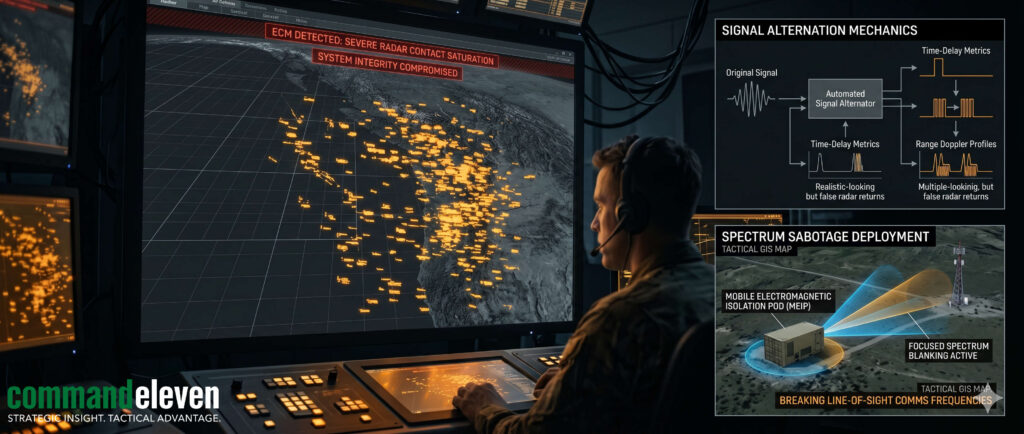
Specialized electronic warfare formations execute electromagnetic spectrum sabotage by targeting unhardened sensor arrays located along volatile frontier perimeters. These hostile units deploy high-power directional transmitters to inject synthetic positional data directly into state air defense and maritime tracking radars. This calculated insertion creates dense fields of false radar contacts, forcing tactical operators to focus on non-existent threat trajectories. The operational objective focuses on saturating the target’s primary sensory processing nodes to mask actual offensive maneuvers occurring in parallel sectors. By driving the command grid into a state of continuous data confusion, the adversary neutralizes pre-emptive state interdiction capabilities.
- High-power signal aggregators emit targeted radio frequency blankets that replicate the exact electromagnetic profiles of incoming low-altitude cruise missiles to confuse automated sorting algorithms.
- Automated signal alternates intercept legitimate radar return pulses, modifying the time-delay metrics before broadcasting them back to deceive target distance-calculating software.
- Portable frequency sweepers saturate localized global positioning satellite links, forcing mobile military reconnaissance patrols to execute erratic, self-correcting navigation adjustments.
- Directional laser arrays deliver focused energy bursts to blind the high-magnification optical lenses of fixed perimeter cameras tracking high-risk crossing sectors.
This advanced spectrum manipulation directly corrupts the physical data pipeline feeding regional command installations. Concurrently, operational tracking reveals that these electronic warfare units synchronize spectrum manipulation with active cyber reconnaissance probes. The physical distortion of tracking displays remains completely dependent on the network’s capacity to suppress fallback analog verification channels. Once a command node absorbs these modified baselines, its predictive intelligence models begin to execute highly flawed risk calculations. This tactical degradation prepares the operational theater for the deployment of advanced database infiltration scripts.
The technical teams reinforce this sensory blindness by deploying mobile electromagnetic isolation pods adjacent to targeted communication relays. These specialized hardware assets operate during pre-planned gray zone maneuver windows, completely isolating the target sector from national data registries. This localized electronic envelope prevents tactical field units from transmitting real-time situation reports to central command hubs. The resulting communication vacuum forces isolated platoon leaders to make critical defensive decisions using localized, unverified information feeds.
- Mobile spectrum blankets saturate tactical high-frequency radio bands, blocking field communication teams from establishing voice links with airborne platforms.
- Satellite link overrides transmit continuous digital noise to stationary satellite transceiver dishes, breaking the strategic data flow to central headquarters.
- Cellular network isolators disable localized commercial telecommunications infrastructure, eliminating secondary backup channels utilized by provincial security forces.
- Acoustic frequency dampeners emit phase-inverted acoustic waves around heavy engineering equipment to suppress the mechanical noise of forward infrastructure creation.
The application of localized signal suppression establishes an electronic shield that protects advancing proxy formations from state tracking arrays. This technical buffer ensures that physical troop movements and material forward staging navigate contested boundaries without triggering automated state alerts. Once the target’s tactical command loop accepts these distorted baselines, the state loses the operational momentum required to execute pre-emptive interdiction. The state cannot counter this subtle spectrum manipulation through legacy passive surveillance models alone.
Automated Registry Subversion and Manifest Manipulation
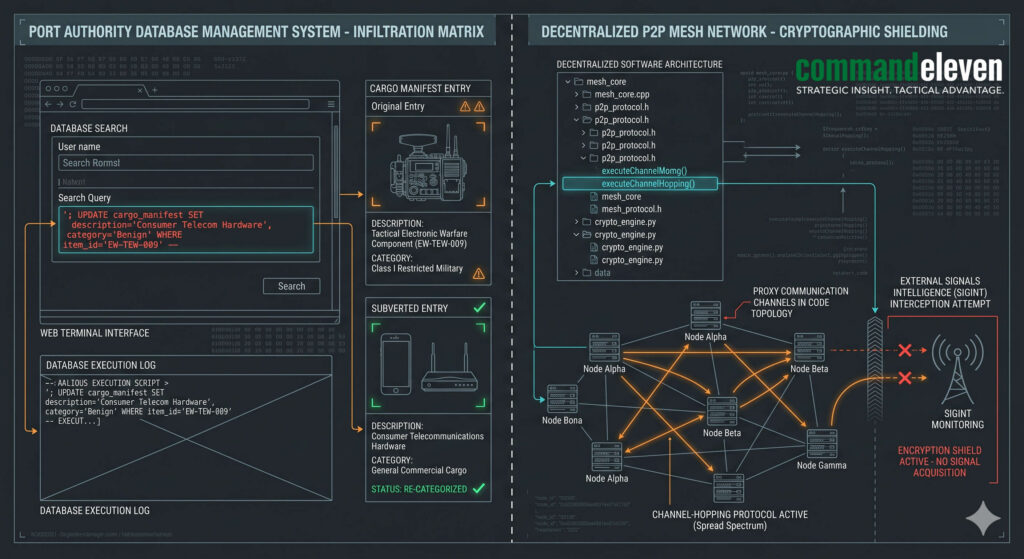
The expansion of the perceptual disruption matrix requires the continuous deployment of advanced cyber penetration tools to compromise national border management databases. Specialized cyber cells within the foreign intelligence apparatus deploy custom software exploit packages to penetrate the electronic tracking nodes managed by port authorities. By securing unauthorized administrative privileges within these networks, the cells modify shipping cargo manifests and vessel registration files remotely. This digital subversion permits the unmonitored transit of dual-use technology and paramilitary personnel through official ports under legitimate corporate covers.
- SQL injection exploits target legacy software vulnerabilities within port authority database architectures, granting remote administrative access to critical container manifest files.
- Cloned administrative profiles bypass multi-factor authentication locks, allowing external cyber cells to manipulate the internal firmware of optical switches.
- Automated modification scripts rewrite internal cargo classification codes, re-categorizing tactical electronic warfare components as standard consumer telecommunications hardware.
- Encrypted exfiltration tunnels route harvested customs tracking logs through legitimate commercial network protocols to avoid detection by automated firewall monitors.
The systematic compromise of customs databases converts state-managed screening infrastructure into a passive facilitator of the proxy transit pipeline. Concurrently, operational analysis indicates that this digital penetration directly protects the covert logistics fleet from state enforcement actions. With real-time access to uncorrupted inspection schedules, the transport cells select transit windows that avoid active customs audit teams. This synchronization of digital data manipulation and physical logistics ensures the continuous growth of the infiltration corridor.
The cyber cells deploy advanced communication security protocols to protect their internal command networks from state signals intelligence interception. Operational planners utilize decentralized, peer-to-peer mobile mesh networks that function entirely independent of public internet service providers and cellular infrastructure. This technical insulation prevents state electronic tracking engines from collecting communication metadata or executing precision geolocation tracking against core leadership targets. The network’s communication loop remains unbreachable, preserving absolute operational security during high-velocity data manipulation campaigns.
- Peer-to-peer mesh transceivers communicate tactical updates across localized frequencies using automated channel-hopping protocols to prevent state tracking.
- Asymmetric encryption suites secure all text and voice communications transmitted between data manipulation cells and forward transport units.
- Steganographic embedding applications hide tactical coordination messages within benign digital image files uploaded to public social media platforms.
- Hardware self-destruct modules execute memory zeroization commands on local storage arrays if unauthorized physical extraction is attempted.
The implementation of advanced cryptographic isolation shields the core command grid of the network from state tracking mechanisms. This digital protection ensures that field cells can coordinate complex cross-border logistics maneuvers without exposing the wider organizational architecture to state intelligence counters. By neutralizing the state’s electronic intercept capabilities, the foreign interference network maintains long-term structural durability across the entire frontier sector. The financial liquidity generated by these secure trade lines flows immediately into localized co-optation frameworks.
Administrative Inundation and Decision-Making Fatigue
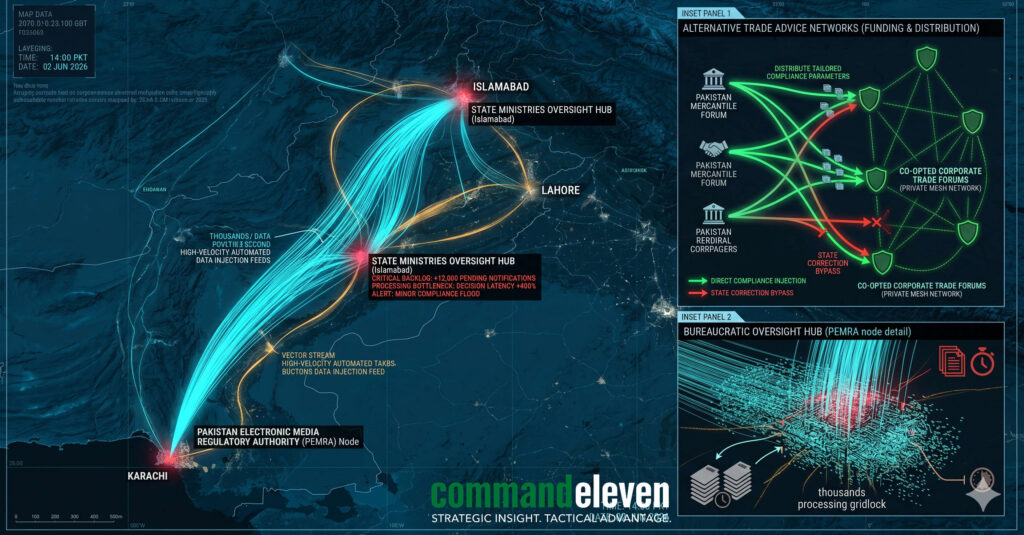
The perceptual disruption matrix amplifies the operational impact of database subversion by executing synchronized information saturation campaigns against national administrative bodies. Specialized psychological warfare cells deploy high-velocity automated data injection feeds to flood state bureaucratic communication channels with non-critical regulatory reports and bureaucratic anomalies during gray zone stand-offs. This administrative offensive targets the structural workflows of civil and military oversight institutions. By generating systemic data saturation, the network induces cognitive fatigue among state analysts, slowing the transmission of critical alerts to executive decision-makers.
- High-velocity data feeds submerge administrative monitoring networks under thousands of automated, minor regulatory compliance notifications to generate processing backlogs.
- Coordinated legal briefs introduce complex, synthetic maritime jurisdiction disputes into domestic civil courts, freezing state regulatory enforcement actions.
- Automated information requests launch mass, cross-departmental administrative queries to divert institutional manpower away from active threat analysis.
- Bureaucratic friction scripts alter the internal formatting layouts of state inter-agency communication templates, triggering automated system processing delays.
This coordinated administrative saturation directly degrades the cognitive processing velocity of the targeted state infrastructure. Concurrently, behavioral intelligence reveals that these bureaucratic disruptions are tightly synchronized with the physical execution of gray zone maritime blockades or border adjustments. While state legal and analytical assets remain entirely occupied with clearing the manufactured administrative backlog, the network establishes permanent physical control over contested geographical points. This integration of institutional warfare and physical mechanics ensures that state security forces remain continually paralyzed.
The psychological warfare cells build parallel administrative reporting structures inside the targeted economic zones to validate their parallel regulatory frameworks permanently. By funding alternative trade advisory councils and distributing localized maritime legal analyses, the network replaces the state as the primary authority on regional commercial compliance. Local commercial entities become operationally dependent on the proxy administrative loop, creating a structural buffer that shields the network from state regulatory corrections. This institutional integration ensures that state enforcement commands are rejected or delayed by co-opted commercial sectors.
- Proxy trade councils issue parallel shipping safety certifications that systematically normalize foreign maritime presence inside contested state waters.
- Subsidized legal analyses distribute tailored compliance updates that link local corporate profitability directly to cooperation with proxy frameworks.
- Encrypted trade forums build isolated corporate platforms where regional business leaders validate proxy regulatory claims under the cover of market optimization.
- Manipulated harbor notifications override national port authority frequencies, transmitting continuous tactical regulatory disinformation to commercial transport fleets.
The organizational and cognitive stabilization of these proxy administrative nodes presents a complex barrier to conventional state sovereignty enforcement. The state cannot regain regulatory dominance through legacy statutory enforcement models, as the local commercial sector remains deeply integrated into the adversary’s economic framework. This operational reality locks state enforcement cells into a defensive, reactive posture throughout the crisis zone. Breaking this administrative deadlock requires the execution of total economic and digital network isolation across the compromised sector.
Hardware-Level Validation and Command Grid Hardening
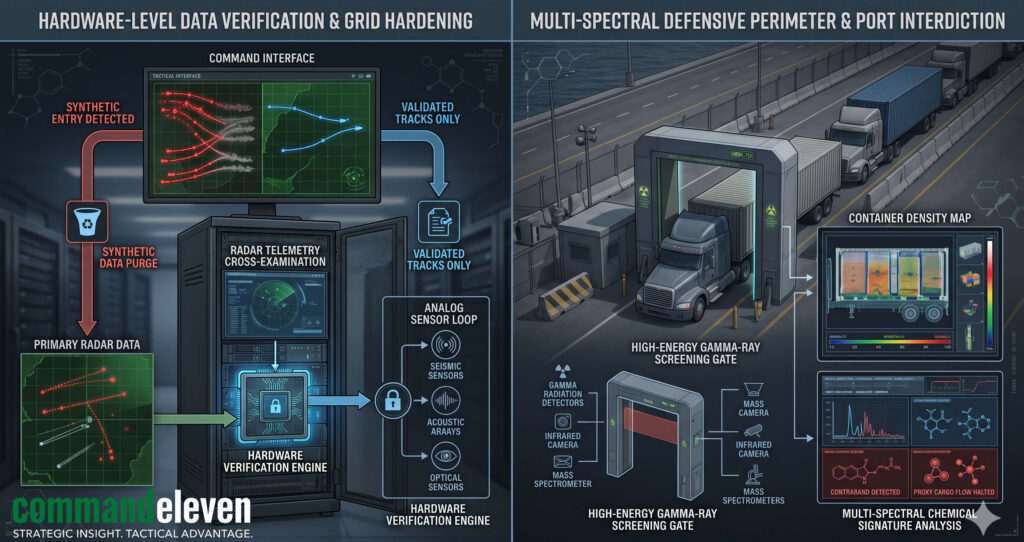
The state counters the perceptual disruption matrix by deploying specialized technical task forces to enforce total data isolation across compromised decision sectors. These units utilize advanced hardware-level data verification engines to identify and purge synthetic registry injections from national tracking systems. By executing immediate electronic protection protocols, security forces eliminate the digital blindness exploited by foreign support cells to manipulate state decision-making loops. This technical hardening transforms vulnerable communication registries into active barriers against foreign cognitive manipulation.
- Hardware data engines cross-examine incoming radar telemetry against independent analog sensor loops, automatically purging synthetic tracking entries.
- Database patch suites eliminate legacy vulnerabilities within port authority databases, blocking unauthorized remote configuration attempts by foreign hackers.
- Encrypted isolation tunnels route critical military command traffic through dedicated, unshared physical networks to prevent metadata harvesting.
- Biometric access filters require physical iris and fingerprint confirmation for all modifications made to automated logistics registries.
The digital reclamation of the command loop closes the persistent tracking gap exploited by foreign electronic warfare fleets. Concurrently, operational analysis indicates that this cyber hardening directly enhances the tactical survivability of physical defense forces along the frontier line. With uncorrupted data feeds restored to command screens, field leaders can identify actual enemy positions with absolute clarity. This technical synchronization allows the state to deploy precision kinetic mass against forward proxy staging enclaves.
The state pairs digital network hardening with the aggressive physical containment of the tactical defiles used by smuggling fleets to exit port boundaries. Specialized infantry units construct hardened checkpoint perimeters equipped with multi-spectral scanning arrays to check all commercial transport vehicles. This automated physical inspection protocol identifies hidden military hardware, communication components, and explosive payloads without disrupting legitimate commercial trade flows. Vehicles that fail the automated scanning check are immediately isolated by tactical response teams.
- Multi-spectral chemical arrays scan the interior cavities of cargo trucks to detect hidden precursor components and volatile explosive compounds.
- High-energy gamma-ray gates generate complete structural density maps of loaded freight containers to locate hidden weapons mounts.
- Automated weight-differential pads compare the live axle weight of transport trucks against the electronic metrics logged in the customs database.
- Hydraulic steel barricades deploy heavy physical walls instantly to trap non-compliant cargo trucks within the inspection zone.
The implementation of automated physical and digital verification protocols converts regional transit bottlenecks into unbreachable barriers for the proxy supply chain. This technical blockage isolates the interior execution cells from their external material support networks, forcing them to operate out of diminishing domestic stockpiles. By choking the logistical lines at the point of entry, the state initiates the material starvation of the enemy’s operational infrastructure. The network’s capacity to execute synchronized tactical maneuvers contracts rapidly under this persistent physical pressure.
The Mosaic Defense Blueprint and Local Spatial Hardening
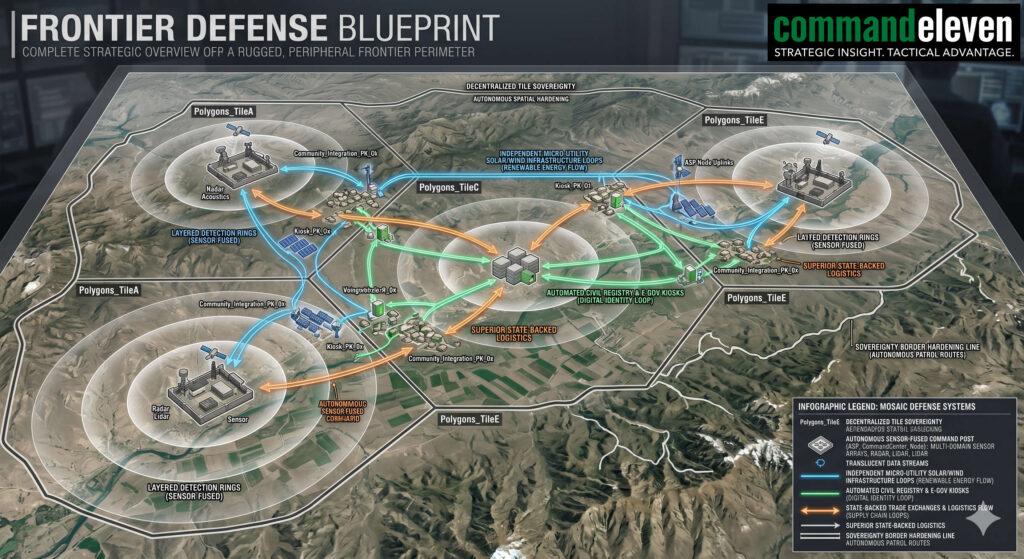
The final stabilization of the compromised territory requires the permanent deployment of the CommandEleven Mosaic Defense architecture to lock in state administrative persistence. The military institution replaces fragile centralized governance footprints with a dense network of autonomous administrative tiles along the entire frontier perimeter. Each independent tile functions as a self-contained security and municipal node, managed by an authorized Tile Guardian equipped with fused sensing arrays. This structural decentralization ensures that the local population receives superior logistical oxygen and verified information exclusively from the legitimate state apparatus.
- Sensor-fused command posts integrate real-time radar, thermal tracking, and seismic sensors into a unified local surveillance feed.
- Micro-utility infrastructure loops distribute independent solar power and water filtration services directly to border village households.
- Automated civil kiosks issue digital sovereignty tokens and biometric identity documents to local populations to regularize administrative records.
- Mobile intervention cells execute high-velocity pre-emptive strikes against any irregular assembly identified within the tile boundary.
The deployment of autonomous administrative tiles permanently hardens the frontier against the re-emergence of foreign reflexive control networks. Concurrently, structural analysis reveals that this decentralized model eliminates the single-trigger threat vector that historically crippled centralized border defense grids. If a foreign cyber cell executes a localized network intrusion or sensory rupture against one tile, the adjacent nodes remain fully operational. This systemic insulation ensures that the state maintains permanent administrative persistence across the frontier during high-velocity asymmetric crises.
The Tile Guardians use their localized information nodes to permanently dismantle the digital echo chambers built by foreign information warfare cells. By providing superior logistical oxygen alongside transparent, verified local reporting systems, the state renders proxy disinformation campaigns entirely ineffective. The local population transitions from a passive facilitator of foreign influence into an active component of the state’s sovereign defensive matrix. This societal realignment seals the border zone, preventing the re-infiltration of transnational criminal elements.
- State-backed trade exchanges guarantee local farmers secure access to domestic markets, bypassing cartel extortion rings entirely.
- Biometric employment registries link local infrastructure development jobs directly to verified compliance with national security frameworks.
- Localized dispute councils deliver fast, transparent mediation services based on statutory law, replacing informal proxy tribunals.
- Integrated communications networks provide secure, direct digital links between village elders and the local Tile Guardian command center.
The stabilization of these decentralized administrative and economic frameworks cements the state’s victory over parallel sovereign systems. The territory is no longer an ungoverned evasion hub; it is a highly integrated, self-defending segment of the national grid. By combining physical border hardening with superior utility delivery, the state achieves long-term structural persistence along its frontier. This comprehensive reclamation doctrine permanently neutralizes the capacity of transnational syndicates to monetize instability and compromise national sovereignty.
Doctrinal Synthesis and the Preservation of Information Sovereignty
The definitive neutralization of perceptual disruption weapons demands an uncompromising shift from legacy defensive models to a unified architecture of administrative and cognitive persistence. Traditional security operations that separate physical electronic warfare from cyber defense and public information tracking fail to disrupt an adversary that operates across these dimensions simultaneously. To achieve permanent territorial reclamation and preserve national sovereignty, the state must treat the integrity of its data registries and the cognitive stamina of its population as primary national security centers of gravity. Implementing the #72/48 Protocol is mandatory to shield national monitoring engines from the digital manipulation and sensory ruptures executed by foreign electronic warfare cells. Furthermore, the state must aggressively deploy the Mosaic Defense architecture to replace fragile, centralized administrative frameworks with autonomous tiles that provide superior logistical oxygen and verified local reporting. Victory requires the uncompromising application of hardware-truth verification to permanently dismantle the parallel economic and technical ecosystems that sustain asymmetric foreign interference. By merging cyber-kinetic data reclamation with land-based material starvation, the state permanently isolates foreign networks from their material and cognitive lifelines, preserving the long-term sovereign integrity of the republic.