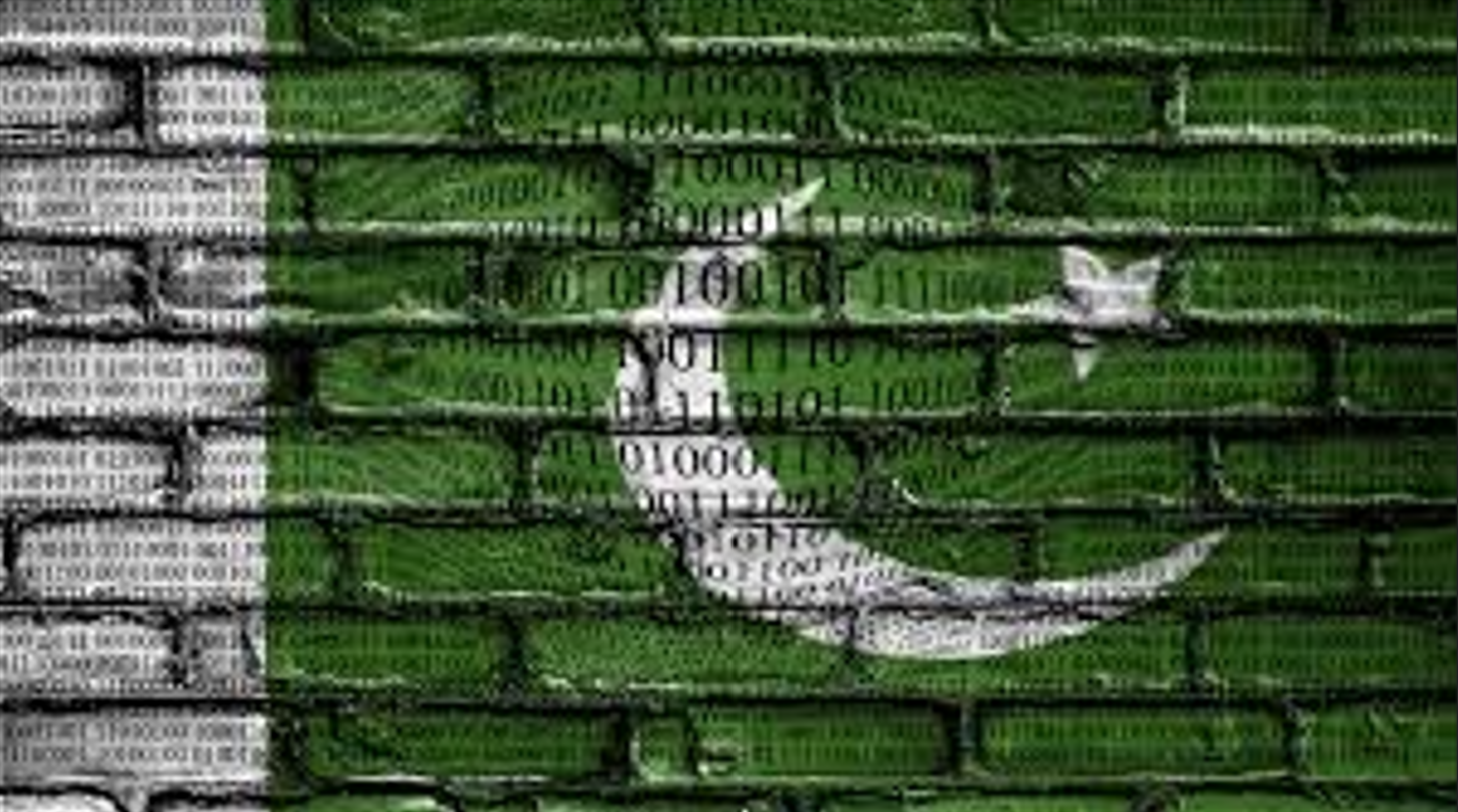
In the 21st century, colonialism no longer arrives with gunboats and foreign flags. It seeps into societies silently, through fiber-optic cables, cloud servers, social media platforms, unseen architecture of emerging technologies and algorithm age. This new form of imperialism – digital colonialism – is rapidly reshaping global power dynamics, and Pakistan finds itself on the vulnerable end of this transformation.
Our growing reliance on foreign technologies, platforms, and infrastructure has created a digital ecosystem where sovereignty is diluted, innovation is stunted, and national interests are compromised. Pakistan’s digital landscape is overwhelmingly dominated by foreign platforms like Google, Facebook, TikTok, WhatsApp, and YouTube.
These platforms dictate what content gets visibility, shape public discourse, determine what businesses can advertise, and control how citizens interact and organize online. They operate without meaningful accountability to Pakistani laws or institutions, essentially owning our digital public square.
While these platforms offer convenience and global connectivity, they also export a social and business model rooted in data extraction and behavioral manipulation. Pakistani users unknowingly surrender personal, behavioral, and biometric data, which is harvested, analyzed, and monetized by foreign corporations.
The data generated within Pakistan’s borders is stored in distant servers, beyond the reach of our legal system and national oversight, raising serious concerns about privacy, ownership, and strategic vulnerability.
This dependence on foreign-controlled digital infrastructure extends far beyond social media. Government institutions, financial systems, and private enterprises rely on cloud services provided by companies like Amazon Web Services, Microsoft Azure, and Google Cloud. Without local alternatives or secure national cloud infrastructure, Pakistan’s critical digital assets remain exposed to external surveillance, manipulation, and coercion.
In a world where data is more valuable than oil, this dependency represents a serious national security risk. On the top of that the lack of indigenous technological development is strangling the potential of Pakistan’s digital economy. While international apps and platforms dominate sectors like e-commerce, fintech, and communications, local startups struggle to compete.
Profits are extracted by foreign companies and rarely reinvested in the local ecosystem. This leads to a phenomenon of digital economic leakage where our talent and markets are exploited without meaningful return. The economic imbalance echoes the extractive logic of classical colonialism, only now coded in algorithms and platform monopolies.
Another major concern lies in the unchecked import of surveillance technologies, often from countries with opaque security practices. These tools are used to monitor citizens and control dissent, sometimes at the expense of human rights and democratic norms.
The use of foreign-made surveillance infrastructure without indigenous oversight creates vulnerabilities that can be exploited by state and non-state actors alike. Without a robust cybersecurity strategy rooted in local capabilities, Pakistan risks becoming a pawn in global cyber geopolitics.
Despite these growing threats, Pakistan’s policy response remains fragmented and sluggish. A comprehensive data protection law has yet to be passed, and regulatory bodies lack the capacity and mandate to oversee global tech giants.
We need urgent and decisive action. First and foremost, the government must enact and enforce a strong Personal Data Protection Bill that mandates data localization and establishes independent oversight of how personal information is collected and used. Data generated in Pakistan should be stored and processed within national borders under the jurisdiction of Pakistani law. Unauthorized data transfers must be penalized.
Simultaneously, Pakistan must invest in building secure and scalable national digital infrastructure. This includes government-owned data centers, indigenous cloud services, and robust cybersecurity systems. Incentives should be provided to local entrepreneurs developing alternatives to dominant foreign platforms.
A specialized Digital Sovereignty Task Force must be established to conduct risk assessments and design policies that reduce technological dependency over the next decade. Regulatory reforms are also critical. The Pakistan Telecommunication Authority must be empowered to regulate not only telecom services but also digital platforms, including content moderation practices, advertising standards, and algorithmic transparency.
Big Tech revenues generated in Pakistan should be taxed appropriately, with a portion of those funds channeled into a national innovation fund for local startups, open-source projects, and public digital goods.
Tech education and innovation must also become a national priority. Universities should be funded to offer advanced programs in artificial intelligence, machine learning, and cybersecurity, connected to industry incubators and R&D hubs.
At the same time, public awareness campaigns must be launched to promote digital literacy, data rights, and online safety among citizens. Digital literacy and cultural resilience will be essential to resisting algorithmic manipulation and the erosion of local identity.
Pakistan’s digital future must not be written in Silicon Valley, Shenzhen, or Seattle – it must be written in Islamabad, Lahore, Karachi, Quetta and Peshawar. Our policies, platforms, and protocols should be guided by our own values, interests, and security needs – not dictated by algorithms developed in California or servers maintained in Singapore.
The country’s current digital trajectory mirrors a colonial dynamic where local autonomy is sacrificed for the illusion of access and progress. Without course correction, Pakistan may remain a digital consumer, trapped in a cycle of dependency and exploitation, unable to harness the full promise of the Fifth Industrial Revolution (Industry 5.0).
Concisely, the stakes are existential. Just as nation once fought for political freedom, the 21st century demands a struggle for digital independence. Pakistan must act now through bold legislation, strategic investment, and a clear vision to reclaim its technological sovereignty. The future of our economy, security, and democracy depends on it. In the age of digital empires, data is power and sovereignty begins with owning it.