
Intelligence Command Center // Terror group profile //

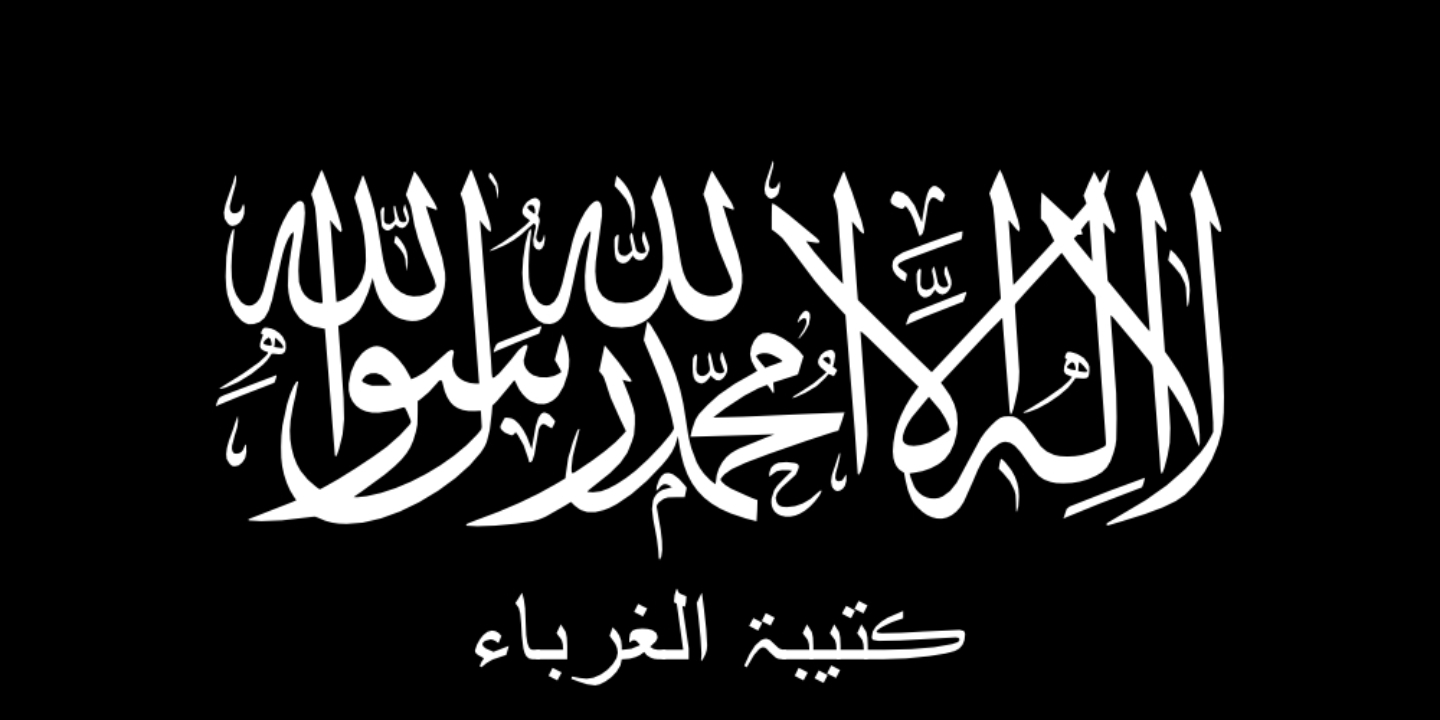
Katibat al-Ghuraba al-Turkistan (Mujahidin Ghuroba Division)

Katibat al-Ghuraba al-Turkestan

area of operation

Specific AOR

Volatility Index

VI-1 – Static

Ideological Alignment

al-Qaeda Central

force strength

Leadership

Headquarters

SIGNATURES //

TECHNICAL PROFILE
Tier 1 - State Actor / Peer Rival
OPERATIONAL SIGNATURE
Conventionalization (State-Model)
SPATIAL PROFILE
State-Level / Fixed Administration

Operational Brief //

A highly specialized, small-scale ethnic Uyghur vanguard that has successfully secured institutional survival through formal state capture.

Established in July 2017 as an independent but staunchly pro-al-Qaeda, anti-Chinese fighting cell in northwestern Syria, KGT operated for years under the protective umbrella of Hay’at Tahrir al-Sham (HTS).

Following the collapse of the Ba’athist regime, KGT underwent a complete structural transition. In compliance with President Ahmed al-Sharaa’s January 2025 decree dissolving independent militias, the group formally disbanded its autonomous front and was systematically absorbed into the 84th Special Forces Division of the Syrian Armed Forces, transforming its radicalized cadres into state-salaried regular

Disruption Vector Matrix //

vector //

vulnerability //

disruption strategy //

logistics //

financial //

leadership //

Threat Matrix //

OPERATIONAL REACH: 2 – Low (Provincial/Disrupted)
KINETIC CAPABILITY: 3 – Medium (IED/Targeted Assassinations)
LOGISTICAL RESILIENCE: 3 – Medium (Localized Taxation/Smuggling Links)
INFORMATION INFLUENCE: 1 – Minimal (No Active IO/Basic Statements)

OVERALL THREAT INDEX
2.25

operational reach //

Highly Localized (State-Bounded). Historically confined to the Druze-majority areas of Jabal al-Sammaq and Qalb Lawze in northern Idlib, the group’s physical reach is now dictated entirely by formal military deployment. Operating out of the 84th Division’s headquarters at the Naval Academy in Latakia, its personnel are deployed across the mountainous corridors of northwestern Syria. While the group retains a long-term ideological hostility toward the Chinese Communist Party (CCP), it possesses zero autonomous external operations (ExOps) projection capability.

kinetic capability //

Conventional Convergence (Integrated). Wielding a small but highly cohesive force estimated at a few hundred veteran fighters, KGT historically operated as a specialized light infantry and shock-troop (inghimasi) unit, frequently training with the elite Malhama Tactical outfit. Following their integration into the state defense architecture between mid-2025 and mid-2026, these cadres achieved conventional convergence. They now operate under a unified national command structure with access to state-level heavy weaponry, formalized tactical training, and defensive armor.

logistical resilience //

State-Sustained (Sovereign Shielding). The group’s survival matrix has shifted from wartime reliance on HTS-distributed spoils, localized property seizures, and informal diaspora donations to full state dependency. As part of the integrated 84th Division, KGT personnel receive regular salaries and logistical supply lines directly from the transitional Syrian Ministry of Defense. This official integration provides the group’s Uyghur fighter core with a durable legal shield, insulating them from direct international counter-terrorism interdiction or Chinese extradition demands.

information influence //

Rudimentary / Suppressed. KGT historically relied on aggressive YouTube and Telegram propaganda campaigns to broadcast its combat operations against Ba’athist forces and recruit within the Turkic diaspora. Post-integration, its independent media apparatus has been effectively dissolved to comply with state broadcasting regulations. The group’s communications are now suppressed or absorbed into broader state military public relations, limiting their independent ideological footprint to closed, insular communication networks.

analytical note //

Katibat al-Ghuraba al-Turkistan represents the micro-level success of the Syrian transitional government’s “institutionalization or neutralization” strategy for foreign fighters. By taking a small, potentially volatile independent jihadist cell and embedding it directly into a state-managed Special Forces division alongside larger entities like the Turkistan Islamic Party (TIP), Damascus has successfully neutralized KGT’s wild-card operational risks. However, this absolute state dependency creates a permanent vulnerability: if President al-Sharaa’s administration accelerates its drive for international legitimacy and enters formal diplomatic trade agreements with Beijing, these integrated Uyghur units will face intense pressure, making them prime targets for internal security fracturing or clandestine recruitment by ISKP.

Kinetic and Multi-domain capabilities //

Primary adversary//

weaponry focus

DATA PENDING

Geopolitical and Logistics //

financial vectors

DATA PENDING

RESTRICTED: STRATEGIC DISRUPTION //

affiliated entities //