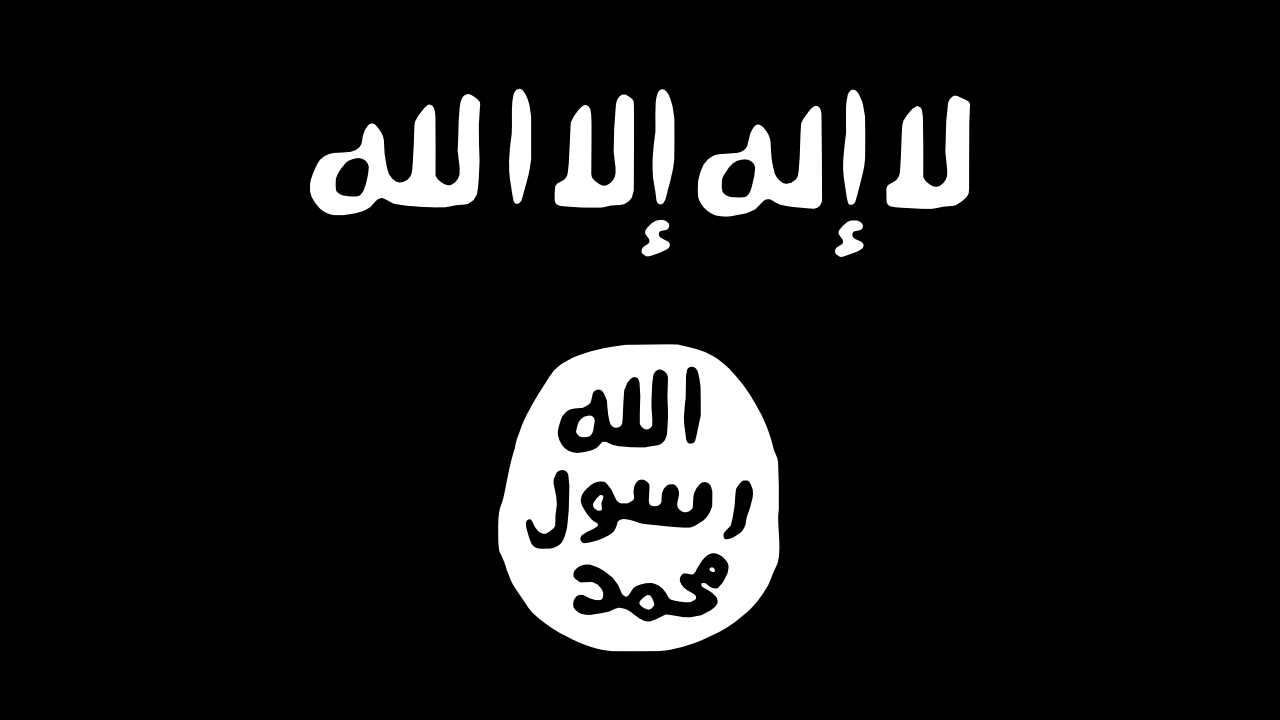
Islamic State – Sahel Province (ISSP),historically designated as the Islamic State in the Greater Sahara (ISGS),reveals a highly aggressive, expansionist actor that has transformed the tri-border region of Mali, Burkina Faso, and Niger (the Liptako-Gourma) into the global epicenter of contemporary jihadist violence.
Operating under the current leadership of its central council (Majlis al-Shura) led by governor Abu al-Bara’ al-Sahrawi, ISSP has exploited the systemic security vacuum created by the wholesale withdrawal of Western forces (including the closure of U.S. Air Base 201 in Niger) and the structural fragility of the local military juntas. Unlike its structural rival, al-Qaeda’s JNIM, which seeks a degree of social symbiosis, ISSP operates with an unyielding parasitic and hyper-violent territorial logic.
Leadership & Command Structure
- Command Element: Structurally managed via a central Majlis al-Shura (Leadership Council). Following the legacy attrition of founding emir Adnan Abu Walid al-Sahrawi, executive and judicial coordination is heavily driven by a governorate system currently overseen by a wali, with senior figures like Abu al-Bara’ al-Sahrawi anchoring core leadership nodes.
- Leadership Doctrine: Bureaucratic, highly structured vertical command matrix. Operational management is segmented into four distinct functional directorates: the Law and Sanctions Office, the Military and Operations Office, the Logistics Office, and the Foreign Fighters Office.
- Regional Management: Executed through an organized zonal command framework (Zones 1 through 5). Each zone is assigned an operational emir and a dedicated military commander to direct localized campaigns across distinct border sectors, maximizing tactical agility while maintaining strict administrative oversight. Strategic guidance and financial synchronization are reinforced by the global core’s Nigeria-based Al-Furqan Office.
Regional Center-of-Gravity (Current Focus)
- Primary Growth Theater: The Liptako-Gourma tri-border region, heavily exploiting the porous, non-demarcated frontiers connecting Mali, Niger, and Burkina Faso.
- Operational Hub: The Tillabéri region (southwest Niger) and the Ménaka/Gao sectors (eastern Mali). Tillabéri represents the deadliest center of gravity for targeted campaigns, with key headquarters and base complexes operating out of transit nodes like Anderamboukane, Indelimane, and Tin-Hama to project power across the Azawagh and Muthalath (Triangle) zones.
- Secondary/Support Theaters: Southern transit lines extending into the northern frontiers of coastal West African states, specifically exploiting the northern border zones of Benin to map future revenue streams and logistics corridors.
Intelligence Behavioral Matrix (TRAP-18/VERA-2R)
- Volatility Index: Extreme. ISSP exhibits an exceptionally brutal strike profile characterized by high levels of civilian targeting, village massacres, forced extraction of zakat, and aggressive campaigns to isolate communities through blockades.
- High-Risk Indicators: Execution of sophisticated, multi-wave “burn the camps” military tactics designed to completely overrun fortified military bases and destroy state infrastructure; aggressive co-optation of marginalized pastoralist demographics (such as segments of the Fulani) by exploiting local farming-herder conflicts; and a state of perpetual, high-intensity kinetic warfare with al-Qaeda’s regional affiliate, Jama’at Nusrat al-Islam wal-Muslimin (JNIM).