
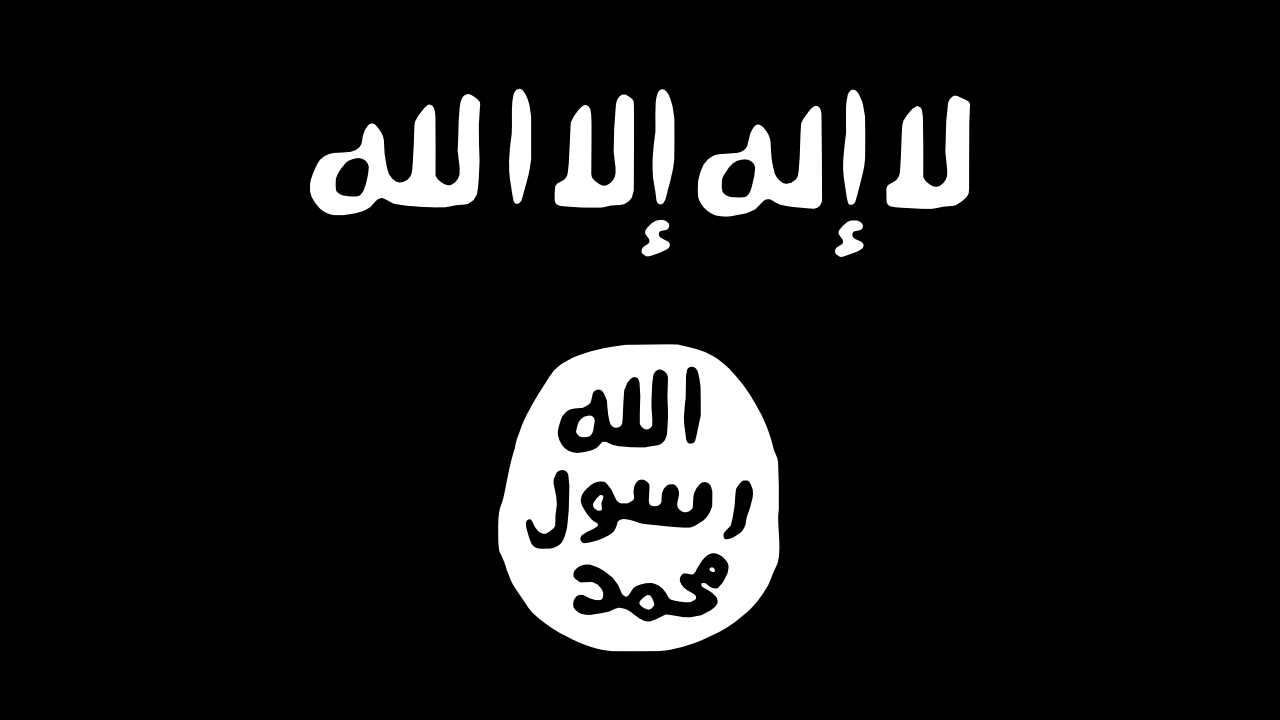
Following its decisive conventional defeat in Sirte in 2016 and subsequent aggressive interdiction campaigns by both the Tripoli-based Government of National Unity (GNU) and Field Marshal Khalifa Haftar’s Libyan National Army (LNA), the group abandoned all ambitions of overt territorial governance. The arrest of the group’s overall Libyan emir, Hashem Abdul-Jawad Abu Sedra, further accelerated its fragmentation. However, through 2025 and into mid-2026, IS-Libya has systematically transitioned into a highly dangerous, clandestine logistical hub and parallel financial engine. Capitalizing on Libya’s deep political division, the group has repositioned itself in the vast, ungoverned desert spaces of the southern Fezzan region, acting as a critical strategic conduit linking the Mediterranean coast to the highly active, expansionist franchises in the Sahel theater
Leadership & Command Structure
- Command Element: Led by a highly mobile, secretive council of veteran North African and sub-Saharan emirs who operate from deep-desert hideouts. Interfaces intermittently with the global IS core via specialized courier networks and encrypted satellite links.
- Leadership Doctrine: Operates under a survival-oriented, highly mobile guerrilla command model. Following the catastrophic loss of its conventional state-building project in Sirte, the leadership abandoned fixed command nodes, shifting to decentralized, fluid operational cells.
- Regional Management: Geographically dispersed across the vast, under-governed spaces of southern and southwestern Libya (Fezzan region), with mobile cells operating along the desert corridors bordering Chad, Niger, and Algeria.
Regional Center-of-Gravity (Historical Focus)
- Primary Growth Theater: Southern Libya, systematically exploiting the state’s prolonged political fragmentation, security vacuums, and lawless desert borders.
- Operational Hub: The rugged, volcanic terrain of the Haruj Hanun mountain range and the remote valleys surrounding the desert towns of Murzuq and Sabha. This inaccessible topography provides natural protection against aerial strikes and conventional ground offensives.
- Strategic Isolation: High. Completely severed from major coastal urban centers and economic nodes, remaining dependent on isolated desert sanctuaries and cross-border nomadic networks for survival.
Intelligence Behavioral Matrix (TRAP-18/VERA-2R)
- Volatility Index: Intermittent / Low-to-Medium Frequency. Maintains a highly cautious tactical footprint, executing low-risk ambush maneuvers and provisioning raids to preserve its remaining manpower.
- High-Risk Indicators: Deployment of mobile IED arrays and pressure-plate landmines along desert transit routes; targeted hit-and-run strikes against isolated Libyan National Army (LNA) checkpoints; and the systematic extortion and trafficking of irregular Sub-Saharan migrant networks.