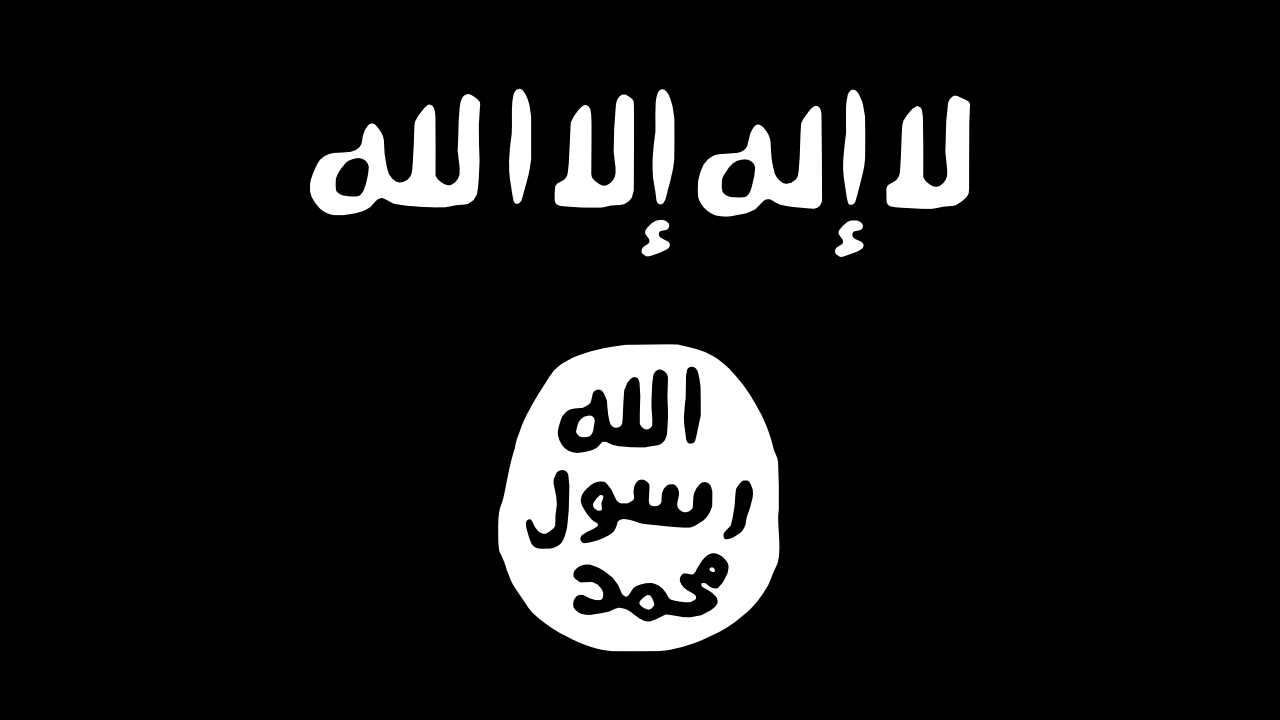
The Islamic State – Hind Province (ISHP),formally designated by Daesh central as Wilayat al-Hind,requires analyzing an entity that has been structurally hollowed out on the ground, transitioning from a localized insurgent banner in Jammu and Kashmir into a highly dependent, digital-centric recruitment target managed by external provincial networks.
Announced formally in May 2019 following a small-scale clash in the Amshipora area of Kashmir’s Shopian district, ISHP was carved out to give the appearance of a distinct national branch. It absorbed the remnants of the Islamic State Jammu & Kashmir (ISJK).
However, intense and relentless counter-terrorism sweeps by India’s National Investigation Agency (NIA) and local security grids have systematically neutralized successive operational leadership hubs. Through 2025 and into mid-2026, ISHP has ceased to exist as a functional, independent kinetic actor. The brand has been largely co-opted and functionally subordinated by the highly aggressive, transcontinental propaganda machinery of the Islamic State – Khorasan Province (ISKP), which uses Indian communal fault lines to drive its own pan-regional recruitment.
Leadership & Command Structure
- Command Element: Operating under a highly decentralized, clandestine leadership council following systemic state-level security crackdowns. The group lacks a single, publicly visible commander, choosing instead to run operations through anonymous, highly compartmentalized regional emirs.
- Leadership Doctrine: Horizontal cell management combined with strict operational security protocols. Due to intense surveillance by state intelligence networks, the group has largely abandoned traditional vertical command hierarchies, relying on autonomous, self-activating modules.
- Regional Management: Managed through fragmented, non-contiguous sectors spanning Kashmir and localized urban centers across southern and western India. Strategic guidance, media synchronization, and digital recruitment matrices are heavily coordinated via the broader Islamic State core’s central media apparatus.
Regional Center-of-Gravity (Current Focus)
- Primary Growth Theater: The Kashmir Valley and urban technological hubs. The group aims to exploit localized political vulnerabilities and digital ecosystems to build footholds within radicalized urban demographics.
- Operational Hub: Insular digital spaces and secure virtual communication lines. Because physical infrastructure is rapidly intercepted by state security, the primary “hub” remains non-physical, focused on decentralized online operational planning and cryptographic asset tracking.
- Secondary/Support Theaters: Logistical transit lines and sleeper cells stretching across the maritime boundaries of southern India and the porous border zones adjacent to Bangladesh, utilized for cross-border operative movement and escaping intelligence pressure.
Intelligence Behavioral Matrix (TRAP-18/VERA-2R)
- Volatility Index: Moderate to High. While actual physical kinetic output is heavily restricted by aggressive counter-terrorism actions, the group’s operational intent remains highly volatile, aiming for high-impact, symbolic asymmetric operations.
- High-Risk Indicators: Advanced digital tradecraft, including the mastery of multilingual propaganda distribution (via platforms like Voice of Hind); systematic efforts to co-opt local, legacy militant networks; and a calculated operational focus on activating lone actors to execute low-tech, high-discrimination urban strikes.