
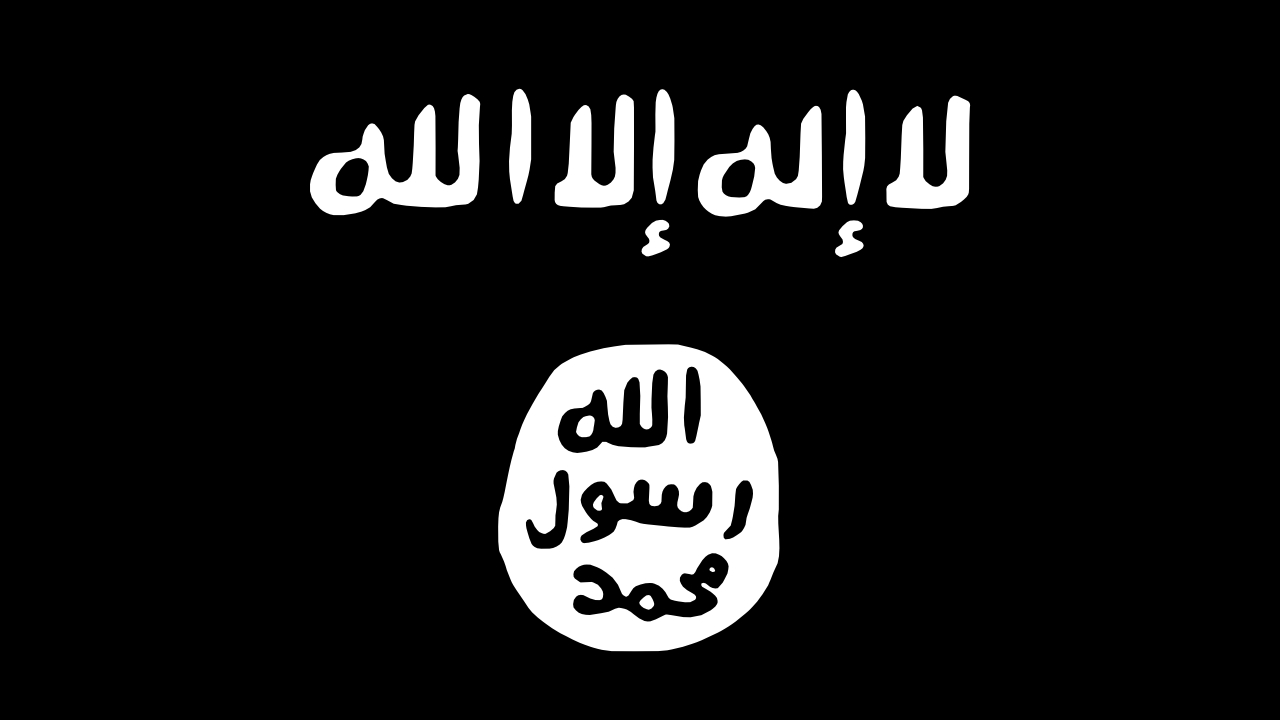
Operating under the overall command of Algerian emir Abu Ubaydah Yusuf al-Annabi (who assumed leadership following the 2020 neutralization of Abdelmalek Droukdel), AQIM has undergone a major structural evolution. Under relentless counter-terrorism containment pressure by the Algerian People’s National Army (ANP), AQIM’s historical northern coastal theater has been largely hollowed out. Rather than fading into obsolescence, the group executed a brilliant strategic pivot: transforming its Algerian core into an insular, high-level guidance, financial, and ideological clearinghouse, while projecting its kinetic and territorial ambitions southward into the Sahel via its highly lethal, semi-autonomous multi-faction coalition,Jama’at Nusrat al-Islam wal-Muslimin (JNIM).
1. Leadership & Command Structure
- Command Element: Directed by Abu Ubaidah Youssef al-Annabi (Mubarak Yazid), who assumed supreme command in November 2020 following the elimination of founding emir Abdelmalek Droukdel by French special forces. Operational execution within the primary sub-theaters is delegated to veteran regional commanders, notably Iyad Ag Ghaly, who oversees the dominant Sahelian unified front.
- Leadership Doctrine: Employs a decentralized, consultative command model (Majlis al-Shura) engineered to withstand top-tier decapitation. Strategically balances theological-ideological guidance from the residual Algerian core with highly autonomous, localized operational commands across sub-Saharan nodes.
- Regional Management: Transnationally structured across North Africa and the Sahel. The organization executed a profound strategic pivot by creating and absorbing its combat lines into Jama’at Nusrat al-Islam wal-Muslimin (JNIM) in 2017. This framework links native Algerian, Tuareg, and Fulani operational networks into a cohesive regional grid.
2. Regional Center-of-Gravity (Historical Focus)
- Primary Growth Theater: The transition zone from the historical mountainous redoubts of northern Algeria (Kabylie region) to the vast, ungoverned expanses of the Sahelian macro-region, particularly northern and central Mali.
- Operational Hub: The rugged Adrar des Ifoghas mountain massif and the complex riverine ecosystems of the Inner Niger Delta. These geographic sectors provide natural cover against aerial surveillance, serve as primary staging zones for cross-border operations, and act as logistical sanctuaries.
- Strategic Isolation: Successfully avoided structural isolation by embedding its operational apparatus into localized ethnic and tribal conflicts. By presenting itself as a communal defender in the Sahel, the group achieved deep geographical persistence, outlasting multi-year international military interventions.
3. Intelligence Behavioral Matrix (TRAP-18/VERA-2R)
- Volatility Index: Sustained High. Displays a calculated, highly consistent tactical profile optimized for prolonged wars of attrition and territorial expansion.
- High-Risk Indicators: Proven capacity to orchestrate high-yield, synchronized ambushes against conventional state armies and international peacekeeping contingents; systematic deployment of intricate, multi-layered IED matrices along critical ground communication lines; complex hostage-taking operations targeting Western nationals for strategic ransom; and localized Sharia governance enforcement to replace state judiciaries.