
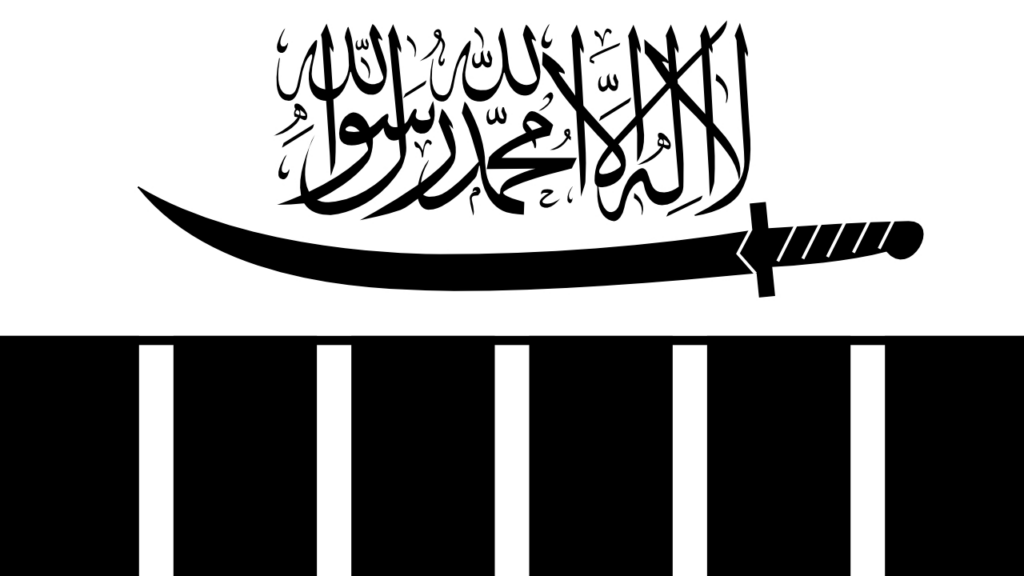
Profile Overview //
Operational Brief //
Founded in the late 1980s by Hafiz Muhammad Saeed as the military wing of the Markaz-ud-Dawa-wal-Irshad, LeT has historically distinguished itself from other regional actors through its highly disciplined cadre structure, massive institutional charity networks, and historical alignment with state-centric security dynamics.
Following the intense international blowback from the 2008 Mumbai attacks and subsequent Financial Action Task Force (FATF) gray-listing cycles, LeT systematically shifted its operational doctrine. The group moved entirely away from direct, high-visibility cross-border profiling, choosing instead to re-engineer its force projection through asymmetric proxies and deep cyber-kinetic integration. This structural insulation was further accelerated during the May 2025 Indo-Pakistani bilateral escalation, during which LeT preserved its primary core by operating under highly deniable, decentralized operational umbrellas.
Leadership & Command Structure
- Command Element: Founded and historically overseen by Hafiz Muhammad Saeed (currently serving extended judicial sentences in Pakistan). Command operations are managed by a highly structured, permanent military-bureaucratic shura, with specialized external operations branches directed by veteran commanders like Zaki-ur-Rehman Lakhvi and Sajid Mir.
- Leadership Doctrine: Employs an institutionalized, highly sophisticated corporate-military command model. Maintains absolute internal discipline, avoiding internal fracturing or independent wildcat operations, while strictly separating its public social-welfare fronts from its covert combat elements.
- Regional Management: Expansive subcontinental grid managed from centralized headquarters in Muridke and Muzaffarabad, with deep-cover operational columns projecting tactical lines directly into Jammu and Kashmir.
Regional Center-of-Gravity (Historical Focus)
- Primary Growth Theater: The Kashmir Valley / Jammu and Kashmir, India, utilizing extensive training facilities and secure organizational bases inside Pakistan as its primary launchpad.
- Operational Hub: The rugged, high-altitude forested mountains of the Pir Panjal range and the line-of-control (LoC) transit corridors. These sectors serve as the primary infiltration paths and tactical staging grounds for launching high-end urban operations.
- Strategic Isolation: Exceptionally Low. Avoids isolation by operating an extensive network of highly active, deniable proxy shells,most notably The Resistance Front (TRF),allowing it to continuously rebrand its combat actions and evade international counter-terrorism sanctions.
Intelligence Behavioral Matrix (TRAP-18/VERA-2R)
- Volatility Index: Calculated / Extreme Lethality. Operates with immense tactical restraint in non-target zones while maintaining an elite, hyper-focused combat readiness to launch high-impact, devastating urban operations.
- High-Risk Indicators: World-class capability to execute complex, multi-day Fedayeen (suicide-assault) campaigns against high-value military and civilian infrastructure; deployment of specialized, low-profile assassination cells targeting non-local workers and tourists; and management of multi-million-dollar domestic and international front networks.
Threat Matrix //
Operational Reach
Transnational (Deniable Front Integration). LeT’s physical operations hub remains anchored in Pakistan’s Punjab province (Muridke), with an extensive networks of training facilities in Azad Jammu and Kashmir (AJK). However, its forward force projection into Indian-administered Jammu and Kashmir (J&K) has been completely re-routed through a highly deniable, secularized front brand—The Resistance Front (TRF). Formally designated as a Foreign Terrorist Organization (FTO) by the US State Department, TRF allows LeT to project active kinetic force deep inside J&K while shielding its primary leadership from immediate international or legal interdiction.
Kinetic Capability
Advanced Asymmetric / Urban Vanguard. Wielding an estimated force of several thousand highly disciplined combatants, LeT maintains elite tactical lethality. The group’s military wing avoids random, low-tech insurgent activity, specializing instead in precise, high-impact fidayeen (suicide commando) raids and complex urban ambushes—such as the April 2025 Pahalgam spectacular, which targeted hard security transport grids. Beyond J&K, LeT retains a latent but highly capable urban sabotage matrix across mainland India, backstopped by specialized drone-delivery pipelines utilized to transport armor-piercing munitions and sticky-bomb arrays across the border.
Logistical Resilience
Self-Sustaining / Multi-Layered Corporate Matrix. LeT commands an incredibly robust, corporate-style financial foundation that has survived decades of international asset-freezing mandates. While its historical flagship charities—Jamaat-ud-Dawa (JuD) and the Falah-i-Insaniyat Foundation (FiF)—operate under strict state-monitored administrative controls, the group has successfully decentralized its assets into thousands of local commercial ventures, medical clinics, and independent real estate syndicates. This parallel economy is increasingly managed via decentralized digital currencies and international trade fronts, rendering its core funding immune to localized counter-terrorism crackdowns.
Information Influence
Institutionalized (Digital Radicalization Ecosystem). Adhering to the Ahl-e-Hadith Salafi theological framework, LeT maintains a massive, institutionalized propaganda apparatus. Unlike rival networks that rely on loud, anti-state narratives, LeT’s media strategy aligns its pan-Islamist horizon—anchored in the doctrine of Ghazwa-e-Hind—with highly potent regional narratives. By systematically shifting its recruitment machinery into secure, end-to-end encrypted digital applications and decentralized online student federations, the group effectively targets tech-savvy, urban demographics across South Asia and the diaspora.
Analytical Note
Lashkar-e-Taiba represents the most structurally stable and resilient non-state actor in the South Asian theater. By successfully separating its high-visibility philanthropic and social-service infrastructure from the deniable asymmetric actions of fronts like TRF, the group has avoided the organizational fragmentation that destroyed entities like the IMU. Through mid-2026, LeT’s strategic patience remains its greatest asset. As regional security architectures remain heavily focused on containing the violent, anti-state campaigns of the Tehrik-i-Taliban Pakistan (TTP) and ISKP along the western border, LeT will continue to quietly consolidate its subterranean logisitics, ensuring it remains a highly potent, disciplined instrument of asymmetric force projection across the subcontinent.
Disruption Vector Matrix //
Logistics Vulnerability
Dependence on specialized, high-altitude border infiltration corridors and co-opted local safehouse networks to move hardware into the Kashmir theater.
Logistics Strategy
Integrated Counter-Infiltration Grids: Deploy multi-layered electronic fencing, ground-penetrating radar, and automated drone surveillance along transit lines, backed by aggressive urban counter-intelligence.
Financial Vulnerability
High exposure to international financial monitoring due to the massive scale of its domestic charitable empires (JuD/FIF) and commercial front investments.
Financial Strategy
Industrial Financial Audit Regimes: Enforce absolute, unyielding transparency standards and international FATF compliance controls over all religious charities, medical foundations, and associated corporate fronts.
Leadership Vulnerability
Senior command figures rely on institutional deniability and legal protections within their primary safe havens to avoid international prosecution.
Leadership Strategy
Coordinated International Legal Sanctions: Leverage relentless global legal and financial pressure via the UN Security Council and U.S. Treasury to enforce international arrest warrants and permanently freeze command assets.