
US-Syria Negotiatons

As the United States begins its troop drawdown/withdrawal from Syria, they have also informed the Syrian regime, through a mid-level US official during diplomatic meetings in Brussels.
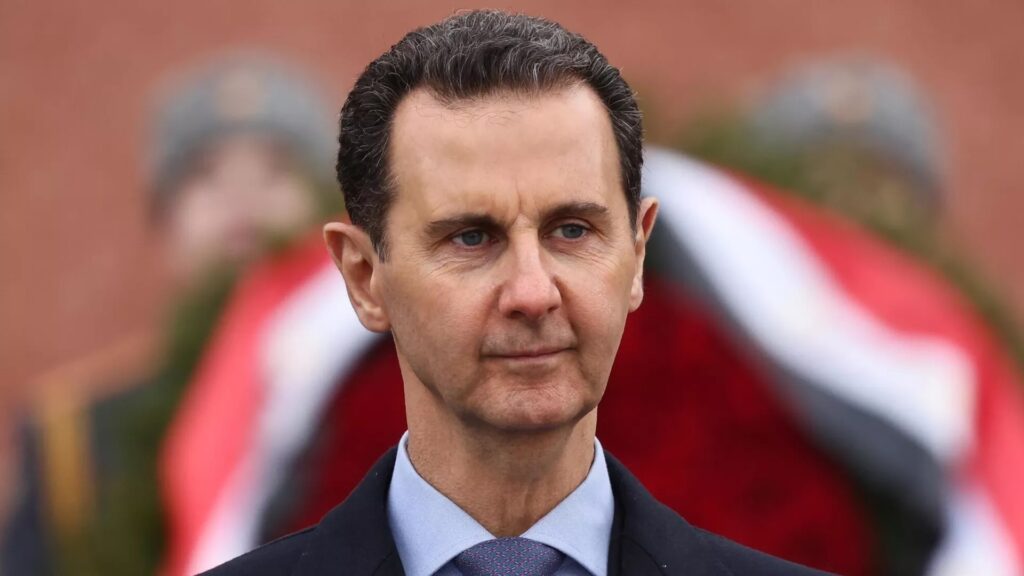
The conditions are designed to test the intentions of President Abu Mohammad al-Jolani, the self-appointed leader of Syria since the overthrow of the Bashar al-Assad government in December 2024. US officials are still very cautious about trusting his regime due to the injustices and attacks that have been carried out by government forces on minorities since he took power.
Assad’s Downfall and Its Implications for Pakistan
Israel has carried out over 300 airstrikes decimating Syrian military infrastructure and equipment, while the US has also carried out over 100 bombing missions on Islamic State targets in Syria. There seems to be a fear that the Islamic State or al-Qaeda may use Syria as a foothold, making things unclear enough for any nation to start a discussion on relationships with the new administration yet.
Ansar-ul-Sharia Pakistan – Information Release

A 2017 brief on new militant group Ansar-ul-Sharia Pakistan: its al-Qaeda and AQIS model, recruitment of expelled militants, and its targets in Pakistan.
Pakistan’s Serendipitous Chance In Syria

Andrew Korybko argues Syria’s rebuke of Modi’s 2017 Israel visit, possibly nudged by Iran, China and Russia, opens a door for Pakistan.
Has a Multipolar CENTO Sprung Up in The South Eurasian Rimland?

The past couple of years have been marked by dramatic geopolitical changes triggered by the onset of the New Cold War, and while events such as the spree of urban terrorism popularly known as “Euromaidan” and Russia’s anti-terrorist intervention in Syria are well known, there are other major shifts which have yet to generate considerable public attention but have been no less consequential.
Pakistan’s Eurasian Solution for Afghanistan

Moscow will host six-party talks about Afghanistan on 15 February, with Afghanistan, Pakistan, China, Iran, India, and naturally Russia expected to be represented. Moreover, Zamir Kabulov – thought of as being the leader of the “Islamophile” South Asian faction in the Ministry of Foreign Affairs – extended an invitation to the US as well, though stipulating that it should first be “ready to work constructively with regional powers” and “determine what they are planning to do in Afghanistan.”