
Proxy Warfare – Past, Present & Future
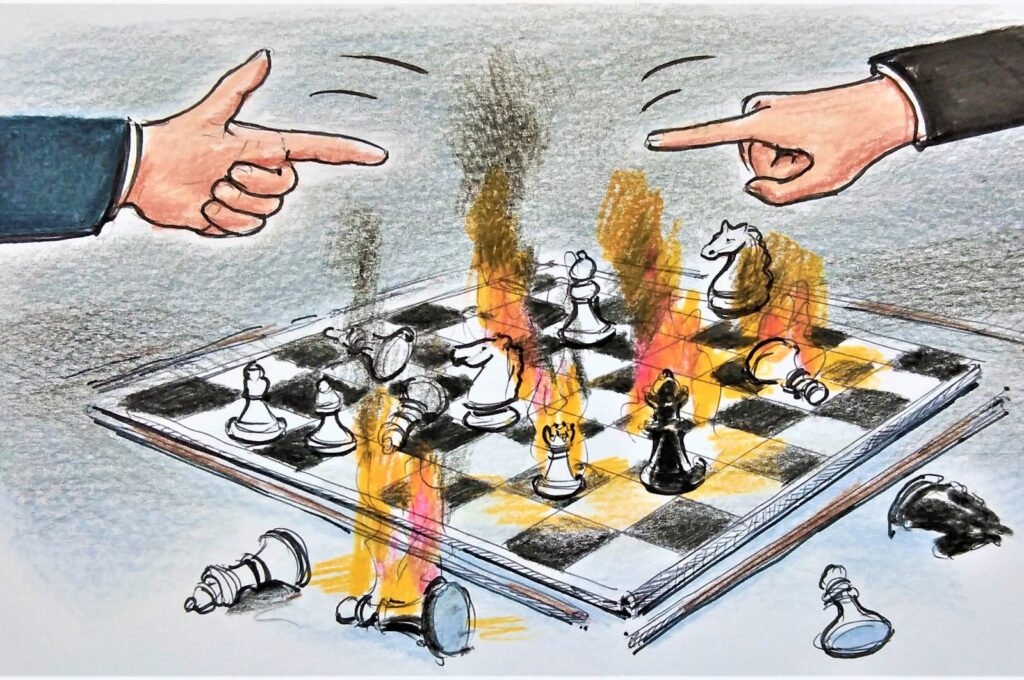
Syed Khalid Muhammad, CommandEleven Intelligence Executive Director, was a guest on Zain Khan’s Tactical Talk programme, with Scott Rickard, to discuss proxy warfare in today’s battlespace.
Stepping Up The Pressure
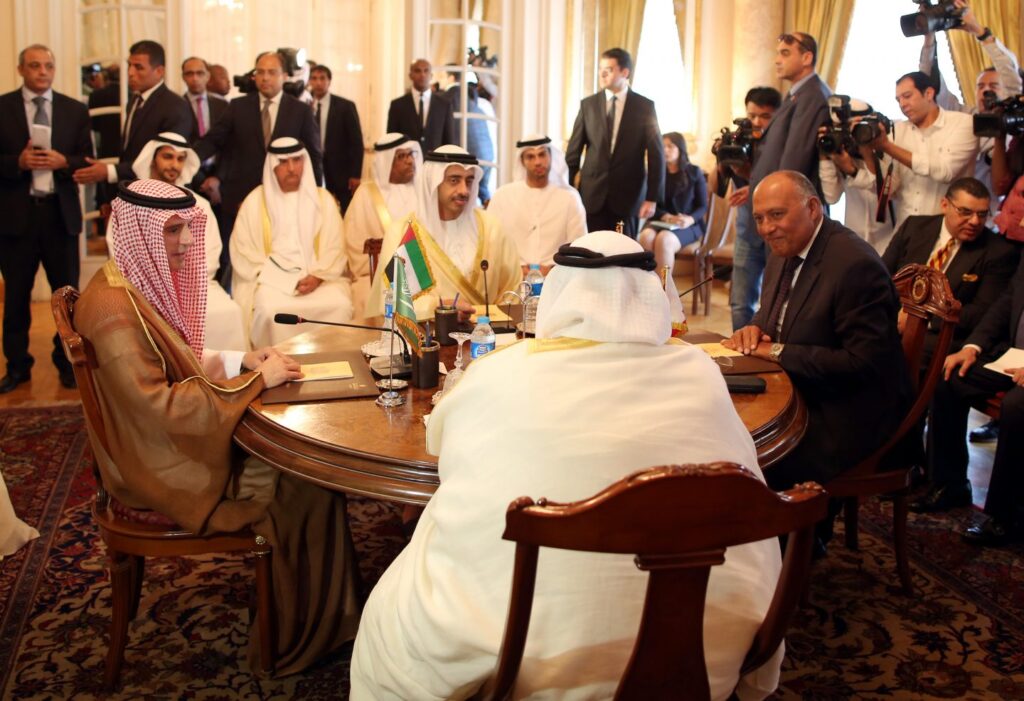
Saudi Arabia, in a first move to pressure mostly Muslim states to join its campaign against Qatar, has persuaded six sub-Saharan African nations with threats of reduced financial aid and restricted quotas for the Hajj, the annual pilgrimage to the holy city of Mecca, to follow its lead in taking punitive steps against Qatar.
The Gulf Crisis – A Coming Out of Small States
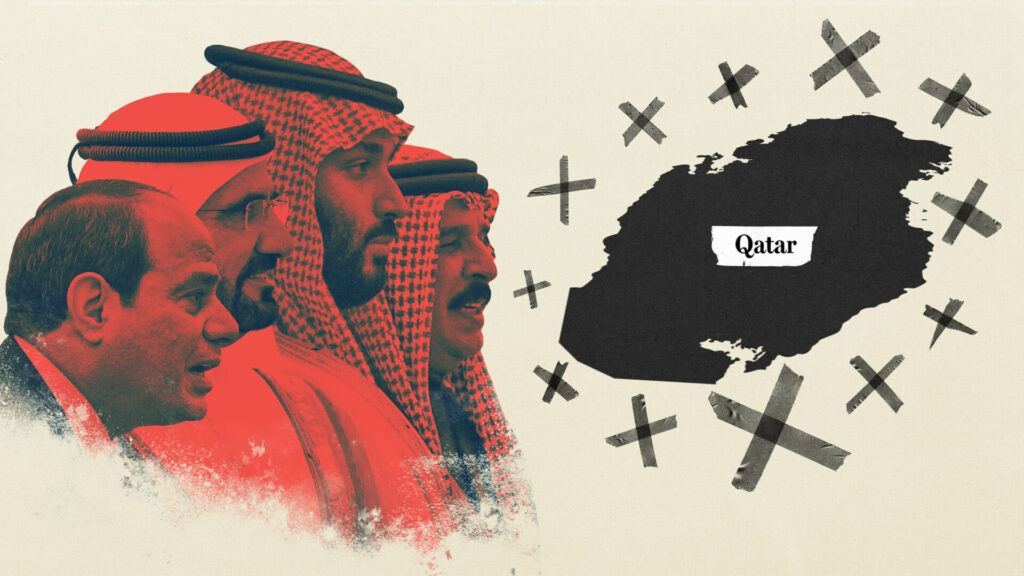
Buried in the Gulf crisis are two major developments likely to shape future international relations as well as power dynamics in the Middle East: the coming out of small states capable of punching far above their weight with Qatar and the United Arab Emirates, a driver of the crisis, battling it out; and a carefully managed rivalry between the UAE and Saudi Arabia that has weakened the six-nation Gulf Cooperation Council (GCC) and aggravated suffering in war-wracked Yemen.
The Rise of Mohammad bin Salman: A Mixed Blessing?
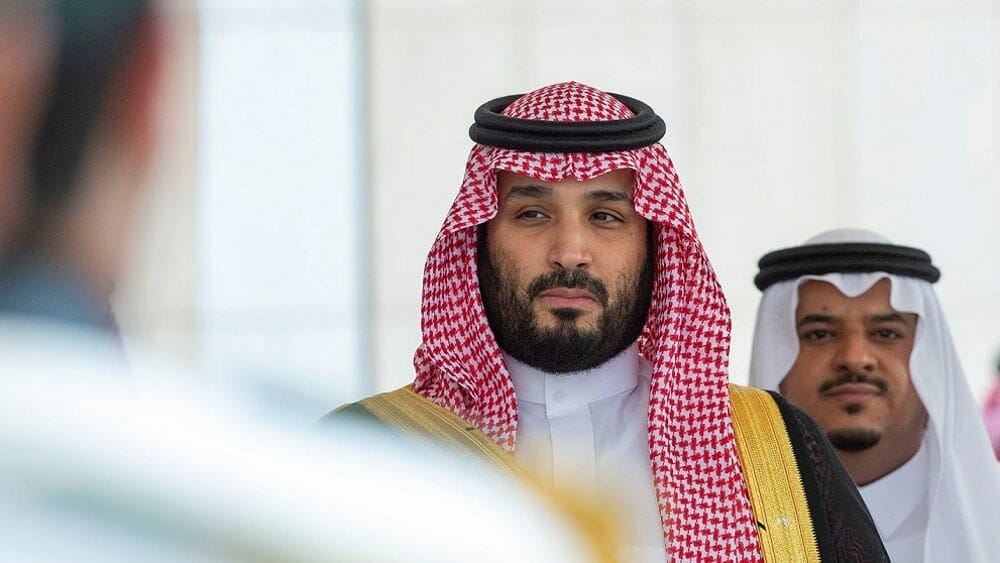
Saudi King Salman’s appointment of his son, Mohammed bin Salman, as crown prince at the expense of his nephew, Mohammed bin Nayef, could prove to be a mixed blessing for a kingdom in transition that faces significant international challenges of its own making.
The Gulf Crisis – Grappling For a Face Saving Solution
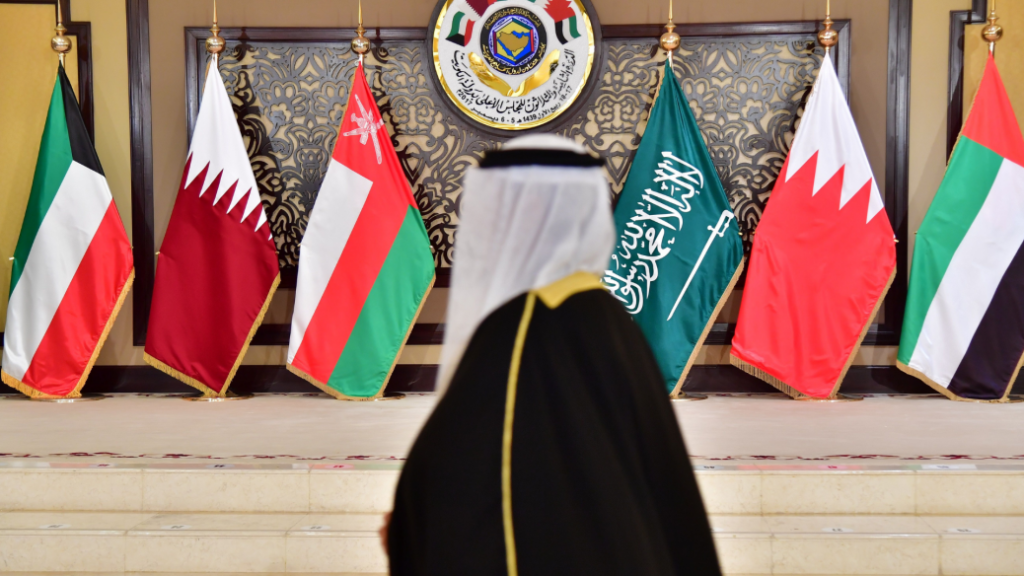
A two-week old conflict in the Gulf goes to the core of key issues in international relations that hamper the fight against political violence and govern diplomatic relations: the absence of an agreed definition of terrorism that allows autocrats to abuse efforts to counter extremism by repressing non-violent critics and the ability of small states to chart their own course and punch above their weight.
Saudi-UAE Campaign to Isolate Qatar & Iran Puts Muslim Nations in a Bind
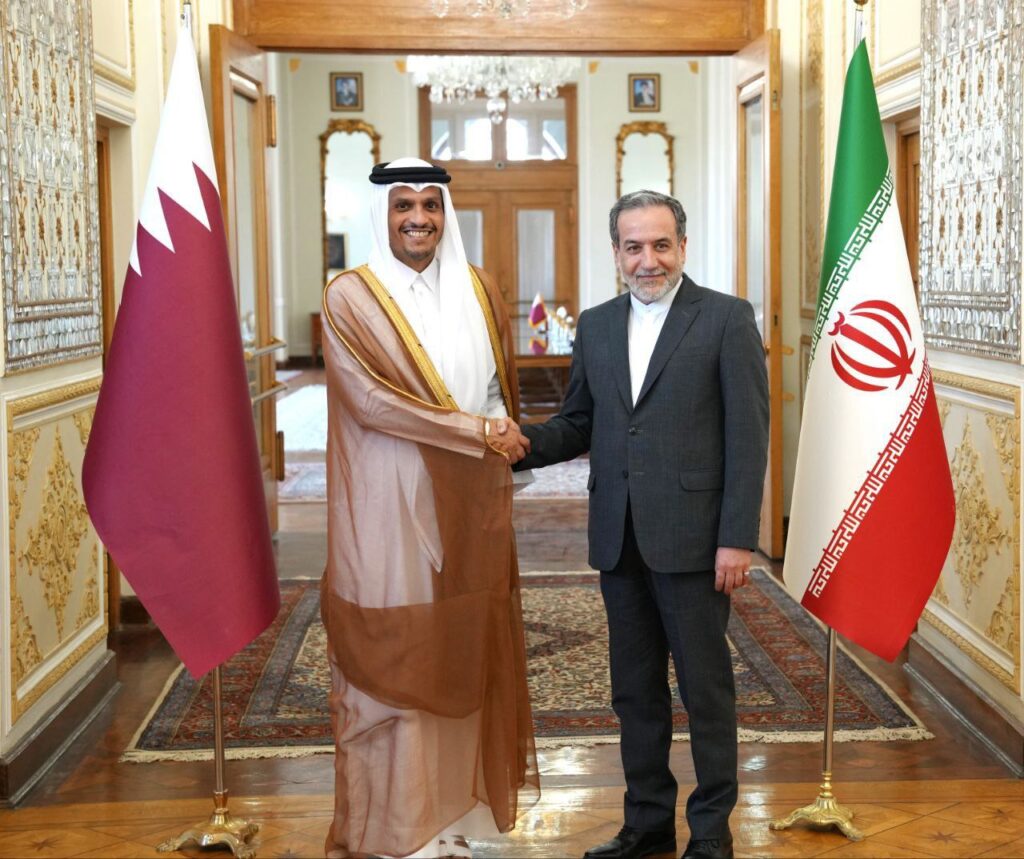
A Saudi and UAE-driven campaign to isolate Qatar and by extension Iran puts non-Muslim Arab states in a bind and tests the degree of Saudi soft power garnered in decades of massive spending on the propagation of anti-Iranian, anti-Shiite Sunni Muslim ultra-conservatism.
Crisis In The Gulf – Escalation or Negotiation?

The stakes for both sides of the Gulf divide could not be higher. Saudi Arabia and the UAE cannot afford to fail in their effort to force Qatar’s hand after leading several Arab and non-Arab states in a rupture of diplomatic relations and declaring an economic boycott that also targets Qatar’s food supplies.
Post Trump Policy in Gulf States
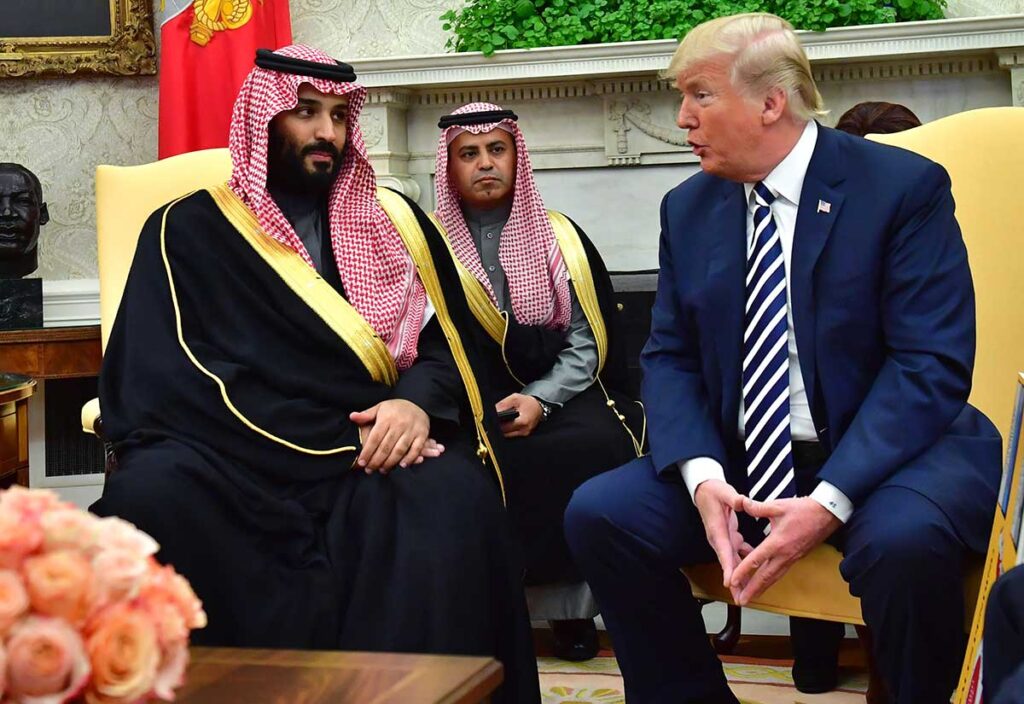
Cracks have appeared in a Saudi-led, US-backed anti-terrorist political and military alliance days after US President Donald J. Trump ended a historic visit to Saudi Arabia. The cracks stem from Qatar’s long-standing fundamental policy differences with Saudi Arabia and the United Arab Emirates about Iran and the role of political Islam.
Gulf Crisis – Southeast Asia Has Seen It All Before
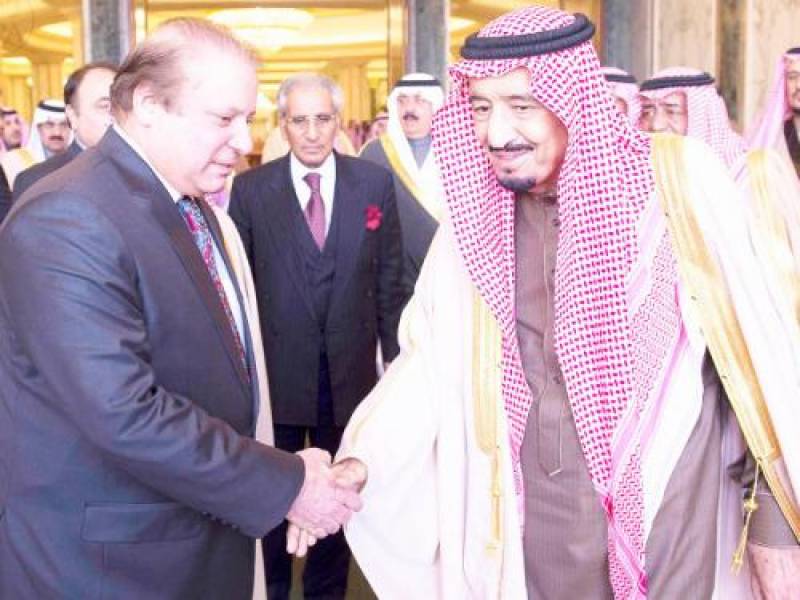
To Saudi Arabia and the United Arab Emirates, the 2011 Arab popular revolts that toppled autocratic leaders in four countries and sparked the rise of Islamist forces posed a mortal threat. In response, the two countries launched a counterrevolution that six years later continues to leave a trail of brutal repression at home and spilt blood elsewhere in the Middle East and North Africa.
Gulf Crisis – Surrender or Dig In For The Long Haul
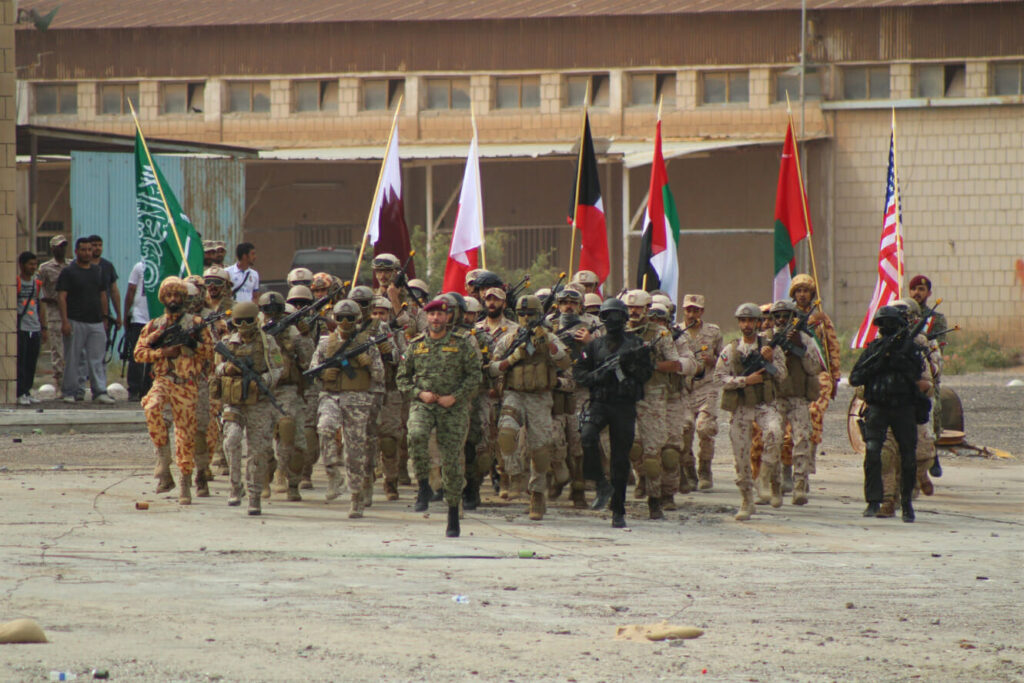
The stakes are far higher than when Saudi Arabia, the UAE and Bahrain withdrew their ambassadors from Doha in 2014 for a period of ten months, but failed to force Qatar to change its policies. Saudi Arabia and the UAE by now also breaking off economic ties are also seeking to disrupt Qatar’s air, sea and land links and complicate its exports and imports, and particularly its food supplies.