
Haqqani Network Technology Proliferation: The Asymmetric Matrix – Part 6

How the Haqqani Network proliferates technology and weapons to ISKP, TTP and BLA cells, and the distribution routes it uses.
Hezbollah Logistics Pipeline: The HTS Transnational Symbiosis – Part 4

The covert logistics corridor, financial clearing and technology proliferation network linking HTS and Hezbollah.
Domestic Counter-Terrorism Profiling: Assessing Western Intelligence Gaps – Part 3

Collection gaps in Western domestic counter-terrorism profiling, and the vulnerabilities they leave open to asymmetric attack.
Transnational Funding Pipelines: Tracking TTP Diaspora Networks – Part 2
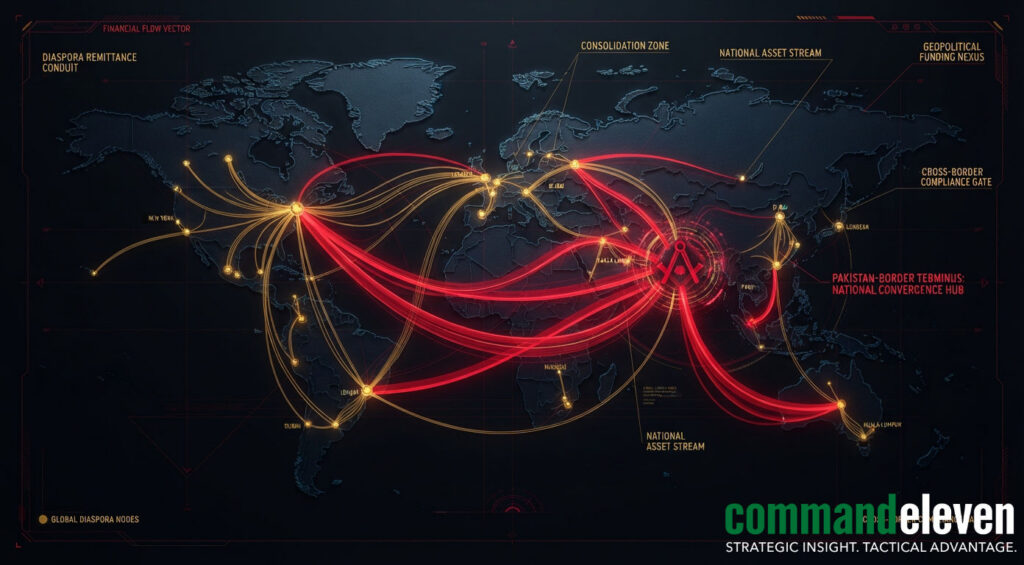
The transnational funding pipelines, DeFi mechanics and diaspora radicalization pathways that sustain TTP border operations.
Strategic Preface: The 2026 Operational Realignment

Strategic preface to the 2026 Global Counter-Terrorism Assessment: the operational shift from state threats to asymmetric non-state actors.
Asymmetric ISR Typologies: Target Vulnerability Modeling – Annex C
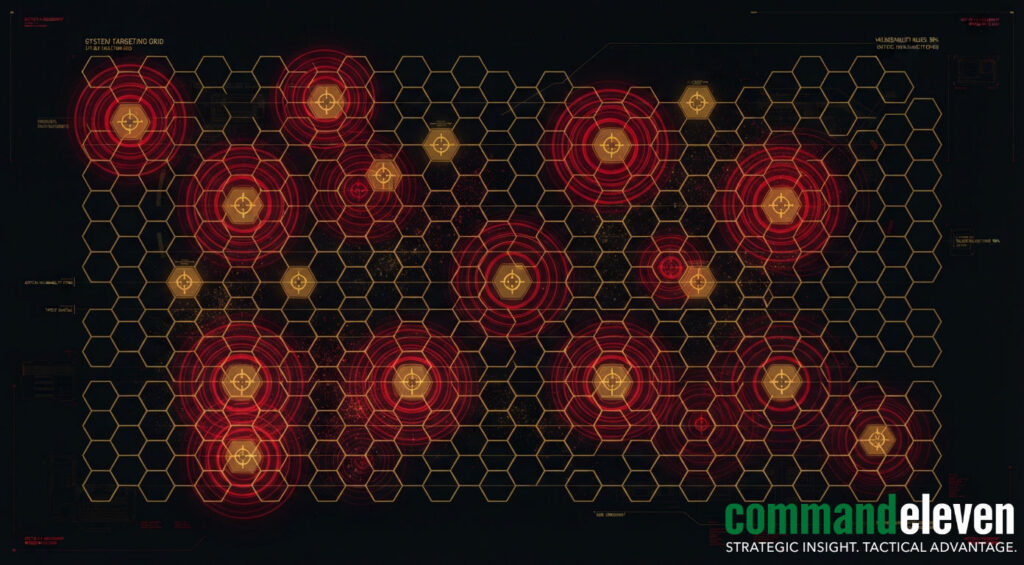
Non-state ISR typologies, commercial drone use, and how attackers model the vulnerability of Western soft targets.
ISIS External Operations: The Expansion of the ISKP Nexus – Annex A
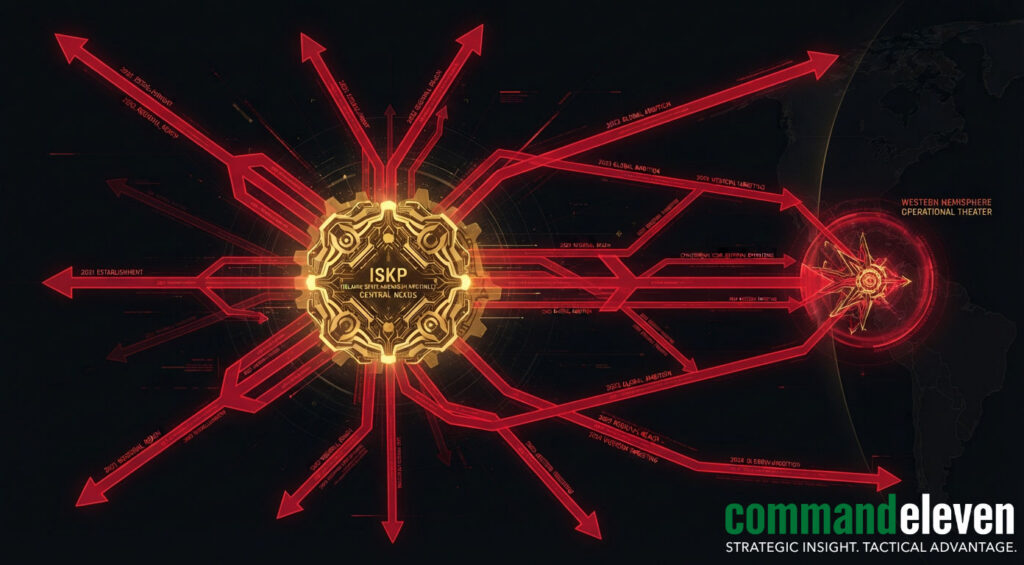
How ISKP mutated into the central hub for ISIS external operations, and its targeting of the Western Hemisphere.
The Authoritarian Surveillance Model: Analyzing Damascus’ Safe City – Part 5
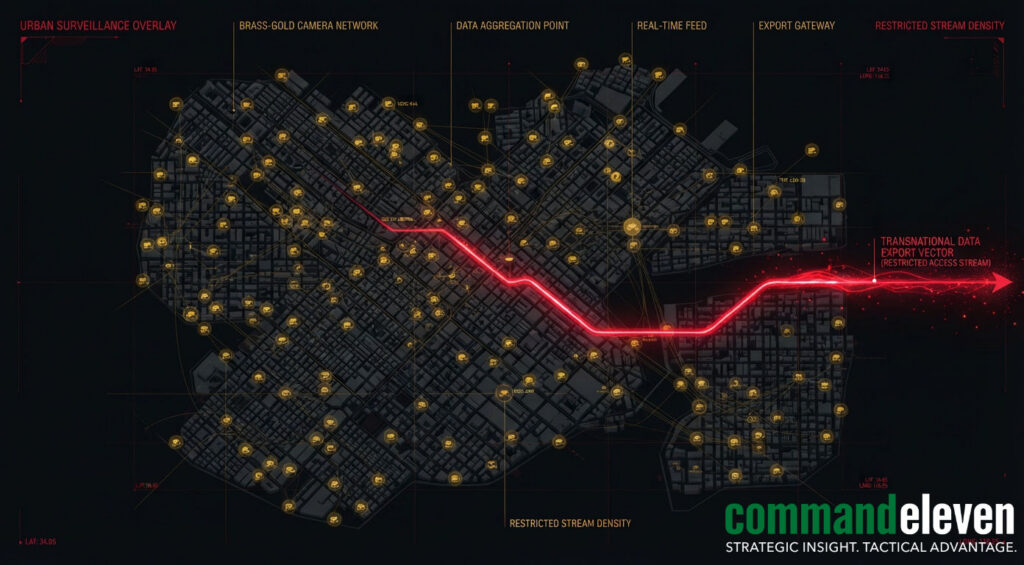
The technical integration, biometric tracking and China-Russia axis behind Damascus’s Safe City surveillance system.
TTP Command Structure: Analyzing the JuA Re-Integration Matrix – Part 1

The restructured TTP command, the role of the Rahbari Shura, and the tactical impact of Jamaat-ul-Ahrar’s re-integration.
Virtual Radicalization Process: Early Detection Indicators – Annex B

How virtual radicalization works inside Western diaspora communities, and the early behavioral indicators that flag it.